Zelenskyy Plans Canadian Visit Amid Renewed Diplomatic Push on Ukraine Conflict
Ukrainian president expected to make multiple stops as Canada hosts summit on abducted children
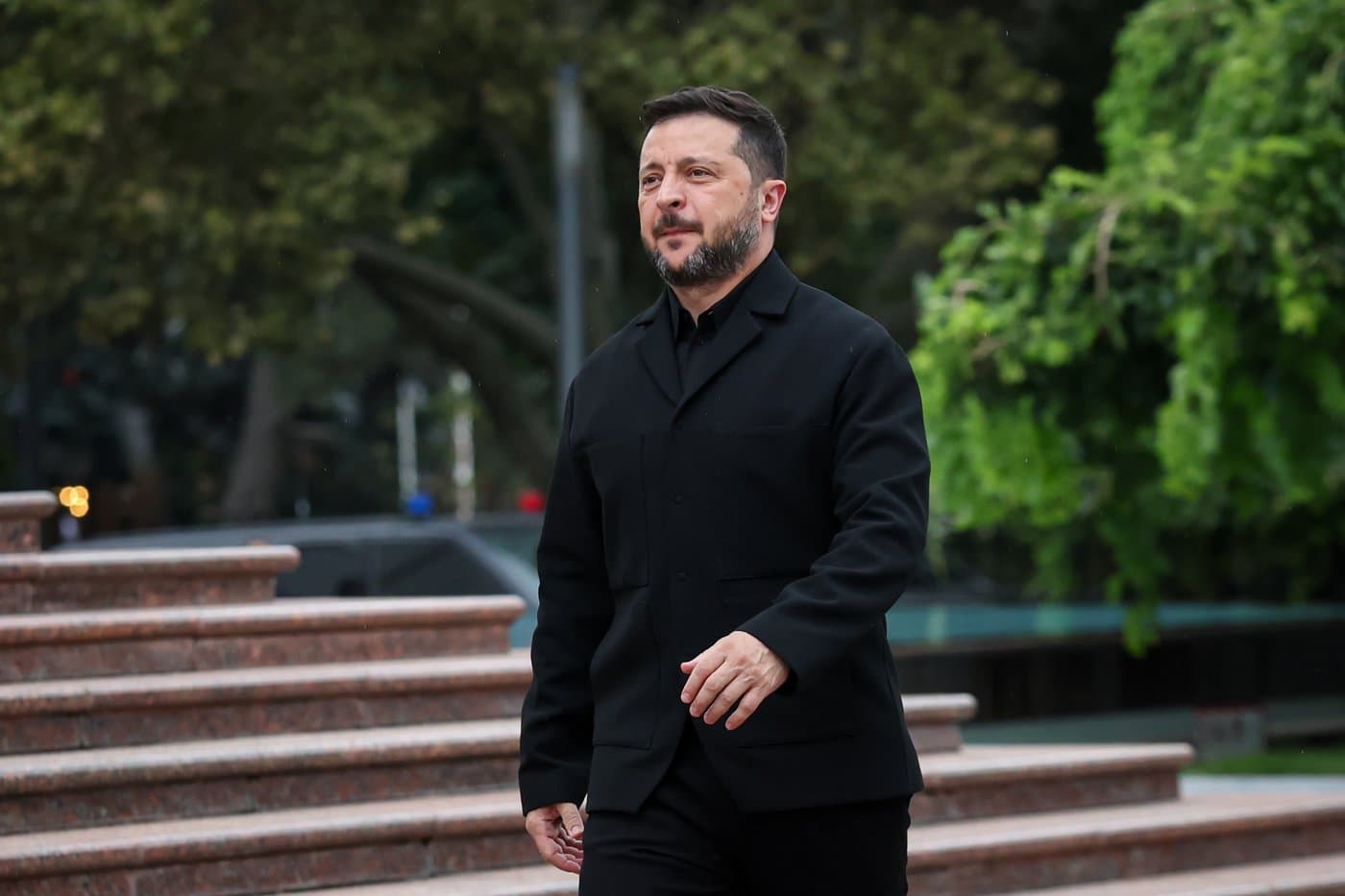
Ukrainian President Volodymyr Zelenskyy is preparing to visit Canada as soon as next week, according to multiple sources familiar with the planning. The visit's timing remains fluid, with at least one source attributing the uncertainty to scheduling considerations around the funeral of Norway’s King Harald, set for September 9 in Oslo. Both the Ukrainian and Canadian governments typically refrain from confirming Zelenskyy’s travel plans until shortly before departure, citing security protocols and evolving diplomatic priorities.
Zelenskyy’s itinerary may include stops in more than one Canadian province, though the exact locations have not been specified. The Prime Minister's Office declined to comment on the expected visit. Two independent sources confirmed that the trip could involve two separate stops, following a pattern of multi-city diplomacy seen in previous international visits by the Ukrainian leader.
This visit would mark Zelenskyy’s first trip to Canada since December of the previous year, when he met with Prime Minister Mark Carney in Halifax. That visit preceded his travel to the United States for talks with President Donald Trump, which were focused on finding a resolution to the ongoing Russia-Ukraine conflict. Prime Minister Carney had earlier visited Kyiv a year ago, underlining the ongoing high-level engagement between the two governments.
Canada has positioned Ukraine as a central priority in its foreign policy, a stance supported by Members of Parliament across party lines. In addition to military and humanitarian assistance, Canada has recently joined an agreement aimed at learning from Ukrainian drone manufacturers, reflecting the evolving nature of warfare and Canada’s interest in unmanned aerial systems.
Foreign Affairs Minister Anita Anand is preparing to host a summit in Toronto later this month, with a focus on the return of Ukrainian children who have been abducted by Russian officials since the start of the conflict. The summit signals an effort to address humanitarian concerns that have emerged during the course of the war, including the fate of minors separated from their families.
The anticipated visit comes as diplomatic efforts surrounding the Russia-Ukraine war have shown signs of renewed activity. Russian President Vladimir Putin stated recently that several countries, including the United States and China, have expressed a willingness to support a peace settlement. "Ultimately, however, the problem must be resolved by the countries involved in the conflict — Russia and Ukraine," Putin said. "We are grateful to everyone attempting to contribute to a settlement. Is there a chance? In my view, yes, there is."
On the Ukrainian side, Foreign Minister Andrii Sybiha conveyed cautious optimism, telling reporters in Kyiv, "I believe that we will now have a new dynamic in the peace efforts, with the return of this active phase of political and diplomatic engagement in many capitals around the world." Sybiha declined to elaborate on specific diplomatic initiatives, urging observers to "follow the news."
The context for Zelenskyy’s visit includes a recent incident reported by German authorities, in which Russia attempted an attack at an airport last month using a drone loaded with explosives. This event underscores continued hostilities and the evolving methods of warfare, including the increased use of drones by both sides.
The anticipated visit also follows 4½ years of conflict, which has been described as Europe’s deadliest since the Second World War. Both sides have periodically participated in peace talks, with the most recent U.S.-mediated negotiations taking place in February. However, tangible progress toward a comprehensive settlement has remained elusive.
Analysts have noted that the scheduling of Zelenskyy’s visit to Canada may reflect broader international efforts to reinvigorate the diplomatic process. The planned summit on abducted children in Toronto is one such example of the targeted, issue-specific diplomacy that has characterized recent months.
Canadian-Ukrainian cooperation has extended into the defence industry, particularly in the area of drone technology. The agreement to learn from Ukrainian drone producers reflects Canada’s dual interest in supporting Ukraine’s defence capabilities while updating its own technological capacities in emerging domains of warfare.
The upcoming visit is situated within a broader context of international engagement, as a number of global powers consider renewed peace initiatives. Putin’s recent remarks highlight a recognition of international efforts, though he maintains that the ultimate resolution must be reached directly between Russia and Ukraine.
In Canada, the ongoing conflict and its humanitarian consequences, such as the abduction of children, have maintained a high profile in both political discourse and public policy. The cross-party consensus in Parliament has led to Canada maintaining a strong position in support of Ukraine, both in terms of diplomatic engagement and practical assistance.
As Zelenskyy’s visit approaches, both governments are expected to continue their practice of withholding official confirmation until closer to the departure date, in line with security considerations and the fluid nature of diplomatic scheduling. The forthcoming meetings and the Toronto summit are anticipated to shape the next phase of Canada-Ukraine relations, with potential implications for broader international efforts to address the conflict.