Yukon Rivers Experience Record High Water Levels, Prompting Safety Warnings for Paddlers
Authorities and local operators urge caution as recent rainfall and snowmelt accelerate river flow and increase hazards
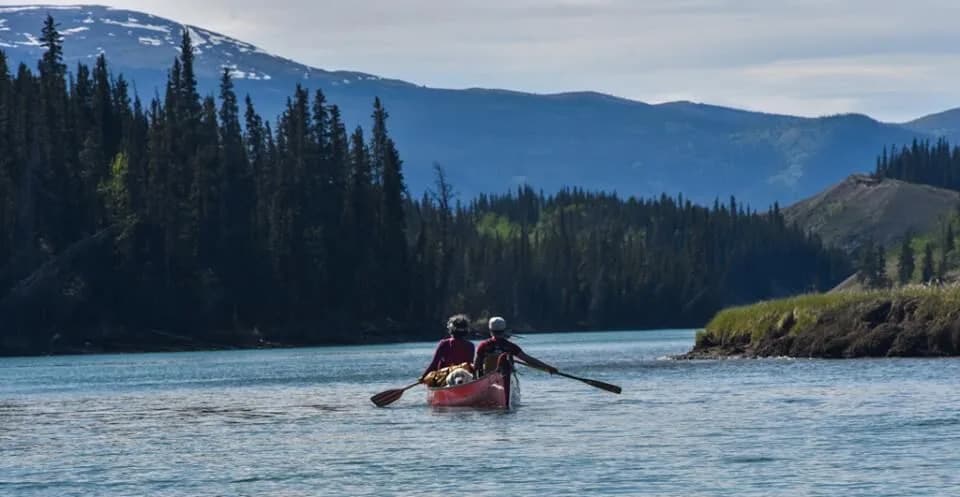
Recent weeks in Yukon have been marked by increased rainfall and continued snow at higher elevations, resulting in record-high July water levels on several rivers, according to Yukon government hydrologist Anthony Bier. One area of particular concern is the Big Salmon River near Carmacks, which has reached a record high for this time of year. These elevated water levels are contributing to faster-moving currents and a series of safety advisories for paddlers across the territory.
Constable Paul Miller, a search and rescue manager with the Yukon RCMP, has warned that high water levels bring additional hazards, such as increased debris and rapidly changing conditions, even on rivers that are typically considered calm. The RCMP has reported involvement in several search and rescue incidents in recent weeks throughout the territory.
One recent case involved a report received last month by Whitehorse RCMP concerning a capsized canoe on the Teslin River. The found items included camping gear, an inReach satellite communication device, and a lifejacket, but the paddler associated with the canoe has not been located. The incident highlights the risks faced by paddlers, particularly under current water conditions.
Scott McDougall, owner and operator of the river and lake tour and rental business Kanoe People, has also advised caution. He emphasized the importance of paddlers being honest with themselves about their experience and skill levels when considering river trips. "This isn't a river to lie about your experience and skill," McDougall stated, underscoring that conditions can be more demanding than paddlers may anticipate.
McDougall noted that some paddlers have adjusted their plans by choosing waterways better suited to their abilities, though this is not always the case. He explained that, as a business operator, he cannot always accurately assess a customer's ability. "I don't have a crystal ball that knows their ability … You always hope they have the qualities that they're saying they do," he said.
In addition to the changes in river conditions, McDougall pointed out that some campsites near Carmacks, which are traditionally popular with larger paddling groups, are now submerged. This has reduced the number of available camping spots, particularly affecting groups of six or more paddlers who typically depend on specific locations for overnight stays. "So it concentrates the choices of camping availability," McDougall said, referring to the increased demand for the remaining sites.
Despite the risks, McDougall expressed that he does not want to discourage people from canoeing, describing it as "very Canadiana and very Yukon." However, he also stated, "there's nothing wrong with changing your mind and doing something different and being safe," encouraging prospective paddlers to consider safety as a priority.
The present situation is rooted in the territory's recent weather patterns, with above-average precipitation and ongoing snowmelt contributing to river swelling. High river levels are associated with a set of compounded hazards, including swift currents, unpredictable water conditions, and the accumulation of debris, which can obstruct navigation and pose risks to even experienced paddlers.
From the perspective of law enforcement and rescue personnel, the escalation in water levels directly correlates with increased search and rescue activity. The RCMP's recent involvement in multiple incidents underscores the practical challenges and resource demands caused by heightened river hazards.
Local business operators have also been impacted, with changes in paddler behaviour and route selection affecting tour and rental operations. The reduction of viable campsites due to flooding has logistical implications for trip planning and group management along popular paddling routes.
The situation in Yukon reflects broader challenges faced in northern regions where hydrological conditions can shift rapidly due to variable weather and snowpack dynamics. For both recreational users and those responsible for safety and rescue, such changes necessitate ongoing assessments and adaptive strategies.
Authorities recommend that paddlers closely monitor advisories, realistically assess their skill levels, and remain flexible with trip plans in response to evolving river conditions. The goal, according to both officials and local operators, is to balance the enjoyment of Yukon's waterways with the imperative of safety amid unusual environmental circumstances.