Yukon Government Invites First Nations to Collaborate on Mining Law Overhaul
Territorial leaders launch new consultation process as decades-old mining acts face replacement
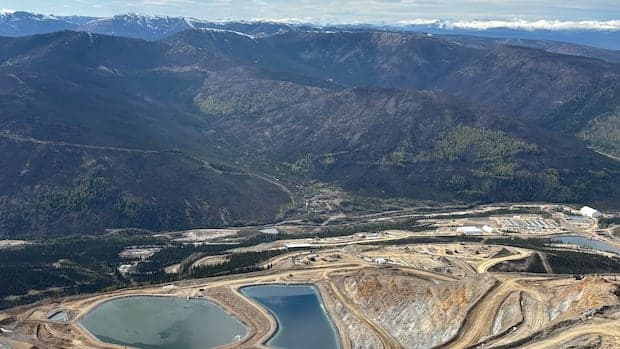
The Yukon government has announced a renewed effort to rewrite the territory’s mining laws, inviting First Nations leaders to participate in a collaborative legislative process. This initiative follows years of calls from Indigenous governments for an overhaul of current mining legislation, which has remained largely unchanged since the era of the gold rush.
The existing Quartz Mining Act and Placer Act, which govern mining activities in Yukon, date back over a century and include royalty rules that some stakeholders have described as outdated. The territory’s mining laws have been under formal review since 2021. Prior to the most recent territorial election, the Liberal government had developed a draft framework for new minerals legislation. However, that draft received mixed responses, particularly from Yukon First Nations leaders, and the Liberals were voted out of office in November of the previous year.
The Yukon Party government, now in power, has stated its intention to continue the review process, signalling a willingness to revisit the contents of the existing draft framework. Ted Laking, minister of energy, mines, and resources, indicated that there was no consensus on the previous draft and emphasized the need for renewed, respectful discussions among all parties. "There was not agreement on that draft framework, and so what we need to do is get into a room and have respectful discussions on what new legislation could look like," Laking said. He added that it was too early to determine which elements of the prior draft would be retained or discarded in the new process.
To facilitate the legislative overhaul, the government has announced the formation of two new working groups. The first, termed a “collaborative development group,” will consist of officials from both territorial and First Nations governments. This group will also engage with representatives from the mining industry and technical experts to inform the development of new legislation. The second, an “oversight group,” will be composed of the Chiefs Committee on Mining and the territory's mines minister. This oversight body will receive recommendations from the development group and provide its own input on the legislative process.
Minister Laking acknowledged that engagement with First Nations had lapsed at the end of the previous government’s mandate. He noted that the relationship between the territorial government and First Nations had deteriorated, necessitating a fresh approach. The newly constituted working groups are intended to re-establish and strengthen this relationship. According to Laking, initial meetings to launch the process are still being scheduled, with expectations that they will take place during the summer.
The response from First Nations leadership has been cautiously optimistic. In a written statement, Tr'ondëk Hwëch'in Hähkè Darren Taylor noted that Yukon First Nations have advocated for new minerals legislation for more than twenty years. Taylor expressed hope that the new process will enable constructive dialogue. "While this marks a positive step forward, we recognize that there is much important work ahead and we look forward to beginning in a good way," Taylor stated.
The review and revision of Yukon’s mining laws occur within the context of increasing mineral prices and ongoing debates over royalty structures. Some mining operators have publicly criticized the territory's current royalty rates as inadequate given the recent surge in gold prices. The government’s stated aim is to update the legal and regulatory framework to better reflect contemporary economic, environmental, and social considerations, as well as to address longstanding concerns raised by Indigenous communities regarding land stewardship and resource management.
The proposed collaborative process mirrors broader trends across Canada, where governments are increasingly seeking to involve Indigenous groups in resource governance and legislative reform. The outcome of Yukon’s legislative review may serve as a model for similar initiatives in other jurisdictions, particularly as legal, environmental, and economic pressures prompt reassessment of resource extraction policies.
While the Yukon government has outlined the initial structure of the consultation process, specific details regarding the composition of the working groups, the timeline for drafting legislation, and the mechanisms for resolving disagreements remain to be determined. The government has indicated that these elements will be developed in conjunction with First Nations and other stakeholders as the process unfolds.
The stakes in the legislative review are significant for multiple parties. For First Nations, the process represents an opportunity to shape laws that affect their lands and communities. For the mining industry, the review introduces the prospect of regulatory changes that could affect project approvals, operational costs, and investment decisions. For the territorial government, the process is a test of its ability to balance economic development with reconciliation commitments and environmental responsibilities.
As the Yukon government and First Nations prepare to launch the consultation process, the territory’s mining sector and broader public are expected to follow developments closely. The coming months will likely determine both the tone and substance of the new legislation, with potential implications for the future of resource management in the territory.