Wildfires Force Evacuations in Northern Manitoba Communities
Lynn Lake, Marcel Colomb First Nation, and O-Pipon-Na-Piwin Cree Nation face renewed displacement amid growing fire threat
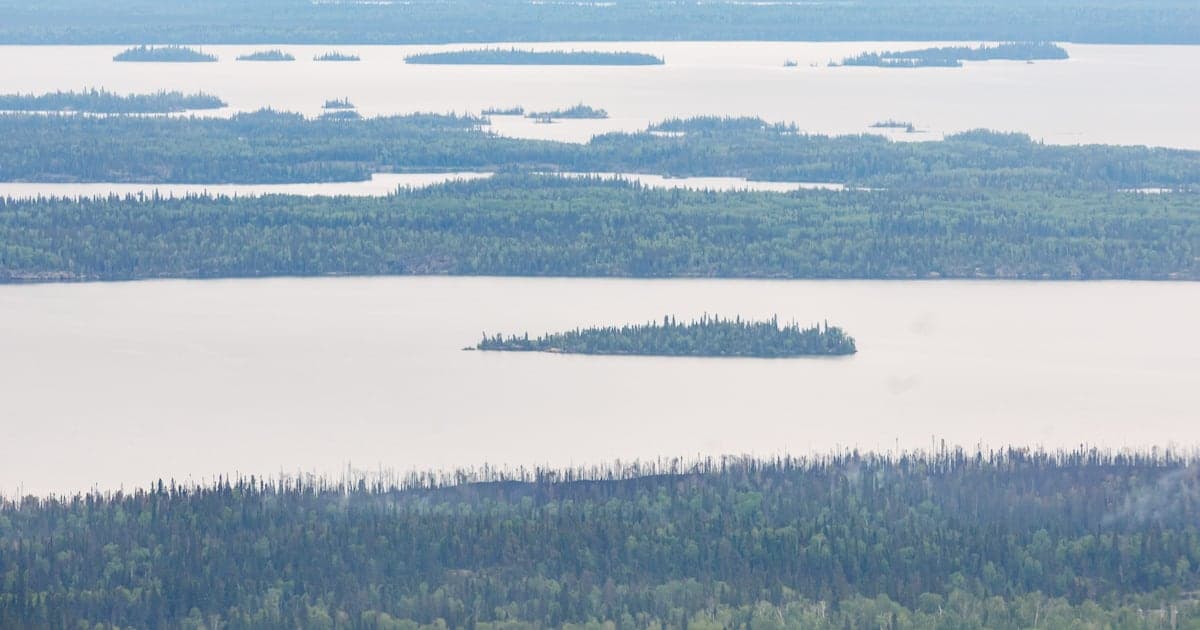
Hundreds of residents in northern Manitoba have been forced to evacuate as wildfires continue to threaten communities in the region. The most significant impact has been felt in Lynn Lake, Marcel Colomb First Nation, and O-Pipon-Na-Piwin Cree Nation, where mandatory evacuation orders and states of emergency have been issued as fires advance and access routes are cut off.
The town of Lynn Lake, located more than 1,000 kilometres from Winnipeg and home to approximately 500 to 600 residents, began evacuation flights on Saturday. By Sunday, officials confirmed that every scheduled flight had departed at full capacity, ensuring that the majority of residents had safely evacuated. The evacuation order, posted on social media Saturday morning, cited the rapidly advancing wildfire and the imminent threat it posed to the community as the basis for the mandatory departure.
The fire threatening Lynn Lake was first detected on Thursday. Manitoba's provincial fire map recorded the fire at 5,173 hectares (more than 50 square kilometres) as of Saturday, a figure that more than tripled from the previous day. Saturday night updates from the town indicated the fire was burning out of control just over 12 kilometres south of Lynn Lake. Firefighting efforts have faced significant challenges due to warm temperatures, low humidity, shifting winds, and heavy smoke. Helicopter bucket drops were attempted but had to be halted as visibility worsened due to smoke. Lightning and thunder further complicated aerial operations, and additional firefighting equipment and personnel have been mobilized to the area.
Road access to Lynn Lake has been closed, with the RCMP advising that all routes, including Highway 391, are inaccessible. The highway, a critical link for the town and nearby communities, has historical significance as it was renamed Tom Cochrane's Life is a Highway in 2016 in honour of the singer who hails from Lynn Lake.
This is not the first time Lynn Lake residents have faced wildfire displacement. The community was twice evacuated during the spring and summer of the previous year due to similar threats. Mayor Brandon Dulewich acknowledged the ongoing challenges but expressed increased optimism on Sunday, citing the arrival of additional support crews and equipment, including assistance from Manitoba Wildfire Service and local companies such as Alamos Gold, which provided resources for fire protection around the town. Dulewich highlighted the influx of personnel and resources as critical in the effort to keep the fire at bay, though he noted that the situation remained precarious.
The wildfire's impact has not been limited to Lynn Lake. Nearby Marcel Colomb First Nation, also known as Black Sturgeon Falls and located about 20 to 25 kilometres east of Lynn Lake, has also issued a mandatory evacuation order. Approximately 100 to 110 members of Marcel Colomb First Nation reside on reserve. The community declared a state of emergency on Saturday, with emergency management officials noting the loss of access to essential goods and services due to Lynn Lake's evacuation. Chief Delhia Hart-Francois stated that as of Sunday afternoon, all but four residents had left the reserve, and road closures further complicated the evacuation process.
Manitoba Keewatinowi Okimakanak (MKO), an Indigenous advocacy organization, emphasized the dependence of Marcel Colomb First Nation on Lynn Lake for supplies and services. The group described the evacuation as necessary for community safety, noting that with Lynn Lake depopulated, it was no longer feasible for Marcel Colomb residents to remain. Lynn Lake's mayor echoed this assessment, stating that both communities function as a single entity with shared infrastructure, including grocery stores and fuel facilities.
Further east, O-Pipon-Na-Piwin Cree Nation, located about 100 kilometres from Marcel Colomb, is also experiencing the effects of wildfire. The First Nation declared a state of emergency and began evacuating high-priority residents, including those with medical conditions and respiratory issues. Chief Shirley Ducharme reported that approximately 130 vulnerable individuals would be flown to Winnipeg over Sunday and Monday, with the community prioritizing evacuation before weather conditions potentially prevent aircraft from landing due to heavy smoke. The main fire threatening O-Pipon-Na-Piwin Cree Nation was reported at 2,900 hectares as of Saturday, with several smaller fires active in the area. Highway 493, the only road access to the First Nation, remained closed as of Sunday, further complicating evacuation and supply efforts.
Water bombers have been deployed to fight the blaze southwest of O-Pipon-Na-Piwin. The First Nation, which has over 1,100 members living on reserve, faced a similar situation last year when half the community was evacuated due to wildfires and a prolonged power outage caused by damaged transmission lines. Chief Ducharme noted that resource limitations last year delayed firefighting efforts, but expressed hope that the response would be more effective this season.
Residents and leaders in the affected communities have drawn attention to the recurring nature of wildfire evacuations in northern Manitoba. Both Lynn Lake and Marcel Colomb First Nation were forced to evacuate during the previous summer. Belinda Merasty, part of Marcel Colomb’s emergency management team, addressed residents in a social media video, expressing regret that the communities were facing evacuation again, but noted that more residents were complying with evacuation orders this year, unlike last year when many chose to stay behind despite the risks.
Manitoba's provincial government reported that over a dozen firefighting personnel were stationed in Lynn Lake, with reinforcements from other northern communities such as The Pas, Lac Brochet, and Grand Rapids expected to arrive. Emergency personnel have also assisted in the evacuation of Marcel Colomb First Nation residents. The ongoing situation has placed significant logistical and emotional strain on the affected populations, as repeated evacuations disrupt community life, access to essential services, and local economies.
Officials and community leaders have underscored the importance of timely evacuations and coordinated emergency responses, citing the increased risks to health and safety posed by advancing wildfires, smoke, and restricted access routes. The situation in northern Manitoba reflects broader challenges faced by remote communities across Canada as wildfire seasons become more severe and recurrent, raising questions about long-term preparedness, resource allocation, and the resilience of critical infrastructure in the face of climate-driven hazards.