Whale Sightings Surge in B.C. Salish Sea Amid Conservation Gains and Food Abundance
Rise in marine mammals attributed to ecosystem recovery, but grey whale deaths raise concerns
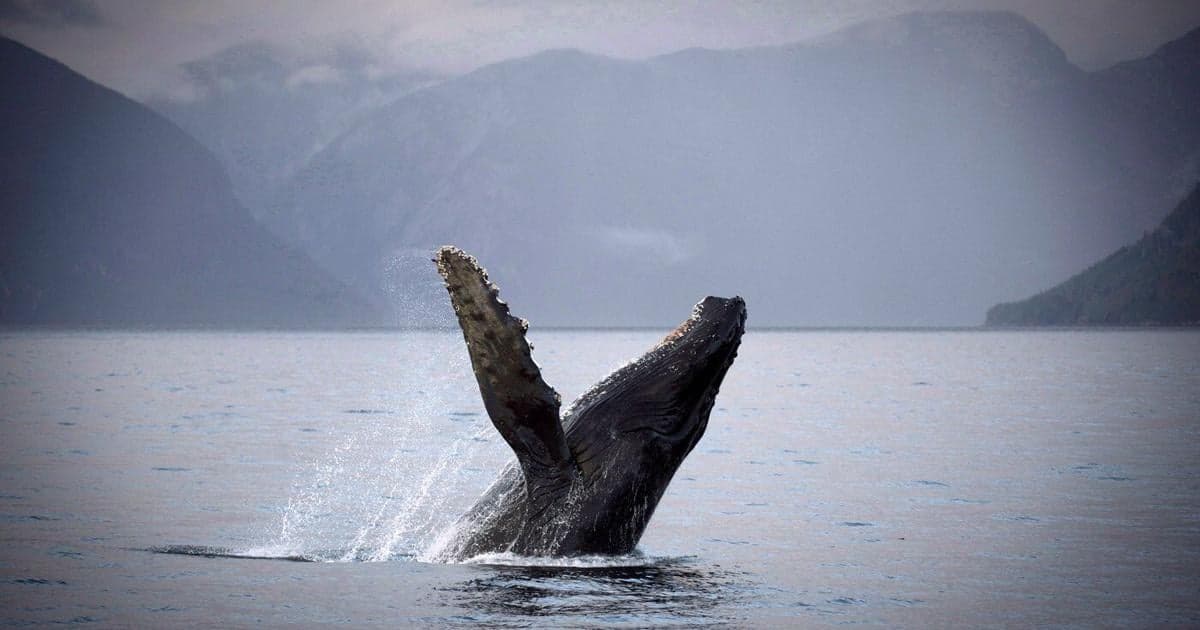
The waters of British Columbia’s Salish Sea have become a prominent location for whale sightings, with recent increases in orca, humpback, and other cetacean populations drawing attention from both scientists and the public. Marine biologist Julia Adelsheim of Wild Whales Vancouver reports that these trends are consistent with scientific studies indicating population growth, particularly along the province’s southern coast.
A study published in June by University of British Columbia researchers found that transient killer whales are now spending more than two-thirds of the year in the Salish Sea. Another research effort has shown that humpback whales migrating from Hawaii are once again using these waters as a feeding ground. The return and growth of these populations have generated widespread interest, with numerous social media posts and videos capturing whales near major Vancouver landmarks.
Adelsheim notes that public awareness of whale activity is amplified by the influence of whale-spotting groups on social media platforms. When sightings are reported, such as whales heading toward the Lions Gate Bridge, large numbers of residents and visitors gather in places like Stanley Park to observe the animals as they pass beneath the bridge. While increased visibility is partly due to this rapid information sharing, Adelsheim emphasizes that there are genuinely more whales in the area at this time of year, with seasonal peaks during the summer months.
The seasonal abundance is linked to ecological factors. Increased sunlight in summer fuels the growth of algae and phytoplankton at the base of the marine food web, which supports a larger population of fish. This, in turn, attracts seals, sea lions, and porpoises, eventually drawing in their predators, including orcas and other large marine mammals. Adelsheim describes this seasonal productivity as a key driver of the current whale aggregation.
UBC’s research highlights the significance of the Salish Sea for transient killer whales, which are supported by robust populations of prey such as seals. Adelsheim attributes this food availability to the end of seal culling practices and improved management of marine resources. She also points to the cessation of commercial whaling in Canada and international bans as pivotal in the recovery of humpback whale populations.
Historical accounts indicate that intensive commercial whaling between 1907 and 1910 nearly eliminated the humpbacks that once frequented B.C.’s summer waters. The resurgence began in the late 1990s when a female humpback, nicknamed Big Mama, returned to feed in the area. Adelsheim credits Big Mama with re-establishing the region as a feeding ground for her species, noting that she has brought eight calves to the Salish Sea. Big Mama was observed with a new calf last year and has been sighted multiple times between Vancouver and Victoria, indicating her continued presence and reproductive success.
The situation is less favourable for grey whales, which migrate past Vancouver en route to Alaskan feeding grounds. One grey whale was visible from Vancouver’s shoreline in April and May, and Adelsheim suggests its prolonged stop may have been driven by hunger. She connects this behaviour to concerns about the overall health of grey whale populations.
By the second week of June, ten grey whale carcasses had been found along the B.C. coast. Earlier in the year, the Department of Fisheries projected further increases in whale mortality due to reduced food supplies in the northern feeding areas during the previous summer. Of the deceased whales, at least two were described as being in “extremely emaciated” condition.
Grey whales depend on building substantial fat reserves in Alaska each summer to fuel their round-trip migration to breeding grounds off Mexico and back. Adelsheim notes that if they do not accumulate enough energy, their survival is at risk during the lengthy migration. Marine biologists attribute the declining food supply for grey whales to changes in ocean conditions, with research pointing to climate change as a contributing factor affecting prey abundance and distribution.
The growing presence of whales in proximity to human activities has prompted safety concerns. A recent widely viewed video depicted a person using a Jet Ski to launch off a grey whale that was feeding near Vancouver, highlighting risks to both animals and people. Adelsheim stresses the necessity of adhering to regulations designed to protect marine mammals, including government guidelines that mandate a minimum approach distance of 1,000 metres for endangered southern resident killer whales.
Overall, the resurgence of whales in B.C. waters is attributed to a combination of conservation initiatives, ecosystem recovery, and natural seasonal cycles. While the public response to increased sightings is generally positive, experts underline the importance of collaborative efforts to maintain safe conditions for both marine life and observers. The contrasting fortunes of different whale species in the region underscore the ongoing challenges posed by ecological change and the need for continued scientific monitoring and adaptive management.