Tesla Driver Fined After Police Observe Apparent Sleeping at Wheel in B.C.
Incident prompts renewed warnings on self-driving technology and road safety
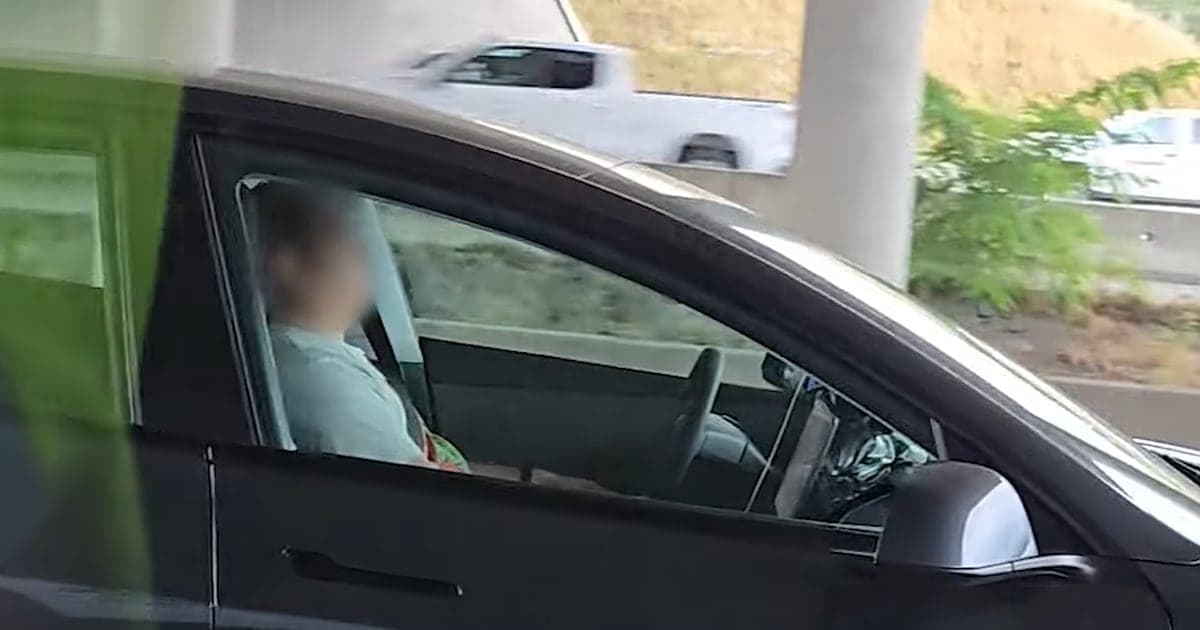
On the morning of August 27, 2026, a British Columbia Highway Patrol officer encountered a Tesla vehicle on Highway 1 near 248 Street in Langley during rush hour. The incident occurred shortly before 7:45 a.m. while the officer was en route to a separate priority call. According to statements from both the RCMP and BC Highway Patrol, the officer observed the Tesla's driver with his eyes closed and both hands off the steering wheel.
Police say the officer was compelled to divert from the initial priority assignment in order to address what was assessed as a dangerous situation involving possible driver inattention or sleep. Video footage of the event, recorded from inside the police vehicle and via the officer's body-worn camera, appeared to show the driver asleep behind the wheel. Despite this, the driver disputed the claim, asserting that he had not been asleep.
Sergeant Michael McLaughlin of the BC Highway Patrol emphasized that regardless of the perceived reliability of a vehicle’s technology, sleeping while operating a vehicle is illegal under provincial law. "No matter what faith you have in your vehicle’s technology, sleeping while driving is illegal, and sleepy drivers are starting to divert police from other calls that they would rather be attending," McLaughlin stated. He further explained that such incidents force police to reallocate resources away from other priority matters, impacting the ability to respond to calls where they may be more urgently needed.
As a result of the encounter, the Tesla driver was issued a fine of $368 under section 144(1)(a) of the B.C. Motor Vehicle Act for driving without due care and attention. An additional $81 ticket was issued for failing to produce a driver’s licence, as required by section 33(1) of the same Act. The police noted that while the officer intervened with the Tesla driver, other officers were able to respond to the original priority call, which involved a man with an extensive police history walking along the highway.
Police say such situations present a significant risk to public safety. "We can’t ignore drivers who are inattentive to this degree," McLaughlin noted. "The potential for serious injury or death is too high. If you’re sleeping, you’re forcing us to pull you over, and that means we’re going to leave you with financial consequences."
The incident led authorities to reiterate warnings against over-reliance on so-called self-driving or driver-assistance technologies. The BC Highway Patrol cautioned that these systems are not intended to replace active driver engagement, and that operators remain legally and practically responsible for maintaining control and awareness at all times when behind the wheel.
This event is not the first time Canadian police have raised concern about drivers misusing advanced vehicle automation features. The increased integration of driver-assistance technologies in consumer vehicles, such as those produced by Tesla, has prompted repeated public advisories regarding their limitations and the continuing requirement for direct human oversight.
The broader context includes ongoing debate about the capabilities and regulation of partially automated driving systems. While some manufacturers market these features as enhancing safety and convenience, law enforcement and regulatory bodies have stressed that they do not render vehicles fully autonomous. Incidents in which drivers appear to relinquish direct control have led to both enforcement actions and calls for clearer public education.
From a resource perspective, police officials highlighted the operational impact of such incidents, noting that responses to inattentive or sleeping drivers can divert law enforcement away from other pressing safety concerns. In this case, while additional officers were available to manage the initial call, police indicated that such diversions are not always possible and may affect response times for other emergencies.
The case underscores the legal and practical expectations placed on drivers in British Columbia and elsewhere in Canada, specifically that drivers must remain alert and in control, regardless of vehicle features. The Motor Vehicle Act sets out explicit requirements for due care and attention, and violations can result in fines or other penalties.
The RCMP and BC Highway Patrol have indicated that they will continue to monitor and enforce these standards, and have urged the public to recognize the inherent limits of vehicle technology. The event also contributes to the wider policy discussion around automated driving, legal liability, and public safety, as more vehicles with advanced driver-assistance systems enter Canadian roads.