Structures lost and evacuations ordered as wildfires near Boston Bar, B.C. expand
Fraser Canyon communities face growing threat amid ongoing firefighting efforts
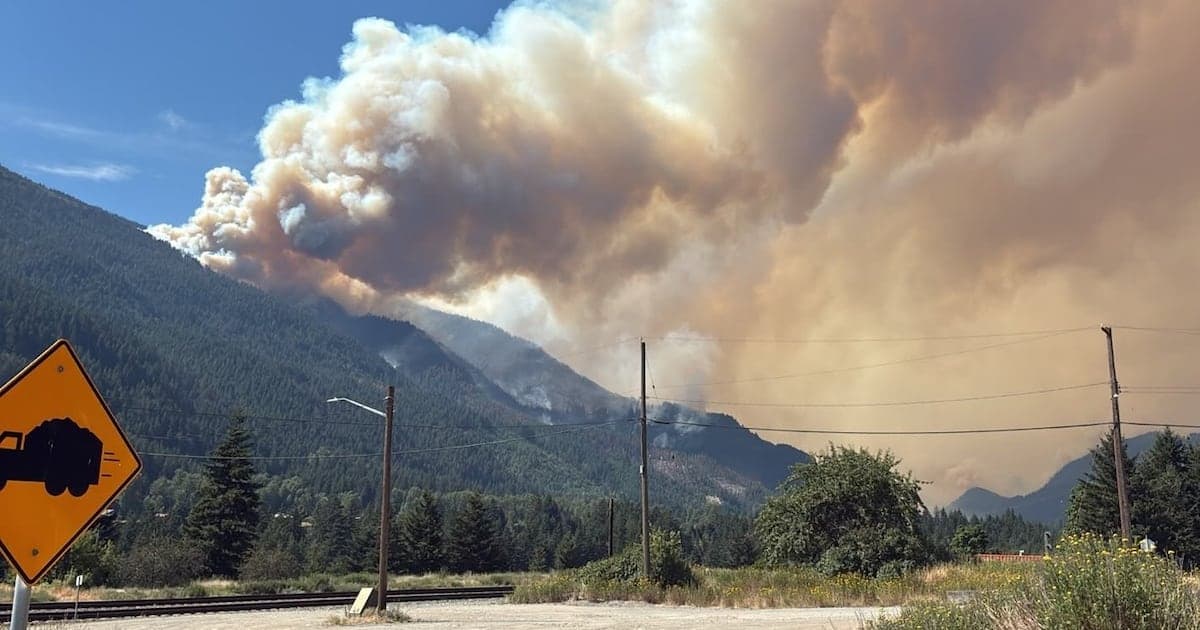
Multiple wildfires burning near Boston Bar in British Columbia's Fraser Canyon have led to the loss of structures, the closure of major transportation routes, and the evacuation of hundreds of residents. The primary fire, known as the Brunswick Creek wildfire, was first discovered on July 2 and has since grown to 2,623 hectares, or approximately 26 square kilometres, as of Wednesday morning. The fire remains classified as out of control by the B.C. Wildfire Service (BCWS).
Authorities report that the fire's rapid growth has been driven by hot, dry conditions and strong winds. On Tuesday, the BCWS indicated that winds were expected to remain elevated, with forecasts calling for gusts up to 40 kilometres per hour in the Fraser Canyon. Although temperatures were predicted to be cooler by Wednesday, the persistent wind continued to be a concern for fire behaviour and containment efforts.
In response to the escalating threat, several evacuation orders have been enacted. These include orders under the jurisdiction of the Fraser Valley Regional District, the Boothroyd Indian Band, and the Boston Bar First Nation. An additional evacuation alert was issued for Boston Bar and, as of Wednesday evening, for around 61 properties west of Spius Creek, including Petit Creek Road and Prospect Creek Forest Service Road. Overall, hundreds of properties are affected by these orders and alerts, with residents required to leave their homes or be prepared to evacuate on short notice.
One resident, Attila Banhegyi, who was ordered to evacuate from North Bend, described community fears that the fire could have consequences similar to the Lytton wildfire of 2021, which destroyed much of the Village of Lytton and resulted in two fatalities. North Bend is located approximately 45 kilometres south of Lytton, and the timing of the current fire comes just days after the fifth anniversary of the Lytton disaster.
The Brunswick Creek fire is one of several blazes in the area. Just across Highway 1 from the Brunswick Creek fire, the Ainslie Creek fire has burned 16,987 hectares, or nearly 170 square kilometres, as of Wednesday evening. Both the Brunswick Creek and Ainslie Creek fires are suspected to be caused by human activity, according to the BCWS.
The combined impact of the fires has resulted in the closure of Highway 1 in both directions near Boston Bar, a key transportation route through the Fraser Canyon. The fires have also affected regional infrastructure, with approximately 230 BC Hydro customers in and around the Boston Bar evacuation zone losing electricity since Tuesday afternoon.
Smoke from the fires has led to air quality warnings being issued across the region. Environment Canada expanded its air quality alert on Tuesday, covering not only the Fraser Canyon but also the Fraser Valley and areas west to the Chilcotin. The agency noted that populations at greater risk from poor air quality include individuals with lung or heart conditions, people who are pregnant, infants, young children, and people aged 65 and older.
BCWS has deployed significant resources to contain the fires. There are currently 146 wildland firefighters assigned to the Brunswick Complex, which includes the Brunswick Creek, Ainslie Creek, and a third smaller fire in the area. In addition to ground crews, 12 helicopters have been mobilized for water bucketing operations, and heavy equipment is being used to support direct suppression efforts.
The fires' proximity to Highway 1 has made smoke and flames highly visible to local residents and travellers. The situation remains dynamic, with firefighting efforts ongoing and authorities closely monitoring wind patterns and fire growth.
The BCWS indicated that while cooler temperatures may provide some relief, the forecasted strong winds could continue to drive fire activity and complicate containment. The agency continues to update the public on evacuation orders, fire perimeter changes, and air quality developments as conditions evolve.
The current wildfire season follows a series of challenging years for British Columbia, where intense wildfires have impacted communities, infrastructure, and air quality. The events near Boston Bar highlight ongoing concerns about the risks posed by wildfires in rural and remote areas of the province.
Authorities have urged all residents in affected areas to comply promptly with evacuation orders and to stay informed through official channels. The cause of both the Brunswick Creek and Ainslie Creek fires is under investigation, though both are suspected to be related to human activity.
As firefighting operations continue, the full extent of property damage remains under assessment. The loss of structures and the displacement of residents underscore the immediate and longer-term challenges faced by communities in wildfire-prone regions of British Columbia.