Smoke from Quebec and Labrador Wildfires Causes Hazy Skies in Newfoundland and Labrador
Environment Canada attributes haze to wildfire smoke as temperatures peak across the Avalon
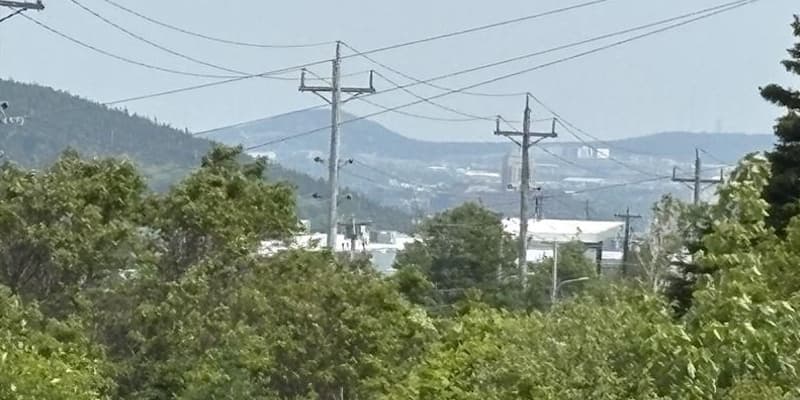
Hazy conditions were observed across Newfoundland and Labrador on what meteorologists identified as the hottest day so far this year for the Avalon Peninsula. The phenomenon, which obscured the clarity of blue skies, was forecasted by Environment Canada to extend across the entire island.
Allison Sheppard, a meteorologist with Environment Canada, stated that the haze was attributable to smoke originating from ongoing wildfires in western Canada, Quebec, and Labrador. The movement of smoke from these regions resulted in diminished visibility and the appearance of a persistent haze overhead.
Despite the atmospheric conditions, temperatures on the island reached the mid-to-high twenties Celsius, marking a notable peak for the season. The presence of wildfire smoke did not significantly reduce the temperature, which remained elevated as compared to previous days.
The smoke event is part of a broader trend observed in recent years, where wildfires in central and eastern Canada have periodically impacted air quality and visibility in Atlantic provinces. The meteorological process involves prevailing winds transporting smoke particles over long distances, contributing to atmospheric haze even in areas far from the original fire sites.
Forecasts indicated that the hot and hazy conditions would be temporary, with a shift expected on the following day. Meteorologist Sheppard projected a drop in temperatures to the teens Celsius, accompanied by precipitation in certain parts of the island. The anticipated weather change was expected to alleviate both the haze and the elevated temperatures.
While the haze was primarily a visual phenomenon during this event, wildfire smoke can contain fine particulate matter capable of affecting air quality and presenting health risks, particularly for sensitive populations such as individuals with respiratory conditions. Environment Canada did not issue an air quality advisory specific to this event based on the information provided.
The occurrence of haze due to wildfire smoke underscores the interconnectedness of weather systems and the far-reaching impacts of fire incidents in other regions. The situation demonstrated how atmospheric patterns can transport smoke across provincial and even interprovincial boundaries, influencing local weather and visibility conditions in Newfoundland and Labrador.
No significant disruptions to daily activities were reported as a direct result of the haze, and the primary impact remained limited to reduced sky clarity and a visible layer of smoke. As conditions evolved, local authorities and residents were advised to monitor updates from Environment Canada regarding further changes in weather or air quality related to wildfire smoke.