Saskatchewan prepares for increased severe weather risks as summer storm season intensifies
Residents urged to take preventative measures amid heightened hail and wind threats
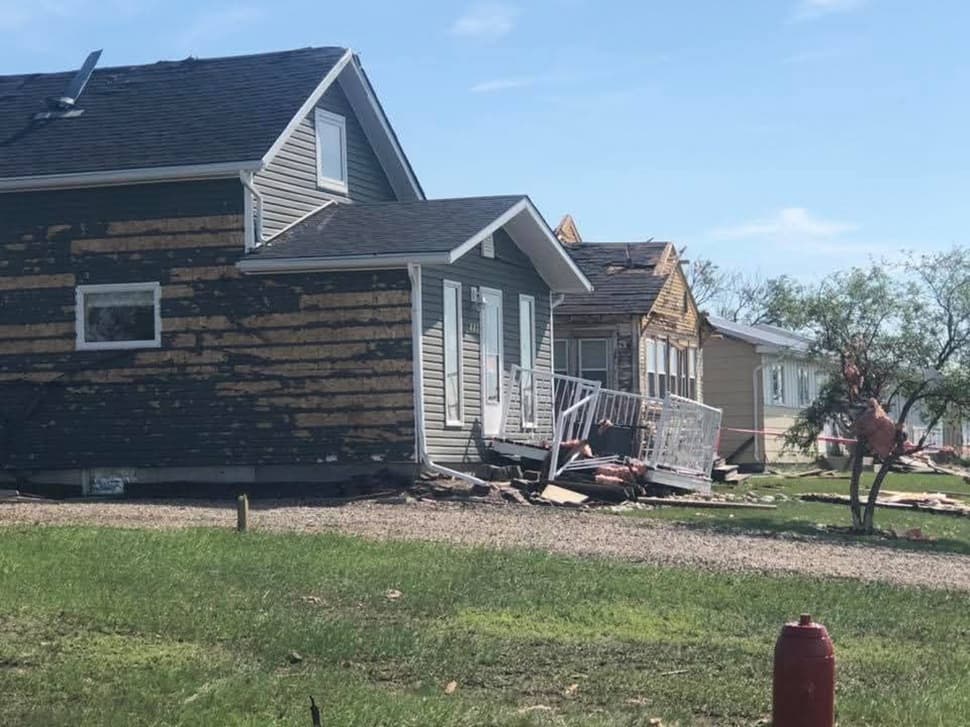
With the onset of severe thunderstorm season on the Canadian Prairies, Saskatchewan residents are being advised to take precautions against hail and strong winds, which pose significant risks to homes, vehicles, and property. Recent survey data commissioned by Intact Insurance indicates that 38 per cent of Canadians remain uncertain about how to start preparing for severe weather, highlighting a gap in readiness as storm activity escalates.
Saskatchewan and Alberta experience some of the country's most intense summer storms, with a combination of hail, powerful wind gusts, and occasional tornadoes. These phenomena are capable of causing widespread and rapid damage to communities and agricultural operations. The period from late June through July marks the peak of hail-producing thunderstorm activity in Saskatchewan. Hail, even when relatively small in size, can damage siding, shingles, windows, and vehicles. Larger hailstones, which occur periodically, can result in considerable property losses within minutes. One notable event cited was a hailstorm in Calgary in 2024, which led to insured damages approaching $2.8 billion.
While tornadoes often attract public and media attention, experts note that straight-line winds are typically responsible for the most extensive damage during Prairie thunderstorms. Wind gusts surpassing 100 km/h have been reported in the region, with the capacity to strip shingles from roofs, topple trees, damage grain bins, overturn trailers, and propel unsecured outdoor items considerable distances. Many of the severe thunderstorm warnings issued across Saskatchewan each summer cite wind as the primary threat.
Recent severe weather events in southwest Saskatchewan included wind gusts exceeding 100 km/h and heavy rainfall, underscoring the regularity and intensity of summer storms in the area. Reports from the region detailed damage to infrastructure, such as a cardlock facility, and the presence of funnel clouds, further emphasizing the need for vigilance and preparedness.
Authorities and insurance experts are encouraging Saskatchewan residents to implement preventative measures before the development of storms. Recommended actions include securing or storing outdoor furniture, barbecues, garbage bins, trampolines, and other loose objects when severe weather is forecast. Homeowners are advised to trim dead tree branches, inspect roofs for loose or missing shingles, and ensure eavestroughs and drainage systems are functioning correctly to mitigate the risk of water intrusion and wind damage.
Farm operators are also being advised to secure equipment, fuel tanks, and other outdoor assets that may be vulnerable to strong winds. Such measures are deemed essential in both rural and urban settings, as severe weather events do not discriminate by location and can affect a wide array of properties and infrastructure.
Protection of vehicles and property is another priority during thunderstorm season. When severe weather is expected, residents are urged to move vehicles into garages, machine sheds, or other covered structures. In the absence of such shelter, the use of vehicle covers or thick blankets may provide limited protection from smaller hailstones. Insurance providers also recommend that homeowners photograph their property before storm season begins. This practice can help expedite insurance claims if damage occurs, as documentation of the pre-storm condition of assets can streamline the claims process.
Emergency preparedness plans are being highlighted by officials as a key aspect of severe weather readiness. The safest location during a severe thunderstorm is indoors, away from windows. In the event of a tornado warning, people are directed to move to a basement or an interior room on the lowest floor of a building. Mobile homes, tents, and temporary structures are not considered safe during severe storms, and residents are encouraged to seek sturdier shelter if adverse weather is imminent.
Long-range meteorological forecasts suggest that an active weather pattern is likely to persist in parts of the Prairies throughout the summer. Saskatchewan has already experienced several rounds of severe thunderstorms in the current season, reinforcing the importance of proactive preparation to minimize damage and ensure the safety of residents.
Officials continue to emphasize the value of preparation as one of the most effective methods to reduce the impacts of severe weather events. Environment Canada regularly advises the public with the statement: "When thunder roars, go indoors." This guidance is part of broader public awareness efforts aimed at fostering a culture of readiness and risk mitigation across Saskatchewan and the wider Prairie region.
The cumulative impact of severe weather events, including hail and wind storms, has implications for insurance costs, infrastructure resilience, and community safety. With recent years witnessing several high-damage storms across the Prairies, the need for both individual and collective preparedness is being reiterated by experts and authorities alike. The intersection of meteorological trends, insurance industry data, and emergency management practices forms the context for ongoing public advisories in advance of peak summer storm activity.