Saskatchewan Farmers Confront Adverse Weather Conditions Amid Growing Season
Floods and Hail Present Significant Challenges to Prairie Agriculture
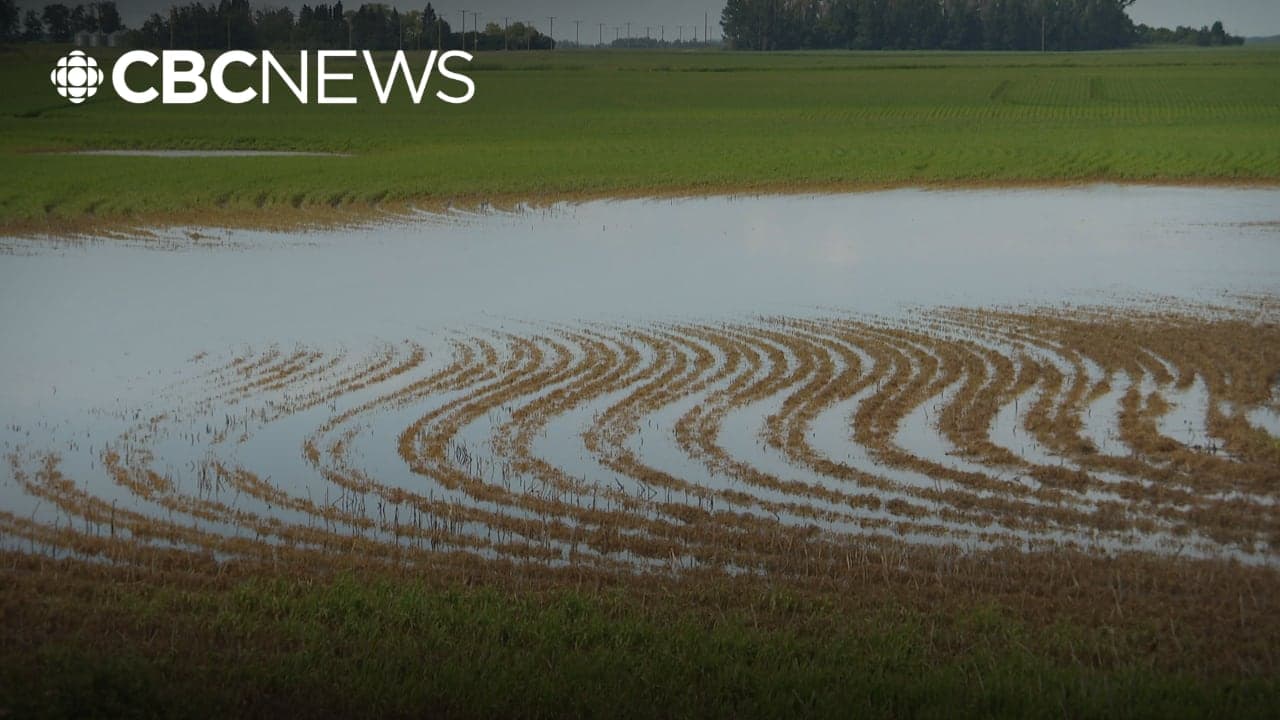
Farmers across Saskatchewan are experiencing significant disruptions to their operations this summer due to a range of severe weather events. Widespread reports indicate that flooding and hail have affected crops throughout the province, leading to ongoing assessments by producers as they try to determine the extent of damage and the viability of their remaining yields.
The latest series of weather events includes heavy rainfall that has not only affected farmland but has also washed out roads and flooded towns, particularly in east-central Saskatchewan. Producers in the southeast region have contended with thunderstorms and intense precipitation, triggering additional flooding and complicating efforts to maintain and monitor crops.
The impact of the weather is not isolated to Saskatchewan. Similar patterns have been observed in neighbouring Manitoba, where farmers are also reporting significant losses. There, incessant rain and repeated flooding have resulted in what has been described as "huge devastation" to crops. The situation echoes across provincial borders into southern Alberta, where hail and heavy rain have contributed to crop damage, further highlighting the widespread nature of the current weather-related challenges facing Prairie agriculture.
Producers in Saskatchewan are now in the process of evaluating the specific toll taken by these events. Many are conducting field-level assessments to quantify losses and determine what portion of their crops remains salvageable. The timing of the severe weather, occurring during a critical period of the growing season, has raised concerns about the overall yield for 2024 and the economic implications for both individual producers and the broader agricultural sector.
The recurring nature of these weather events underscores the vulnerability of Prairie agriculture to climatic volatility. Flooding has led to saturated soils, which can impede root development and increase the risk of disease, while hail damage can destroy crop stands outright. The cumulative effect of these factors threatens to reduce both the quantity and quality of harvested crops.
Producers are expressing a desire for a return to warmer, drier conditions to help salvage what remains of their fields. Many are monitoring weather forecasts closely, hoping for a shift that would allow crops to recover and for field operations to resume. In addition to physical damage, logistical challenges such as washed-out roads are hindering movement of equipment and supplies, further complicating recovery efforts.
The current situation is contributing to uncertainty in the agriculture sector. Crop insurance and government support programs may be invoked as producers seek to mitigate financial losses, and industry groups are monitoring developments closely to assess potential impacts on grain supply and pricing.
The events in Saskatchewan and neighbouring provinces are drawing attention to the broader issue of climate variability and its implications for Canadian agriculture. While the immediate concern is the current growing season, the frequency and intensity of such weather events may influence future planning and adaptation strategies among farmers and policy makers alike.