Quebec Faces Persistent Housing Shortage as July 1 Approaches
Over 2,100 Households Still Seeking Accommodation Amid Rising Vacancy Rates and Increasing Rents
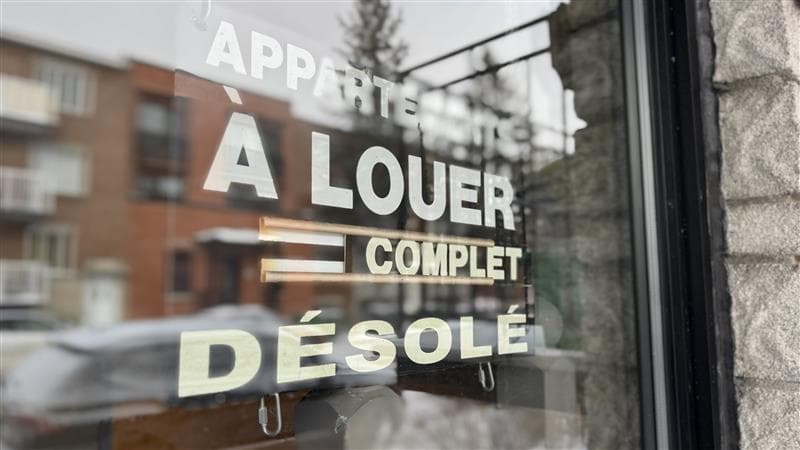
With less than a week remaining before July 1, the traditional moving day in Quebec, 2,153 households are actively being assisted in their search for housing, according to the Front d’action populaire en réaménagement urbain (FRAPRU). This figure represents an increase compared to the same period last year, when 1,989 households were receiving similar support. The total includes households that are already housed but are seeking new accommodation.
FRAPRU spokesperson Véronique Laflamme characterized the situation as concerning, particularly in light of recent increases in housing vacancy rates across several regions of the province. Laflamme noted that while new housing units are being constructed, their rental costs remain high, making them inaccessible to many tenants. "Housing units are being built, but they are so expensive that they are beyond the means of many tenants," Laflamme said, emphasizing the disconnect between increased supply and affordability.
The housing shortage is not limited to Quebec’s major urban centres. In the Montérégie region, 407 households are currently receiving active assistance from FRAPRU in their search for housing. The Lanaudière and Mauricie regions have 165 and 166 households, respectively, in similar circumstances. Laflamme pointed to the situation in Mauricie, where the number of tenants seeking help has grown despite a rise in the regional vacancy rate.
In Trois-Rivières, the vacancy rate increased from 0.9 per cent in 2024 to 2.7 per cent in 2025, effectively tripling over a year. Nevertheless, a significant number of households continue to require assistance in finding suitable housing. Laflamme stated that “really everywhere, there are tenants facing situations of great insecurity because they haven’t found the housing they need.”
Montreal, the province’s largest city, currently has 279 households receiving active support in their search for accommodation. According to a recent Canada Mortgage and Housing Corporation (CMHC) report, the Montreal metropolitan area had a vacancy rate of 2.9 per cent in 2025, up from 2.1 per cent in 2024. However, the CMHC noted that "the most affordable units, meanwhile, remain in short supply."
Average rents have continued to rise in tandem with vacancy rates. In Montreal, the average rent for two-bedroom units reached $1,346 in 2025, representing a 7.2 per cent increase from the previous year. Similarly, in the Quebec City metropolitan area, the average rent for two-bedroom units was $1,277, up 6.1 per cent. The vacancy rate in Quebec City increased to 2.4 per cent in 2025 from 0.9 per cent in 2024. CMHC described this development as “a slight easing of the market after a long period of historically low rates.”
Within Quebec City, the rise in vacancy rates was observed in multiple areas, including Basse-Ville, Les Rivières, and the South Shore. In total, 301 households in the Capitale-Nationale region are receiving active support for their housing search.
FRAPRU has attributed the ongoing crisis to unaffordability, with Laflamme stating, “This housing crisis is a crisis of unaffordable housing.” She argued for the urgent implementation of structural measures to address the lack of affordable housing options in the province.
The issue of housing affordability and availability is expected to remain prominent in the political discourse, as Quebec is set to enter a provincial election campaign this fall. Laflamme called on various political parties in Quebec City to prioritize the housing crisis in their platforms.
According to the CMHC, the recent increase in vacancy rates in several regions marks a departure from the historically low rates of previous years. Despite this trend, the persistent lack of affordable rental units continues to drive demand for assistance services, as demonstrated by the rising number of households seeking help through FRAPRU.
Stakeholders have identified the gap between the types of housing being constructed and the financial realities of many renters as a central challenge. While overall supply has increased, particularly in certain metropolitan areas, the proportion of new units affordable to low- and middle-income tenants remains limited.
The interplay between rising rents, increased vacancy rates, and continued demand for assistance highlights the complexity of Quebec’s housing market dynamics. The situation suggests that supply-side improvements alone may not be sufficient to resolve housing insecurity among vulnerable populations.
As the July 1 moving day approaches—a period traditionally associated with heightened mobility and housing transitions in Quebec—many households continue to face uncertainty regarding their living arrangements. The pressure on assistance organizations and the growing number of households requiring support underscore the extent of the ongoing housing shortage across the province.