Province-wide fire ban implemented across Newfoundland and Labrador amid escalating wildfire risk
Government moves to restrict all open flames as wildfires surge in Labrador and conditions deteriorate
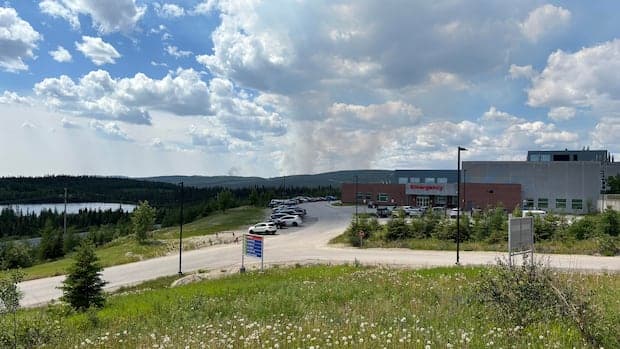
A province-wide fire ban has been instituted across Newfoundland and Labrador, effective immediately and in place until at least July 17, as authorities respond to increasing wildfire risks and ongoing fire activity, particularly in Labrador. Forestry Minister Pleaman Forsey announced the measure, citing elevated Fire Weather Index ratings and what the provincial government termed "extensive wildfire activity in Labrador." The decision expands a previous ban that had covered all of Labrador and was initially set to last until July 13, now extending restrictions to all regions of the province regardless of their local fire hazard risk rating.
The ban, enacted under Section 99 of the Forestry Act, cancels all permits to burn grass, brush, or other materials. The use of fireworks and sky lanterns is prohibited. No campfires or wood-fuelled fires are permitted, including those in backyard areas. Wood-fuelled fires are specifically banned on forest land, within 300 metres of forest land, or anywhere that flammable vegetation is present. Forest land is defined broadly, encompassing forests, yards, fields, parks, paths, greenbelts, dry marsh, bogland, and barrens. Flammable vegetation covers both living and dead plant material capable of igniting and propagating fire.
Some outdoor cooking is still allowed under the ban, with strict safety guidelines. Gas or propane-fuelled barbecues may be used if operated safely and with extreme caution, especially if flammable materials are nearby. Smoker units and other enclosed structures used for food preservation are permitted. Gas, kerosene, alcohol, propane, or charcoal-burning cooking units must be positioned at least 3.5 metres away from trees, brush, or other flammable substances. Officials advise that all coals or remnants from barbecues or burning units must be fully extinguished before disposal.
The ban also places restrictions on the use of all-terrain and motorized vehicles in grassy or wooded areas. Vehicles must be equipped with a muffler and a screening or baffling device designed to prevent sparks. Drivers are required to carry a fire extinguisher containing a minimum of 225 grams of ABC-class fire retardant. These measures are reminders from the government to minimize risks of accidental ignition from machinery or recreational vehicles, particularly in areas with dry or combustible vegetation.
Penalties for violating the fire ban are significant, with minimum fines set at $50,000. The province continues to urge residents and visitors to report any signs of wildfire by calling 1-866-709-FIRE (3473). Officials also recommend regularly consulting the provincial wildfire dashboard, as fire risk ratings can shift rapidly with changing weather conditions.
As of the announcement, there were 22 active wildfires in Newfoundland and Labrador, all located in Labrador. The government noted that four of the province’s five water bomber aircraft had been deployed to combat higher-risk fires, particularly those near the Labrador West communities of Labrador City and Wabush. In addition to the fires within Labrador, nearly 200 wildfires burning across the border in Quebec have prompted that province to expand its own fire bans.
Specific regions have seen varied risk levels. As of the most recent assessments, the entire Avalon Peninsula and the island’s interior were classified as having a "very high" fire index. The Burin Peninsula, Labrador City, and surrounding areas were rated "extreme," indicating dangerous conditions and an extreme risk of wildfire. Other areas around Happy Valley-Goose Bay in Labrador were experiencing "high" fire risk. Western Newfoundland, in contrast, was experiencing a mix of "low" to "moderate" risk at the time the province-wide ban was declared, but authorities moved ahead with comprehensive restrictions given deteriorating conditions elsewhere.
The risk factors prompting the ban include persistent heat and dry conditions, which have contributed to rapidly escalating fire hazard levels. In several areas, environmental conditions shifted within a 24-hour period, requiring swift adaptation of response measures.
The ongoing fires have had broader impacts on infrastructure and industry. Rio Tinto, a mining company operating in the region, temporarily suspended service on its Quebec North Shore & Labrador Railway on July 8 due to a wildfire near the railway line. The railway runs from Emeril Junction, approximately 60 kilometres from Labrador City, across the provincial border to the Port of Sept-Îles.
This year’s fire season follows a record-setting 2025 season in Newfoundland and Labrador, which saw extensive property damage, forced evacuations, and more than $70 million in insured property damage, according to the Insurance Bureau of Canada. The so-called Kingston fire in the Conception Bay North region in August 2025 resulted in significant public infrastructure losses, including the destruction of an elementary school. The memory of last year’s fire season has influenced current policy decisions amid similar or escalating risks.
Comparatively, the number of wildfires so far in the 2026 season stands at 99, down from 152 reported at the same point the previous year. However, the total area burned has increased significantly, with approximately 37,800 hectares affected this year, compared to 2,700 hectares at this time in 2025. This increase in burned area, despite a lower number of individual fires, underscores concerns about fire intensity and spread under current climatic conditions.
Stakeholders and local officials have voiced concerns about the region’s fire response capacity. Notably, the mayor of Wabush has called for a water bomber to be stationed in Labrador West to improve response times as fires continue to threaten local communities. Forestry Minister Pleaman Forsey described the ongoing situation as “disheartening,” referencing both the immediate threat and the broader challenge of managing wildfire risk under changing environmental conditions.
Authorities continue to emphasize that fire risk is dynamic and can change with little notice. They have encouraged ongoing vigilance, adherence to the ban, and prompt reporting of any new fire incidents. The province’s approach reflects an effort to balance public safety, protection of property and infrastructure, and the need for rapid, coordinated response to evolving wildfire hazards.