Ontario NDP Marks 1,000 Days Since Launch of RCMP Greenbelt Probe
Political opposition highlights ongoing investigation into 2022 land removal controversy
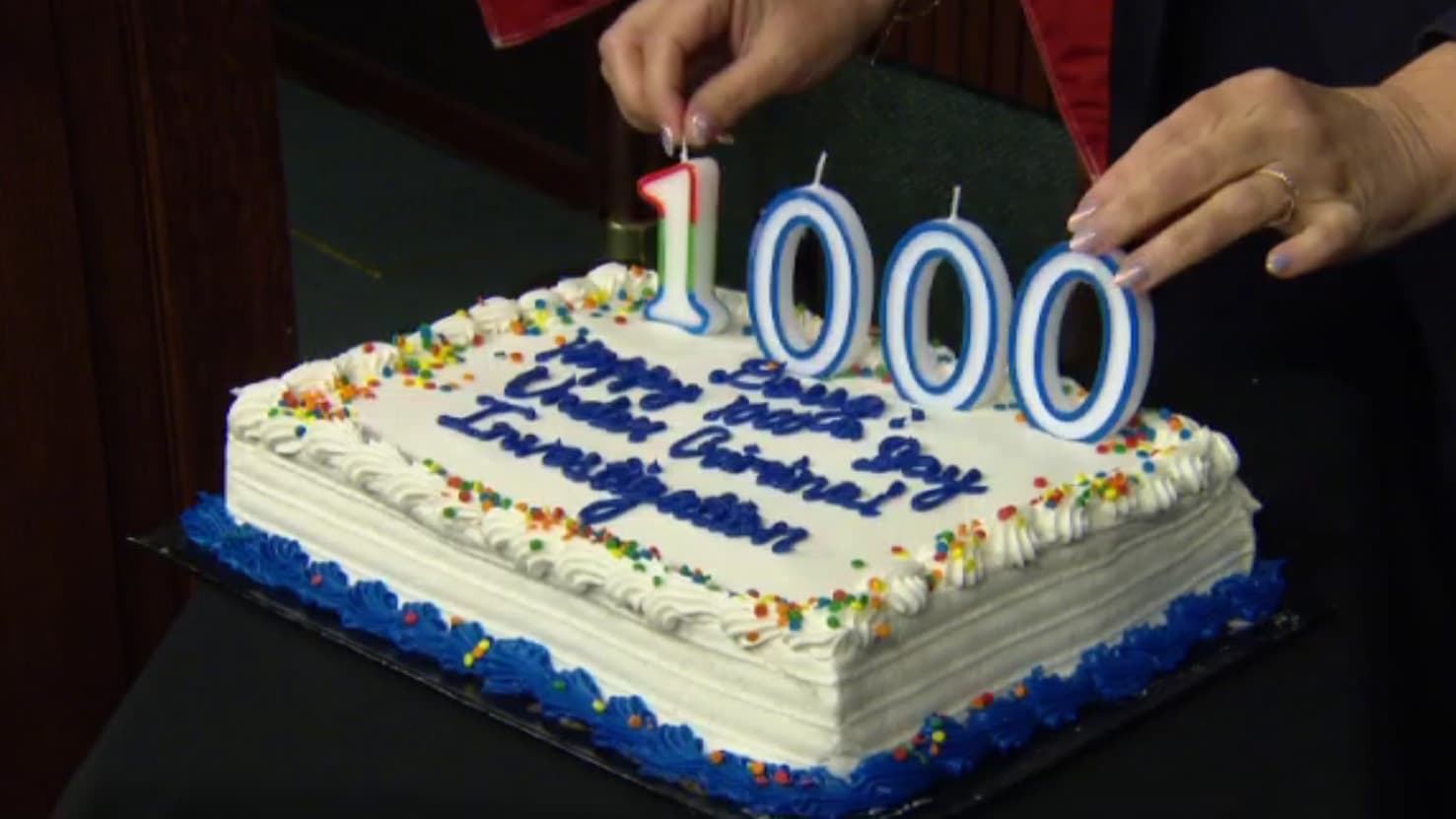
The Ontario New Democratic Party (NDP) marked a significant milestone at Queen’s Park on July 8, 2026: 1,000 days since the Royal Canadian Mounted Police (RCMP) began its criminal investigation into the provincial government’s 2022 Greenbelt land removal plan. NDP Leader Marit Stiles commemorated the date by bringing a cake to the legislature, underscoring her party’s ongoing call for greater transparency regarding the status and progress of the probe.
The RCMP’s investigation was initiated in October 2023 following the Ontario government’s announcement that it would remove land from the protected Greenbelt as part of a housing development policy. The government’s plan was met with sustained public opposition and resulted in the resignation of two cabinet ministers. Premier Doug Ford later reversed the decision and issued a public apology.
Subsequent reporting and an Auditor General’s review indicated that the boundary changes to the Greenbelt disproportionately benefitted developers with connections to the housing minister’s chief of staff. This finding intensified scrutiny of the government’s actions and provided further impetus for the RCMP’s Sensitive and International Investigations Unit to pursue a criminal probe.
Opposition leader Stiles has maintained that the duration of the RCMP investigation—now approaching three years—suggests the possibility of significant underlying issues. She stated, “I don’t think anybody out there believes that this government, this premier, has learned his lesson,” and alleged that the government had adapted its approach to governance to be less transparent. Stiles further criticized recent amendments to Ontario’s Freedom of Information laws, contending that these changes impede public and media access to information.
Expressing a lack of trust in the government, Stiles asserted, “I have no doubt that this premier and his government are corrupt. I will say it again, I think they are continuing to make backroom deals.” Despite her criticisms, Stiles affirmed her confidence in the RCMP’s ability to conduct a thorough investigation and emphasized the importance of determining the truth, regardless of the time required.
In response to questions regarding the ongoing investigation, the RCMP provided a written statement. The force indicated that its Sensitive and International Investigations Unit is continuing its work and that details cannot be disclosed to preserve the integrity of the process. “Be assured that the RCMP Sensitive and International Investigations Unit is conducting a thorough investigation. That investigation is ongoing. To protect the integrity of the investigation, we cannot provide information at this time. The RCMP must ensure that criminal investigations are not compromised by sharing information publicly,” the statement read.
Premier Ford has commented on the investigation on several occasions. Two months before the 1,000-day mark, on May 4, Ford stated that his government had fully cooperated with the RCMP by providing all requested materials. He characterized the investigation as a matter of limited public concern, saying, “I’m focusing on the economy. That’s what I’m focused on. That’s what matters. Not something that happened years ago that it doesn’t show up on our radar, on polling, shows up zero, actually.”
The Greenbelt, a protected area of environmentally sensitive land in southern Ontario, was established to limit urban sprawl and preserve agricultural and natural spaces. The Ford government’s 2022 proposal to remove land from this area was presented as a measure to address housing shortages by increasing available land for development. However, the process and the selection of specific parcels of land drew criticism from opposition parties, advocacy groups, and segments of the public, particularly after revelations of developer ties to government officials.
The resignations of two cabinet ministers and Ford’s subsequent reversal of the land removal plan were followed by an Auditor General’s report, which identified irregularities in the selection process and the potential for preferential treatment of certain developers. These events formed the basis for the RCMP’s criminal investigation, which has since remained active without public disclosure of findings or conclusions.
The case has become a focal point for debates over government accountability, transparency in land use decisions, and the adequacy of oversight mechanisms in Ontario. Stiles and the NDP have continued to press for greater openness, arguing that changes to information laws and the protracted nature of the investigation necessitate increased scrutiny of the government’s actions.
The government, for its part, has sought to shift public focus to economic issues and housing policy, downplaying the relevance of past controversies in light of current priorities. Ford’s approach has been to characterize the investigation as disconnected from the concerns of most Ontarians, while maintaining that all necessary cooperation has been extended to law enforcement.
The RCMP’s ongoing investigation is being conducted by the Sensitive and International Investigations Unit, which handles complex cases with potential criminal implications involving public officials. The absence of public updates or conclusions has left questions unresolved regarding the scope and potential outcomes of the probe.
The 1,000-day mark highlights both the persistence of political opposition efforts to keep the issue at the forefront and the procedural challenges inherent in complex investigations involving government conduct. The eventual findings of the RCMP investigation may have implications for public trust, government transparency, and future policy approaches to land use and development in Ontario.