Ontario Child’s Rabies Death Marks Rare, Locally Acquired Case, Prompts Calls for Public Vigilance
First locally transmitted rabies fatality in Ontario since 1967 highlights risks of bat encounters and complexities of diagnosis
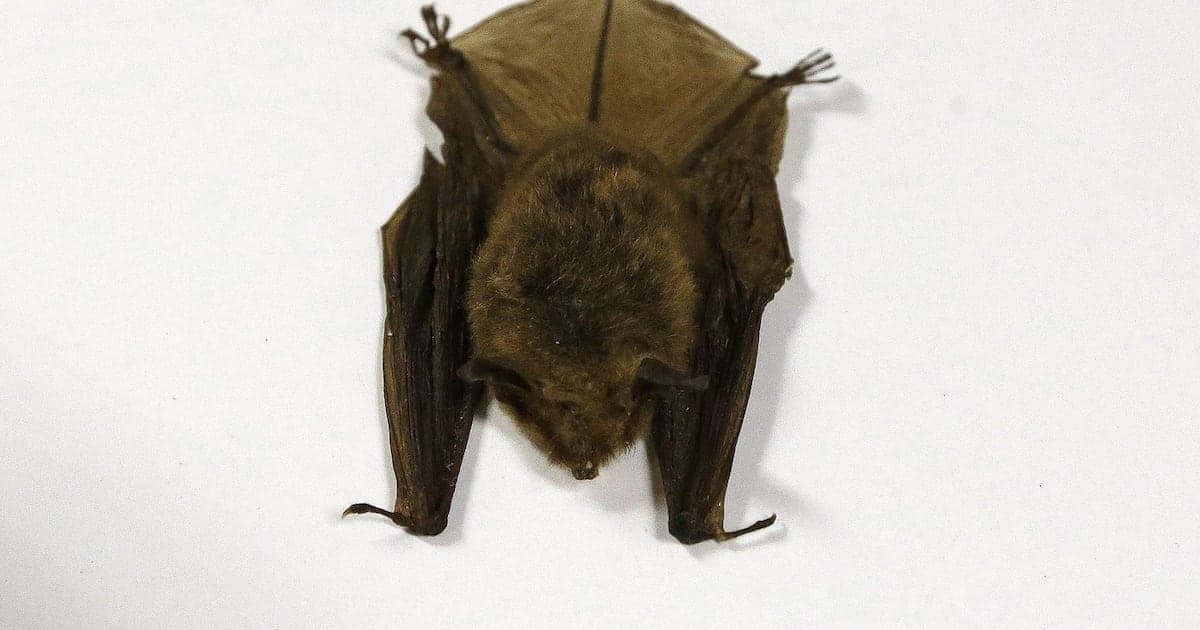
An 11-year-old boy in Ontario died in 2024 from rabies, marking the province’s first locally acquired case since 1967. The case has drawn renewed attention from medical professionals and public health authorities to the risks associated with bat encounters, and the critical importance of seeking prompt medical care following any direct contact with bats, even when no bite or scratch is visible.
According to details published by the boy’s medical team in the Canadian Medical Association Journal and reported by multiple news outlets, the incident began when the child awoke to find a bat on his face, specifically over his nose and mouth. No visible wounds were present, and the bat did not appear to be behaving abnormally. The child’s parents, observing no apparent injury or erratic animal behaviour, opted not to seek medical treatment at that time.
Nineteen days after the encounter, the boy developed symptoms including facial numbness, vomiting, and pain. He was taken to the hospital, where he was ultimately diagnosed with rabies. The initial clinical presentation included vague and nonspecific symptoms such as tingling, numbness, fever, fatigue, and headache—signs that are typical of early rabies infection but can mimic more common childhood illnesses. On his first hospital visit, he was sent home with a presumed diagnosis of herpes gingivostomatitis, a viral infection causing painful mouth sores.
The following day, the boy’s condition deteriorated rapidly. He developed fever, confusion, difficulty swallowing, excessive salivation, hallucinations, and deficits affecting multiple cranial nerves. This progression is characteristic of rabies as it attacks the nervous system after entering the body through infected saliva, most commonly via bites or scratches. Once rabies symptoms have manifested, the disease is almost always fatal, with fewer than 35 documented survivors worldwide.
Upon his return to hospital, the emergency physician notified local public health authorities in light of the bat exposure history. While experimental therapies were considered, they were not administered due to the boy’s rapid neurological decline, limited availability of the treatments, and a lack of evidence supporting their effectiveness. The child received supportive care in intensive care but died after life-sustaining therapies were withdrawn on the 17th day of his admission. His family was present at his bedside.
The case was one of only 28 rabies infections reported in humans in Canada since 1924. The boy’s parents consented to the publication of the case details to help raise public awareness about the risk posed by bats and the importance of seeking appropriate medical evaluation after potential exposure.
Rabies is considered one of the deadliest infectious diseases known. It primarily targets the nervous system and, without timely intervention, is almost uniformly fatal once symptoms develop. Human rabies is preventable with post-exposure prophylaxis (PEP), which involves administration of human rabies antibodies and a vaccine. PEP is effective only if given before the onset of symptoms.
The unpredictability of the rabies virus’s incubation period, which can range from days to months, presents a significant challenge for clinicians and patients. In this case, the 19-day interval between the bat encounter and onset of symptoms fell within the typical incubation period for rabies.
Globally, dogs are the principal vector for rabies transmission. In North America, however, most human cases are associated with bats. The teeth and claws of bats are small, and wounds may be difficult to detect, making it possible for individuals to overlook exposure. The boy’s medical team emphasized that any direct human contact with a bat, regardless of the presence or absence of a visible bite or scratch, constitutes an indication for PEP and should be discussed with public health authorities.
Doctors highlighted that even if a bat appears healthy, it can transmit rabies. They noted that simply finding a bat in a room does not automatically merit PEP, but if direct contact cannot be ruled out, the bat should be safely captured if possible and tested for rabies. Medical professionals urge that anyone with direct contact with a bat should seek immediate medical attention.
This case follows established patterns observed in rabies infection: initial nonspecific symptoms, rapid onset of neurological decline, and poor prognosis once symptoms emerge. The medical response included consultation with public health authorities and consideration of experimental treatments, which ultimately were not pursued due to clinical realities and the current evidence base.
The child’s death has prompted further calls from the medical community to increase public education regarding rabies risks and the necessity of post-exposure prophylaxis after possible exposure to bats. Physicians involved in the case have reiterated the importance of not relying on the absence of visible injury or abnormal animal behaviour as a basis for dismissing potential rabies exposure.
The case has been described in national medical and news publications as a rare but significant reminder of the ongoing risk of rabies in Canada. Medical authorities continue to emphasize prevention and early intervention as the most effective strategies against this disease.