Nunavut Premier Seeks Federal Support for Health Infrastructure
Northern Premiers Highlight Gaps, Call for Ottawa's Investment Ahead of First Ministers' Meeting
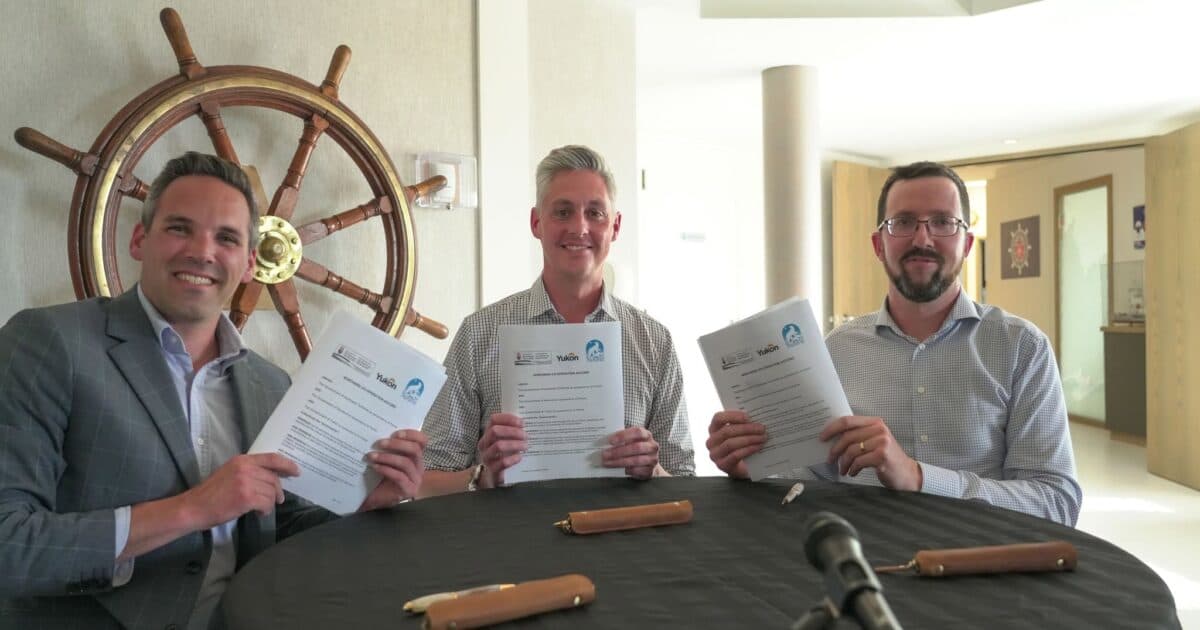
Nunavut Premier John Main has called on the federal government to play a more active role in upgrading health-care infrastructure across the territory, citing significant gaps that contribute to an increased reliance on medical travel for Nunavummiut. Main's comments came during the Northern Premiers Forum in Hay River, Northwest Territories, where he appeared alongside N.W.T. Premier R.J. Simpson and Yukon Premier Currie Dixon.
Main, who previously served as Nunavut's health minister, stated that the federal government is currently assessing shortcomings in Nunavut's health-care services. He expressed optimism about the recent federal attention to northern health infrastructure, describing it as overdue. According to Main, the territory faces an extensive infrastructure deficit that strains fiscal resources and necessitates medical travel outside communities. "If we can deliver services closer to home, it could benefit the territory in terms of our fiscal resources, and also benefit patients and communities," Main said.
Health care was a central topic at the Northern Premiers Forum, a gathering which began Wednesday and was scheduled to conclude Friday in Yellowknife and Hay River. The three territorial leaders have used the occasion to highlight both the shared challenges and opportunities present in the North. They have indicated a unified stance in urging Ottawa to increase its investment in northern regions, particularly in health infrastructure.
The premiers also discussed major projects, critical infrastructure, and Arctic security as key priorities. Federal Transportation Minister Steven MacKinnon announced that the proposed Grays Bay road and port could be one of Ottawa’s first major projects designated as being of "national interest." Main stated that the Government of Nunavut is offering conditional support to the Grays Bay initiative. He noted that the project is subject to environmental review processes, including assessments by the Nunavut Impact Review Board, the Nunavut Water Board, and the Nunavut Planning Commission.
Main emphasized the importance of Bill C-5 and the major projects designation, but pointed out that, for Nunavut, the Nunavut Act—a constitutionally enshrined modern treaty—remains the overriding legislation. He added that the Government of Nunavut intends to fully participate in environmental assessment processes for all projects under consideration.
While the three territories differ in many respects, their leaders identified shared challenges, such as the robustness of energy grids and the logistical difficulties in servicing fly-in communities. These issues have contributed to infrastructure gaps in health and other sectors, further underscoring the need for coordinated federal support.
The forum also laid the groundwork for upcoming discussions with provincial leaders and the federal government. The premiers are expected to meet with provincial counterparts and Prime Minister Mark Carney at the Council of the Federation meeting scheduled for next month in Charlottetown.
Crown Indigenous-Northern Affairs Canada was contacted for comment regarding Nunavut's request for health infrastructure support, but did not provide a response before publication.
The dynamics discussed at the Northern Premiers Forum reflect long-standing issues facing Canada’s northern territories, where sparse populations, vast distances, and limited year-round transportation options have historically complicated the delivery of health and social services. Medical travel has become a routine component of the health-care system in Nunavut, placing strains on government budgets and affecting patient care.
The question of federal responsibility for health infrastructure in the territories is rooted in the unique constitutional and fiscal arrangements governing the North. Unlike provinces, territories rely heavily on federal transfers, and many capital projects are subject to federal approval and funding. The ongoing federal assessment of Nunavut’s health-care gaps could shape future policy decisions and funding allocations.
The proposed Grays Bay road and port project, which would provide an overland link between the Northwest Passage and the territorial road network, is an example of the type of infrastructure investment northern leaders argue is necessary for long-term economic and social development. Environmental review processes and conditional government support underscore the complexity of advancing such projects within the framework of modern treaties and territorial legislation.
The upcoming Council of the Federation meeting in Charlottetown is expected to provide an opportunity for northern premiers to advocate for their regions’ priorities directly with federal and provincial leaders. Health infrastructure is anticipated to be a central theme, along with broader questions of economic development, energy, and security in the Arctic.
The current engagement between territorial and federal governments highlights the ongoing negotiation over jurisdiction, resources, and responsibilities in Canada’s North. The outcomes of these discussions may influence future investments and the delivery of essential services in Nunavut and across the northern territories.