Nunavut Heat Wave Sets Temperature Records in Iqaluit
Unprecedented July Temperatures Mark Change in Northern Weather Patterns
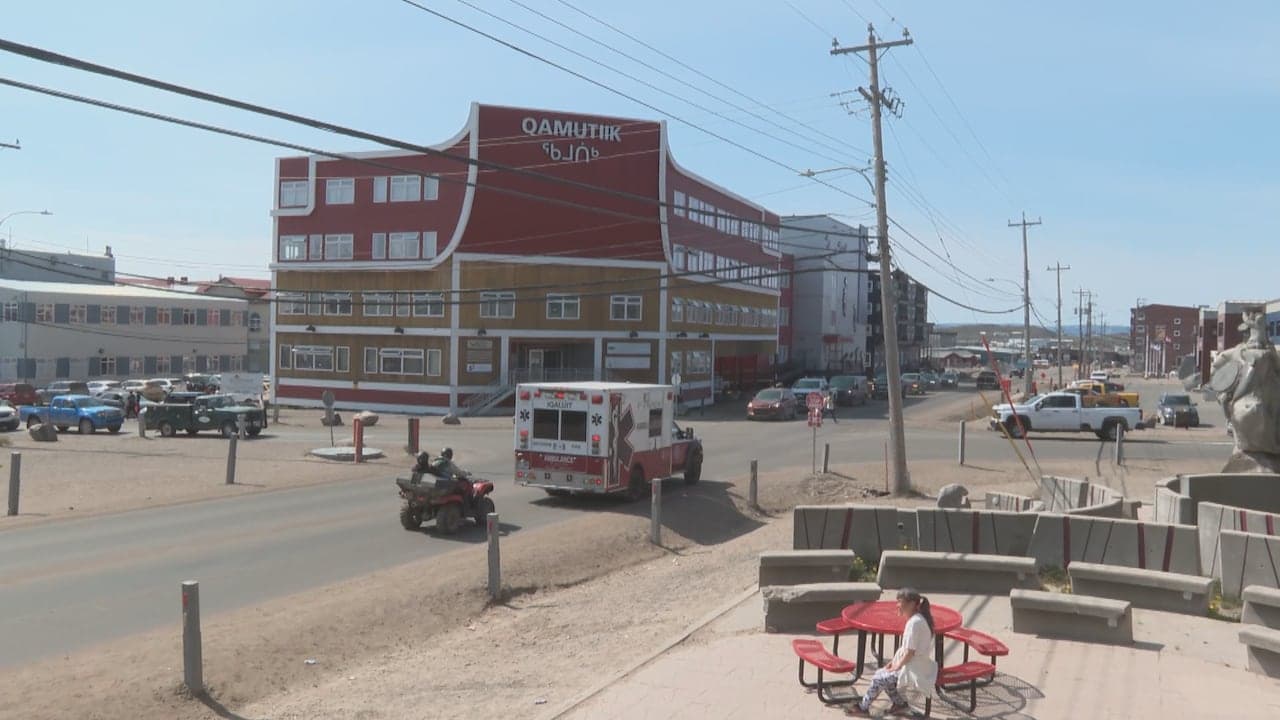
Nunavut experienced a rare heat wave this week, with Iqaluit recording its hottest July 5 on record, according to Environment Canada. On Sunday, the temperature in Iqaluit reached 25.1°C, surpassing previous daily records for that date. The following day, Monday, the temperature remained high at 24.4°C. These conditions prompted Environment Canada to issue a heat warning for Sunday and Monday in Iqaluit.
Meteorologist Chloe Katsademas of Environment Canada described the event as a period of "abnormal heat" across Nunavut, linked to warmer conditions in southern regions of Canada. She noted that the last time temperatures exceeded 22°C on July 5 in Iqaluit was in 1948. The 25.1°C recorded this year broke the long-standing daily record, with weather data for the area maintained since 1946.
The heat wave extended beyond Iqaluit, with seven other Nunavut communities, including Arctic Bay, Igloolik, and Kinngait, also setting daily temperature records on Sunday. Despite the new record for July 5, the all-time hottest day recorded in Iqaluit remains July 21, 2008, when temperatures reached 26.8°C. Sunday’s high was the sixth-warmest day on record for the city.
By Tuesday, the heat wave had subsided, with Iqaluit experiencing a daytime high of 18.4°C. Residents reported adjusting their routines and attire to cope with the unusual warmth. Jazmine Akeeagok, an Iqaluit resident, remarked on the shift in clothing habits, noting that she was wearing shorts instead of her usual summer attire of sweatpants and sweaters. She described the heat as "very abnormal" and observed, "We're definitely experiencing climate change first hand."
Others in the community found different ways to stay cool. Gordon Alainga spent the day swimming at Road to Nowhere, a popular local spot, and considered purchasing a fan for his home due to the indoor heat. Ryan Akeeagok shared that he was also swimming and enjoying barbecues, describing the water as providing a refreshing, if brisk, respite from the heat.
Lesedi Mokoena, another resident, reported that her home lacked air conditioning and relied on open windows and a fan to manage indoor temperatures. She described the intensity of the heat, saying, "Everyone's wearing shorts and everything. The heat just hits my face really hard."
Heat waves are uncommon in Nunavut, even during the summer months, due to the region’s typically cool Arctic climate. The recent high temperatures prompted many residents to seek outdoor activities and adapt their daily routines. Anecdotal accounts suggest that many Nunavummiut were not accustomed to such weather and had to retrieve clothing typically reserved for vacations to southern destinations.
The recent heat in Nunavut coincided with broader weather events in Canada. Other parts of the country, including northwest Alberta, northeastern Ontario, Thunder Bay, and parts of northwestern Ontario, were also under heat warnings. Central Canada experienced similar high temperatures, while some western provinces dealt with flooding, illustrating the range of climate-related challenges across the country.
The experience in Nunavut has contributed to discussions about climate change, with some community members identifying the heat wave as evidence of shifting weather patterns in the North. While long-term climate attribution requires further analysis, the frequency and intensity of such events are being monitored by meteorological agencies and local observers alike.
The heat wave’s impact was primarily felt in day-to-day life, as infrastructure in many Nunavut communities is designed for colder conditions and does not typically include features such as air conditioning. Residents adapted by seeking water-based recreation, adjusting their clothing, and using fans or ventilation where possible.
The latest temperature records are part of a dataset that offers insights into changing weather patterns in Canada’s North. Environment Canada continues to track and analyze these trends as part of its broader climate monitoring efforts. The agency’s data indicate that, while extremes like the July 5 heat are still uncommon, they are becoming more notable in the historical record.
As the immediate heat wave passed, Nunavummiut resumed more typical summer activities, though many remain alert to the possibility of further temperature anomalies. The event has underscored both the adaptability of northern communities and the challenges associated with rapid changes in regional climate patterns.