Nova Scotia Invests $8 Million in New Road Maintenance Equipment
Province aims to modernize pothole repairs and improve infrastructure with specialized fleet additions
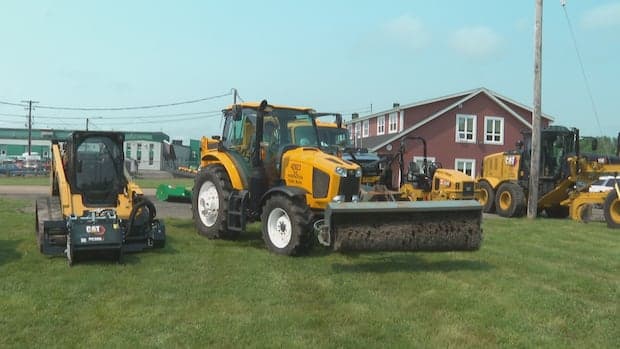
Nova Scotia's Department of Public Works has announced an $8 million investment in over 80 pieces of specialized road maintenance equipment, intended to improve the province’s capacity for pothole repairs and routine upkeep of highways and secondary roads. The new fleet, unveiled at a public works depot in Sydney River, includes hot boxes for handling asphalt, front-end loaders with brush cutters, skid steers with asphalt planers, sweepers, compactor attachments, rollers, and a roadside mower for summer maintenance.
Public Works Minister Fred Tilley stated that the modernization effort comes in response to a longstanding need to update the province’s road maintenance practices. According to Tilley, the acquisition process involved consultation over the past year with staff, Members of the Legislative Assembly (MLAs), and contractors to assess the equipment required for an effective modernization. "Now is not a good time to be a pothole in Nova Scotia," Tilley remarked at the announcement event, emphasizing the province’s commitment to improving road conditions. He added, "We will be deploying this new equipment to depots across the province. Each area of the province will also have a dedicated crew assigned using the pothole and cutting equipment, which is a great change for our province."
The introduction of hot boxes represents a significant change in asphalt management. Previously, asphalt was loaded onto trucks and would cool during transit, reducing its effectiveness for repairs. The new insulated boxes allow crews to mix and transport heated asphalt to job sites while maintaining its optimal temperature, resulting in more durable, longer-lasting repairs.
Among the new equipment, front-end loaders fitted with brush cutters are expected to improve roadside maintenance by reaching under guardrails and across shoulders more effectively. Skid steers with asphalt planers and compactor attachments will be used for patching roads, while sweepers and rollers round out the fleet’s expanded capabilities. The roadside mower is intended to aid with vegetation control during the summer maintenance season.
The province has allocated $161 million for asphalt and resurfacing of highways and roads in the current year, with $26 million dedicated to summer maintenance. Funding for the staff required to operate the new equipment will be provided through the Rural Impact Mitigation program, according to provincial officials.
Potholes have been a prominent concern for Nova Scotia drivers, particularly following the spring thaw. According to recent Canadian Automobile Association (CAA) data, potholes cost Canadian motorists approximately $3 billion annually in vehicle damage. Results from an informal survey by NextDoor Canada, a community information platform, found that 78 percent of Nova Scotia respondents considered the province’s pothole problem to be severe, with frequent encounters impacting daily travel. Thirteen percent described the issue as noticeable, eight percent as mild, and one percent reported no significant pothole presence.
This year, major routes such as provincial highways 125 and 104, Trans-Canada Highway 105, and the Cabot Trail in Cape Breton have been cited for noticeable pothole problems. Similar complaints have been reported along highways 102 (Truro to Halifax), 101 (Annapolis Valley), 103 (South Shore), and the Trans-Canada Highway 104 (Truro to the Nova Scotia-New Brunswick border).
Minister Tilley noted that while pothole activity this year aligns with seasonal expectations, changing weather patterns in Nova Scotia, particularly increased freeze-thaw cycles, have contributed to the persistence of road damage. "Our weather is changing here in Nova Scotia, as we all know. There’s a lot more freeze-thaw, which plays havoc on potholes. We’re hopeful that this new equipment will be better able to withstand some of that freeze-thaw and lasts a bit longer for us," he said.
The process for determining which roads receive priority for repairs involves separate lists maintained by each Public Works depot. Tilley explained that factors such as traffic volume and pothole depth are considered, and that the department relies on both ongoing road monitoring and reports from the public, which can be submitted through the Operations Contact Centre.
Training for crews on the new equipment will take place over the summer, with the largest benefits expected to be realized in future maintenance seasons. "Because we just received all this new equipment, there’s a training process, so this summer we’ll do a lot of training. I think we’ll see the biggest improvement in our next pothole season next year," Tilley said.
The government’s investment in new equipment is framed as part of a broader effort to modernize road maintenance and deliver improved transportation infrastructure. Tilley stated, "We never stop trying to make our roads safer, and it’s time to modernize our maintenance program with new technology that can deliver better roads for Nova Scotians. This investment builds on the significant progress we’ve made on improving the condition of our transportation system to help businesses move their goods and ensure people get where they need to go."
The modernization initiative follows a period during which, according to Tilley, road maintenance budgets had not seen significant improvement over the past 30 years. The current program represents a shift towards more proactive and technologically advanced management of Nova Scotia’s road infrastructure.
The announcement and demonstration of new equipment included displays at the Sydney River depot, where department staff showcased the new machinery. The province has indicated that dedicated crews and equipment will be assigned to each area, aiming for more consistent and effective road maintenance across Nova Scotia.