Northwestern Ontario wildfires drive partial evacuation of Kasabonika Lake First Nation
State of emergency declared as dozens of wildfires burn near remote Indigenous community
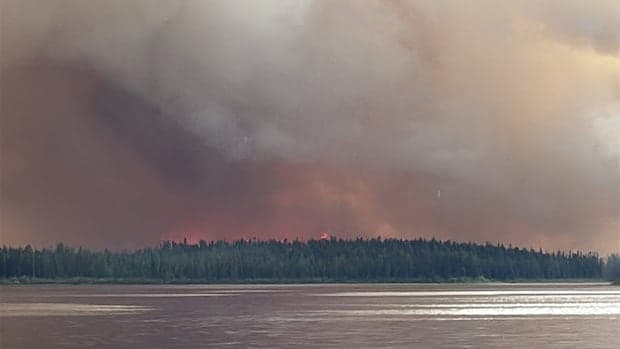
A surge of wildfire activity in northwestern Ontario has led Kasabonika Lake First Nation to declare a state of emergency and to begin evacuating vulnerable residents. The evacuation notice, issued over the weekend, applies primarily to elders, children, prenatal mothers, and individuals with medical conditions. Chief Matthias Anderson stated that preparations were underway to transport approximately 70 evacuees by air to southern Ontario, with flights scheduled to depart Sunday evening to Thunder Bay before proceeding to Toronto.
The escalation in regional wildfire activity followed widespread lightning strikes since Friday afternoon, resulting in the confirmation of more than 50 new wildland fires, according to updates from Ontario's Forest Fires Facebook page. By Sunday morning, the total number of active fires in northwestern Ontario had risen to 59. Of these, five new fires were identified within a 20-kilometre radius of Kasabonika Lake First Nation. These included Nipigon 16, a fire south of the community covering over 200 hectares, which authorities considered not under control as of the weekend.
Kasabonika Lake itself was surrounded by approximately six fires during the weekend, as reported by Chief Anderson. Two of these fires had ignited on Saturday and were directly impacting the community. Another significant blaze, Nipigon 12, was confirmed on Thursday and had grown to over 1,000 hectares. Both Nipigon 12 and Nipigon 16 were classified as not under control by provincial officials.
Chief Anderson highlighted that smoke from a southeast fire was entering the community, while a southwestern fire posed a risk to the area’s main transmission line. As a precaution, the grid line supplying power to Kasabonika Lake was shut down, forcing the community to rely on backup generator power. Anderson described the situation as fluid and stated that, while there were no immediate plans to evacuate the remaining residents, this could change depending on the evolving status of the fires and consultations with provincial authorities.
Kasabonika Lake First Nation is a remote community situated approximately 450 kilometres north of Sioux Lookout and 600 kilometres north of Thunder Bay. The community is part of Treaty 9 and is a member of the Shibogama First Nations Council. Its remote geography and lack of road access create logistical challenges for emergency response and evacuation planning.
The spike in wildfire activity has been attributed to a series of lightning storms that passed through the region late in the week. The Ontario Aviation, Forest Fire and Emergency Services released a statement on Saturday detailing the locations and status of the new fires, many of which remain out of control. This rapid increase in fire numbers has put additional pressure on provincial firefighting and emergency resources.
As of Sunday, authorities had confirmed that about 70 residents deemed most at risk would be relocated to southern Ontario for their safety. The selection criteria for evacuation prioritized elders, children, expectant mothers, and those with pre-existing health conditions, reflecting standard emergency protocols for wildfire-affected communities.
The fires' proximity to critical infrastructure, such as power transmission lines, added further complexity to the emergency response. The necessity to switch the community to generator-based power demonstrates the cascading impacts wildfires can have on remote and isolated communities, where alternatives to grid power are limited.
The Ontario government, through its aviation, forest fire, and emergency services, is monitoring the situation and providing information and logistical support. Community leaders are in ongoing communication with provincial officials to assess risk and determine if further evacuations will be required should fire conditions deteriorate.
The situation in Kasabonika Lake First Nation is part of a broader trend of increasing wildfire frequency and severity in northern Ontario, a pattern seen in recent years across Canada. Such incidents frequently require coordinated efforts between Indigenous leadership, provincial authorities, and federal agencies, especially when evacuations and prolonged displacement of residents are necessary.
The current response underscores the particular vulnerabilities of remote First Nations communities to wildfire threats, including challenges related to transportation, health care access, and infrastructure resilience. The outcome of the current emergency will likely inform future planning and preparedness for similar events in the region.
At present, there is no indication of injuries or loss of life associated with the fires near Kasabonika Lake, and the focus remains on protecting residents' health and safety while monitoring the fires' progress. The community and emergency officials continue to assess the situation as weather conditions and fire behaviour evolve in the days ahead.