Maritimes Gas Prices See Significant Overnight Increase
Consumers in Atlantic Canada face higher fuel costs as regional prices rise sharply
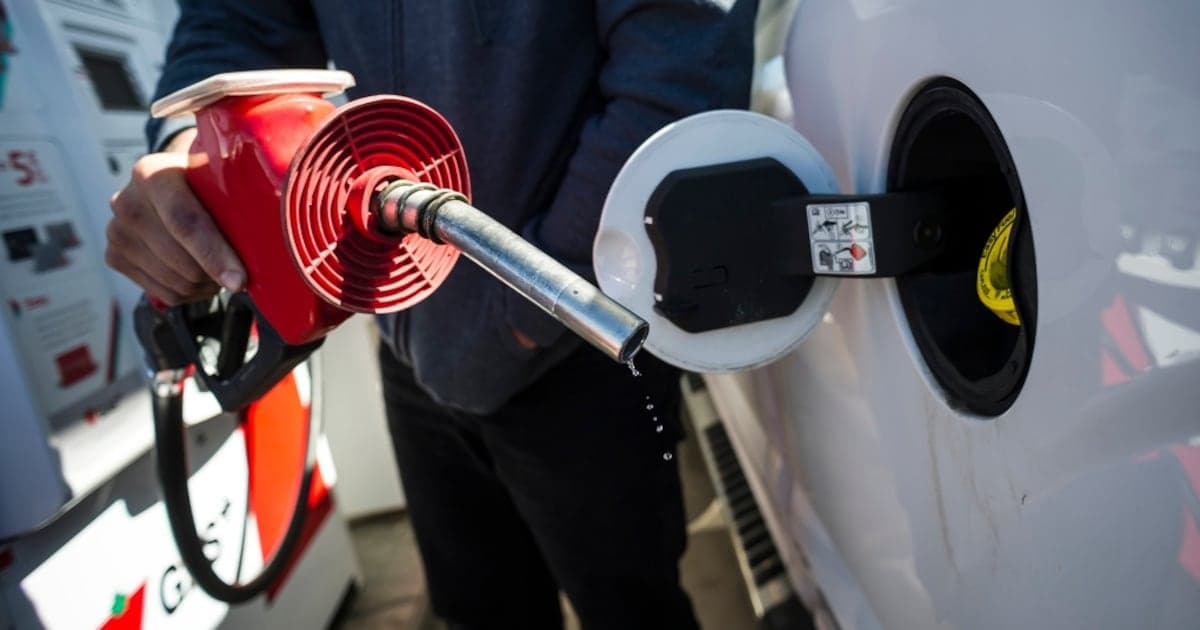
Gasoline prices across the Maritime provinces rose sharply overnight, resulting in higher costs for drivers and consumers in Atlantic Canada. According to CTV News reporting, residents in Nova Scotia, New Brunswick, and Prince Edward Island saw an immediate and marked increase at the pumps as of Thursday morning. The price adjustments were implemented by provincial regulators who set gasoline and diesel prices weekly, based on global market trends, exchange rates, and local supply factors.
In Halifax, Nova Scotia, the price for regular self-serve gasoline increased by 4.8 cents per litre, bringing the new average price to 171.9 cents per litre. In Cape Breton, the average price was reported at 173.1 cents per litre following the adjustment. Nova Scotia’s Utility and Review Board, which oversees fuel pricing in the province, attributed the increase to shifts in the global oil market and recent fluctuations in the Canadian dollar against the US dollar.
In New Brunswick, the Energy and Utilities Board set the new maximum price for regular gasoline at 174.4 cents per litre, an increase of 4.8 cents overnight. Diesel prices in the province also rose, with the new maximum set at 172.9 cents per litre, up by 7.2 cents. These adjustments were reflected immediately at gas stations throughout the province. The board reviews prices every Thursday, adjusting pump rates in response to changes in the benchmark price of refined petroleum products and currency exchange rates.
Prince Edward Island also experienced an increase in fuel prices. The Island Regulatory and Appeals Commission set the new price for regular self-serve gasoline at 175.6 cents per litre, up by 4.8 cents. Diesel prices on the island rose by 7.2 cents, reaching a new price of 174.4 cents per litre. The commission cited global oil market volatility and seasonal demand factors as contributing reasons for the price hike.
Industry analysts in the region pointed to several global developments impacting local fuel prices. Recent tensions in international oil markets, including supply constraints and geopolitical instability, have led to higher crude oil prices. The weakening Canadian dollar has also contributed to the increase, as oil is typically traded in US dollars, making imports more expensive for Canadian buyers.
Retailers and fuel distributors in the Maritimes have noted that price changes at the wholesale level are rapidly passed on to consumers due to the regulated structure of the market. Provincial regulators in each Maritime province use a formula that incorporates the New York Mercantile Exchange benchmark price for gasoline and diesel, as well as local market factors, to determine allowable weekly price adjustments.
For consumers, the overnight increase has led to higher weekly transportation expenses. The rise comes at a time when inflationary pressures are being felt across a range of goods and services in the region. Some drivers interviewed by local media expressed concern about the impact on household budgets and the cost of commuting, particularly in rural areas where alternatives to driving are limited.
Commercial operators, including trucking and delivery companies, have also indicated that rising diesel prices could increase operating costs. These costs may be passed on to consumers through higher prices for goods and services, adding to existing inflationary challenges in the region. Rural and remote communities, which often have fewer public transportation options, may be particularly affected by the increase in fuel prices.
Provincial governments in the Maritimes have acknowledged the upward trend in fuel prices but have indicated that the regulatory mechanisms in place are designed to reflect market realities and protect consumers from more volatile price swings. Some officials have pointed to existing rebate programs and tax credits intended to assist low-income households in managing increased energy costs.
Environmental groups in the region have noted that higher fuel prices could encourage greater adoption of alternative transportation methods and energy-efficient vehicles. They argue that sustained increases in gasoline and diesel prices may accelerate the shift towards electric vehicles and expanded public transit, but acknowledge that immediate impacts will be felt most by those who rely on personal vehicles for daily activities.
The price increase in the Maritimes mirrors broader trends across North America, where fuel prices have risen in response to international market disruptions, changing seasonal demand, and currency fluctuations. Industry experts suggest that prices may remain volatile in the coming weeks, with potential for further adjustments depending on developments in global oil supply and demand.
As of Thursday, the new fuel prices are in effect across Nova Scotia, New Brunswick, and Prince Edward Island, with regulators expected to continue monitoring market conditions and adjusting rates as necessary. Both consumers and businesses in the region are advised to anticipate ongoing fluctuations in fuel costs as market dynamics evolve.