Housing Affordability and Price Trends in Moncton, New Brunswick
An analysis of price points, buyer dynamics, and related costs in the Moncton area real estate market
Housing prices in Moncton, New Brunswick, have diverged from trends seen in larger Canadian provinces such as Ontario and British Columbia. While detached home prices in those areas have declined sharply—some by $200,000 to $300,000 from pandemic-era highs—Moncton’s market has continued to see growth. According to the Greater Moncton Residential Real Estate Board, the median price for detached homes sold in June was $394,200. This figure represents a 4.8 per cent decrease from the previous month, but a 6.5 per cent increase year over year. Compared to June 2019, before the pandemic-era surge, the median price is up 139 per cent.
Despite these significant increases, Moncton remains one of the more affordable regions in Canada. Detached homes in the area are priced at 48 per cent less than the national median, which was $744,110 in May, as recorded by the Canadian Real Estate Association. The question arises as to what such a price point actually purchases in the current Moncton market.
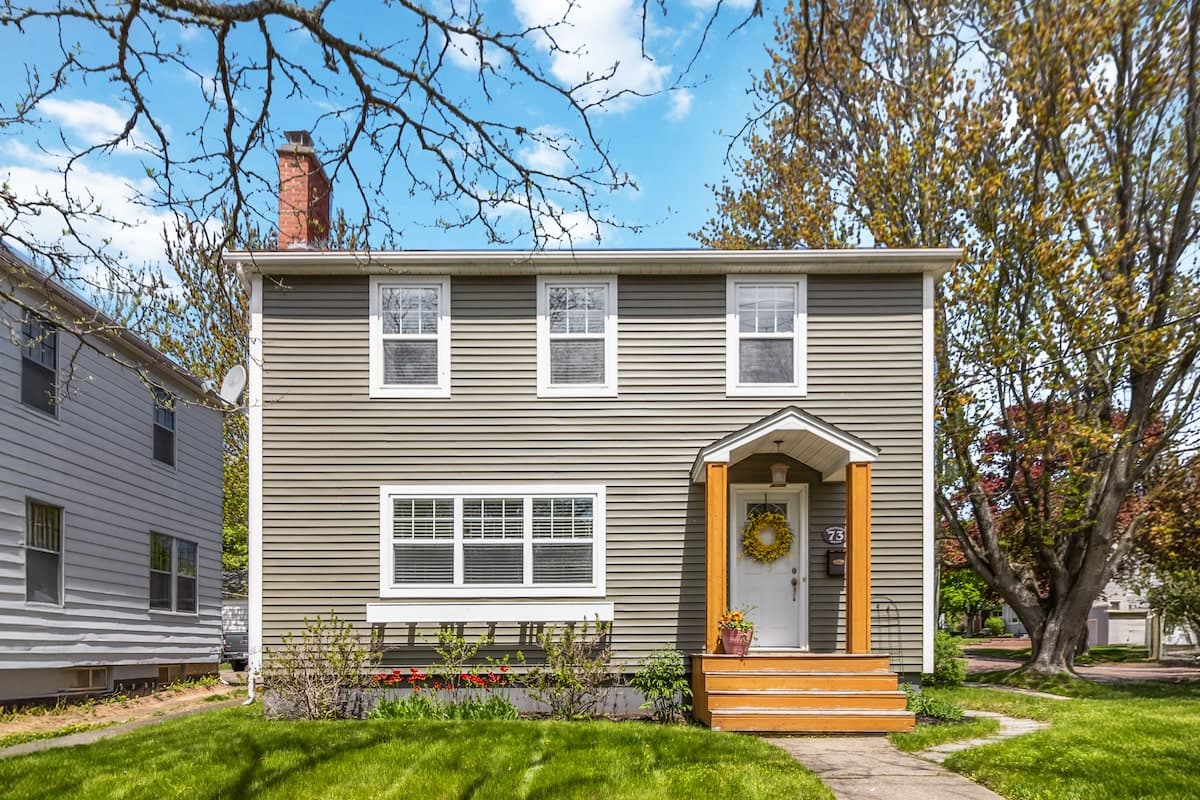
A representative example can be found at 73 Burlington Ave., Moncton, where the asking price is $389,900. The property is located in a neighbourhood just west of Central Moncton and north of Jones Lake. The home, described by realtor Mike Doiron of Exit Realty Associates, is a box-style house from the 1950s, just under 1,400 square feet, with an unfinished basement, four bedrooms, and one bathroom. According to Doiron, the type of buyer who can afford this kind of property has changed considerably during his 17 years in the industry.
Doiron notes that "Moncton people are starting to be house-poor," pointing to the average family income in Moncton, which is around $82,000 per year. Income growth has not kept pace with the cost of housing over the last six years. Previously, when homes cost about half as much, a family approved for a $340,000 mortgage could afford a home along with additional expenditures such as multiple vehicles and vacations. Now, buyers are often parents purchasing homes for adult children to share, or are stretching their finances to the upper limit of their borrowing capacity. Doiron remarks, "The bank’s comfortable with you being house poor."
The Burlington Avenue property is situated on a corner lot, approximately one and a half times the average size for the area. This has potential significance as zoning changes in the region are making it possible to add two additional dwelling units on residential lots. Buyers may consider creating in-law suites or accessory dwelling units (ADUs) to share costs or generate rental revenue, strategies that can make home ownership more financially viable and contribute to increasing the local housing supply.
Outside of Moncton proper, buyers can find different value propositions. In Salisbury, located about 25 kilometres west of Moncton, a detached home at 8 Gordon St. is listed for $439,900. According to Dennis Wilson, realtor with Keller Williams Capital Realty, this 2,200-square-foot home sits on roughly a quarter-acre of land and has recently undergone a $10,000 price reduction. The house features a finished basement suitable for multi-generational living, which Wilson indicates has become "almost entry-level" for buyers seeking features like a garage.
Wilson attributes Moncton’s price surge in the early 2020s to its status as an economic hub in the Maritimes, which attracted both newcomers from other Canadian provinces and international buyers seeking job opportunities and affordable property. While the influx has slowed, there remains ongoing interest from those looking for alternatives to higher-priced Canadian markets. Wilson observes that some new arrivals ultimately decide to sell after a few years, potentially due to the carrying costs associated with property ownership in the region.
One of the key ongoing expenses for homeowners in Moncton and its surrounding areas is property tax. Wilson points out that property taxes in the region are among the highest in Canada. For example, the annual property tax bill for the Gordon Street home is $4,246.66. While this is just over half of what a similar-sized house would incur in a Toronto-area suburb, it is notable given that the Moncton-area home itself costs nearly a third of what a comparable Toronto home would. In addition to taxes, Wilson highlights the "pretty high cost of utilities" such as gas and electricity, which can surprise buyers coming from other provinces.
Wilson remarks that while the purchase price of homes in the Moncton area may seem low relative to parts of British Columbia, Ontario, and Quebec, the associated carrying costs can be comparatively high. He notes that "a lot of [out-of-province buyers] come down and love it, but I don’t think some people think things through fully" regarding the full range of ongoing expenses.
The evolution of Moncton’s housing market is thus characterized by a juxtaposition of rapidly rising home values, shifting buyer demographics, and persistent affordability relative to larger national markets. The region’s changing zoning environment, high property taxes, and utility costs are shaping the way both local and out-of-province buyers approach home ownership. The area’s experience reflects broader national trends, while also highlighting the unique financial and social dynamics at play in smaller Canadian urban centres.