Flooding in Manitoba's Parklands: Causes, Impacts, and Ongoing Response
Western Manitoba communities contend with receding waters after severe rainfall and displacement
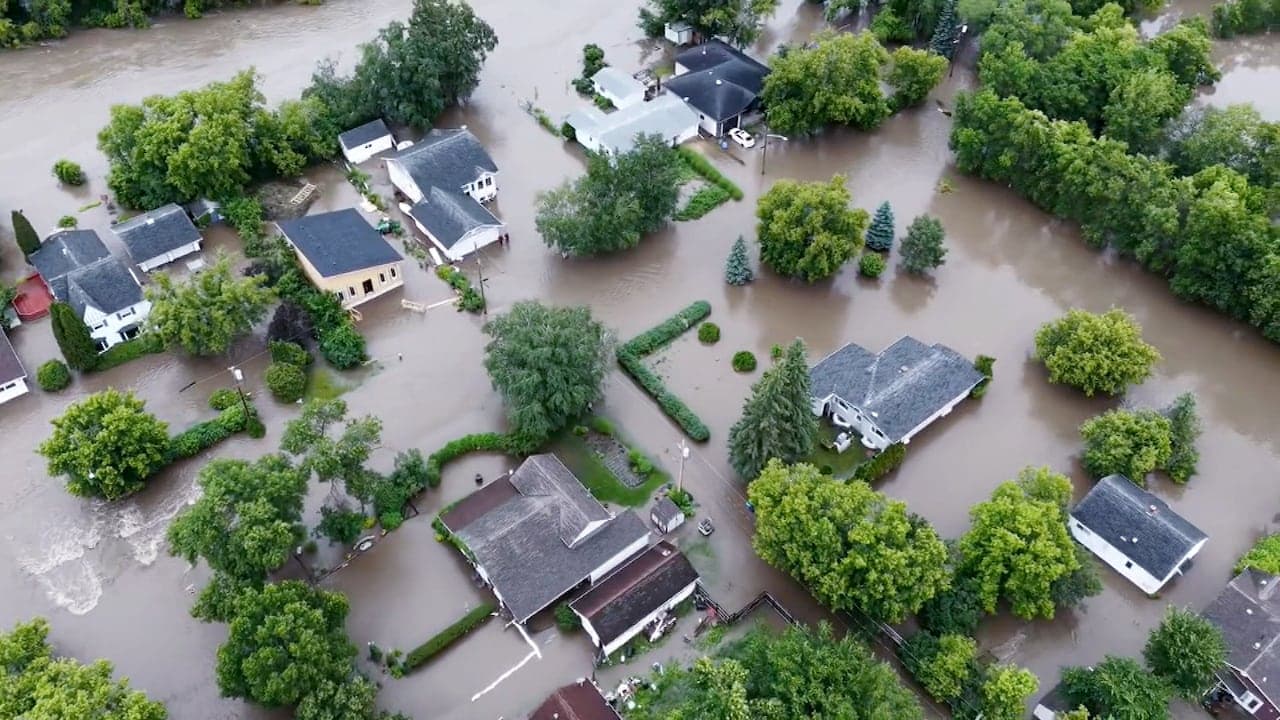
Severe flooding has affected communities across Manitoba's Parkland region and beyond, with significant impacts reported in areas such as Swan River, Minitonas, Dauphin, Brandon, and Portage la Prairie. The flooding event followed several days of heavy rainfall across western and southern Manitoba, which led to rising water levels in rivers, creeks, lakes, and drainage systems.
Geography and climate change have both contributed to the severity of the flooding, according to CBC reporting. The Parkland area, characterized by its low-lying terrain and proximity to multiple watercourses, is particularly susceptible to overland flooding during periods of intense rainfall. In addition, experts have pointed to climate change as a factor in the increasing frequency and intensity of such extreme weather events in the region.
The provincial government stated in its latest flood bulletin that, as of Wednesday, water levels on most rivers and creeks had peaked and were beginning to recede. However, some communities, including Brandon and Portage la Prairie, had not yet reached their peak water levels at that time. The province emphasized that Manitoba remained in an active flood response phase, with high water levels persisting in some waterways and flood-related impacts continuing in affected communities.
Forecasts indicated that no significant rainfall was expected in the following several days, which was expected to provide relief to the hardest-hit communities. The lack of additional precipitation was seen as a positive development by emergency officials, as it allowed response efforts and water levels to stabilize.
The flooding forced evacuations in the Parkland region, with multiple residents displaced from their homes. Swan River, located further north, experienced significant flooding last week, resulting in flooded basements and the evacuation of some residents. The town has since begun cleanup operations as waters recede.
The provincial government reported that more than 60 highways across Manitoba were closed at the peak of last week's rainfall, disrupting transportation and access to affected areas. The closures had a ripple effect on local economies and emergency response logistics, as access to some communities was temporarily limited.
In response to the flooding, a team from the Canadian Armed Forces arrived in the region over the weekend to assist with emergency operations. The military provided support to local authorities in managing flood response activities, including evacuation, sandbagging, and logistical coordination.
The situation in Brandon and Portage la Prairie remains of particular concern, as these communities had not yet experienced peak water levels as of the latest bulletins. Authorities in these areas were preparing for potential further impacts, including additional evacuations and infrastructure stress.
The province issued an overland flood watch for parts of western and northwestern Manitoba in advance of the forecasted rain, highlighting the ongoing risk and the need for continued vigilance. Flood watches and warnings were communicated through media and government channels to keep residents informed and prepared for possible developments.
Residents in affected areas have reported significant property damage and emotional distress as a result of the flooding. CBC described the situation as causing 'a lot of heartbreak' in the Parkland region, with both immediate and longer-term recovery needs anticipated.
The flooding event has revived concerns about the vulnerability of Manitoba's western communities to extreme weather, particularly in light of the increasing frequency of such events. Discussions around mitigation, infrastructure resilience, and climate adaptation are expected to continue as the region assesses the full impact of the 2026 floods.
Authorities continue to monitor water levels and coordinate recovery operations, with the provincial government emphasizing that the flood response remains active despite receding waters in many areas. Ongoing assessments will determine the full extent of damage and the next steps for recovery and support for affected residents.