Federal Government Announces $10 Million for AI Expansion in Manitoba
Funding package supports construction sector and five Manitoba businesses through loans and grants
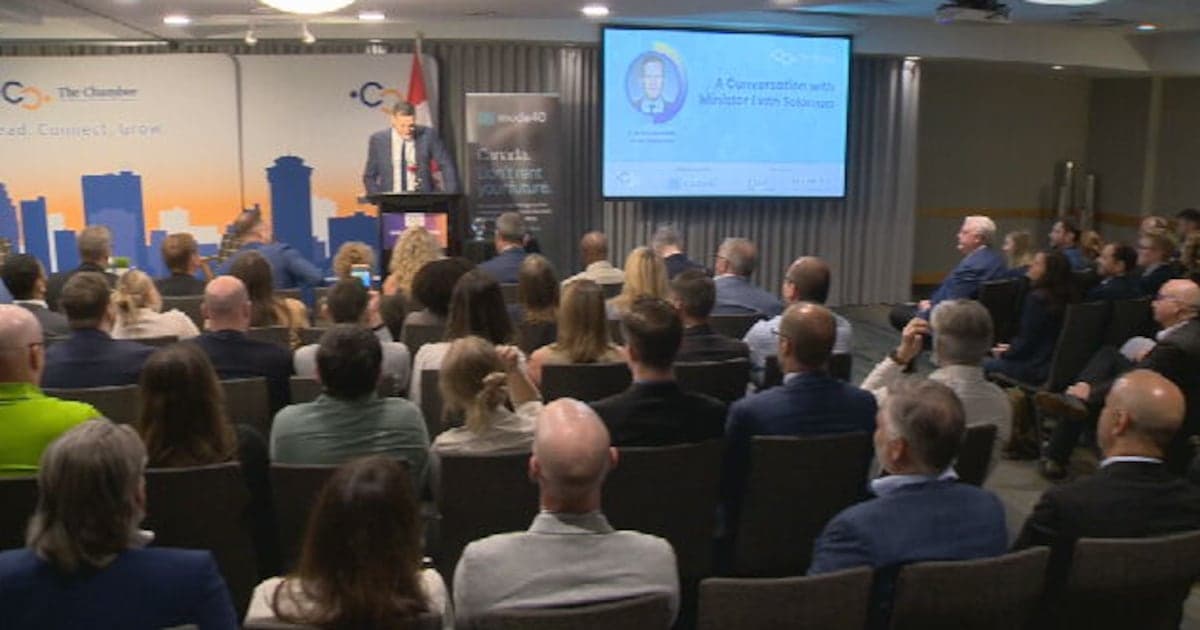
The federal government has announced a funding package totalling $10 million intended to support the adoption and expansion of artificial intelligence (AI) technologies in Manitoba. The announcement was made by Minister of AI, Evan Solomon, during an event hosted by the Winnipeg Chamber of Commerce. The funding is part of the federal government's ongoing AI strategy and is being distributed through Prairies Economic Development Canada (PrairiesCan), a federal department focused on business growth, innovation, and regional economic development across the Prairie provinces.
The Manitoba Construction Sector Council is set to receive more than $1 million through the regional innovation ecosystems program. This funding will support the creation of a drone and sensor library, aimed at providing small and medium-sized construction companies with access to advanced equipment, hands-on training, and technical support. According to Minister Solomon, the initiative is intended to enable construction companies to gather better data from job sites, thereby improving productivity, safety, planning, and execution.
In addition to the grant provided to the construction sector, five Manitoba-based companies will receive interest-free loans totalling approximately $9 million under PrairiesCan’s business scale-up and productivity program. The companies and the amounts allocated include Taiv, which will receive a $5 million loan to grow its business that offers AI-driven technology enabling companies to replace television ads with local advertising. ExpensePoint, an expense-management platform, will receive close to $2.3 million to modernize and automate its platform for handling receipts, approvals, and reimbursements.
Mode40 has been allocated an $800,000 loan to expand its AI-powered factory control software business. Aryval, which provides event and enrolment management platforms for private and independent schools, will receive $500,000 to hire staff, strengthen cybersecurity, and pursue new markets. Construction Clock is set to receive over $470,000 to adopt AI technology in its products, including developing an AI-enhanced tool for automatically tracking staff work hours.
During the Chamber of Commerce event, Amanda Buhse, chair of the chamber’s board, polled the audience—approximately 200 people—on their daily use of AI at work, with most attendees indicating they already use the technology. The chamber’s CEO, Loren Remillard, commented that, while Canada is currently behind other OECD countries in AI adoption by businesses, there is potential for rapid advancement. The Manitoba Chamber of Commerce operates a program called Manitoba AI Pathways, which provides AI workshops that have seen strong demand, with around 600 participants to date.
Remillard noted that Manitoba businesses, reflecting national trends, have work to do in capitalizing on AI opportunities. He stated, "We're in pretty in line with where the country is, which is behind other countries in the OECD." Remillard and Minister Solomon both observed that hesitancy around adopting AI in Canada is partly due to concerns about job losses. However, they pointed to current evidence suggesting that has not been the experience so far.
A recent analysis by the Bank of Canada indicated that, to date, firms have reported minimal impact on jobs from AI adoption, though they expect a modest negative impact over the next three years. Minister Solomon stated that the funding announced is expected to create 171 jobs in Manitoba.
Remillard characterized AI as a tool comparable to the calculator, suggesting it enables organizations to operate more effectively. He added, "An accountant who uses AI will replace an accountant who's not using AI."
The investment aligns with the federal government's broader AI strategy, which is focused on enhancing Canadian competitiveness in emerging technologies while supporting regional economic development. The allocation of both grants and interest-free loans is intended to lower barriers for smaller firms and facilitate the integration of AI across various sectors, including construction, manufacturing, advertising, and administrative services.
PrairiesCan’s involvement underscores the regional focus of the initiative, seeking to drive innovation and economic growth in the Prairie provinces, with Manitoba as a current focal point. The drone and sensor library for construction firms represents an example of infrastructure investment aimed at increasing accessibility to advanced technologies for smaller enterprises that may otherwise lack the resources for such adoption.
The range of companies receiving loans reflects the diversity of AI applications being supported, from automating business administration to enhancing operational efficiency in factories and expanding digital advertising technologies. The interest-free nature of the loans is designed to encourage companies to take on innovation projects without incurring additional financial risk.
For the federal government, the announcement signals an intention to address both the technological and economic aspects of AI adoption. It highlights the balance between fostering innovation and addressing public concerns regarding employment and automation.
Stakeholders from the business community have expressed both optimism about the opportunities AI presents and recognition of the challenges associated with adoption. The Chamber of Commerce’s ongoing educational programs indicate significant interest and demand for practical guidance on AI integration.
Overall, the federal investment is positioned as a strategic effort to accelerate Manitoba’s and Canada’s capacity to compete in the global AI landscape while supporting job creation and industry modernization.