Fallen N.W.T. Wildfire Fighters Identified After Fatal Plane Crash
Authorities release names and details of two victims as investigation continues
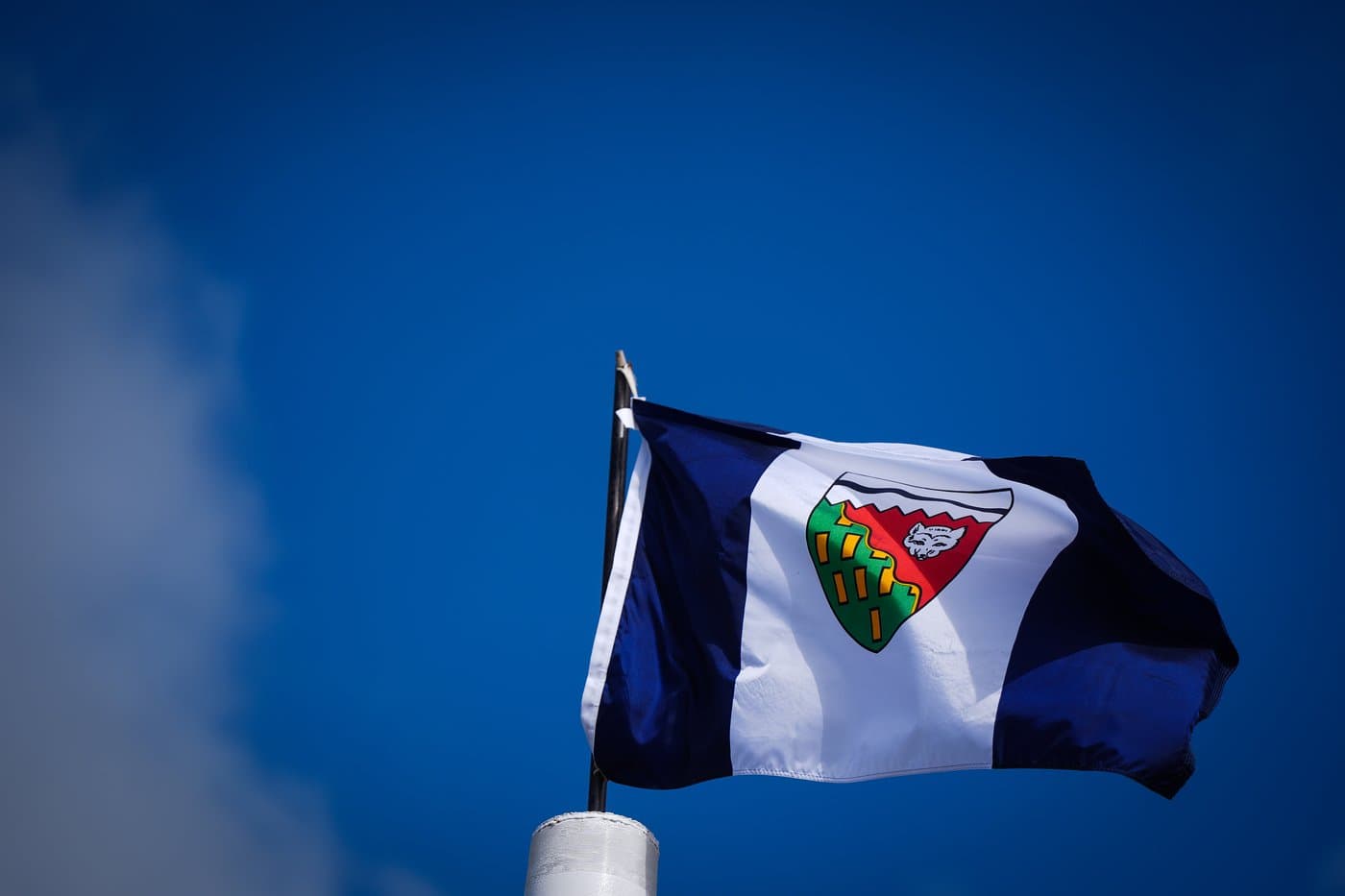
Two of the three individuals who died in a plane crash while engaged in wildfire suppression efforts in the Northwest Territories in late June have been identified. According to N.W.T. Fire, the victims are Olivier Lamy and Ryan Beck, who were killed in the accident on June 24. The incident involved a Turbo Commander 690 aircraft, which crashed approximately 50 kilometres from Fort Simpson, a community located west of Yellowknife.
The Royal Canadian Mounted Police (RCMP) reported the details of the crash location following the incident. Buffalo Airways, an aviation company involved in aerial firefighting operations in the region, subsequently confirmed that one of its aerial firefighting pilots was also among those who died in the crash. The names of Lamy and Beck were released after consultation with and permission from their families.
N.W.T. Fire provided further information regarding the backgrounds of the two men. Olivier Lamy was serving as an air attack officer at the time of the crash and had previous experience fighting wildfires with Parks Canada. Ryan Beck was identified as being in his second season as an air attack officer trainee, contributing to wildfire suppression efforts in the territory.
In a message shared through its public communications, N.W.T. Fire stated that the loss of Lamy and Beck is "a wound that cannot be repaired and is felt far and wide in the wildfire community." The agency highlighted the nature of their work and sacrifice, emphasizing that they "lost their lives in the line of duty protecting people and communities across the N.W.T. All were responsible for courageous acts of service to this territory few could imagine."
Wildland firefighting in Canada, particularly in remote and northern regions such as the Northwest Territories, involves considerable operational complexity and risk. Air attack officers play a key role in coordinating aerial fire suppression tactics, directing aircraft and ground crews to contain and control wildfires. Trainees like Beck are typically mentored by experienced personnel and are exposed to rigorous safety protocols, though the inherent dangers of the job persist.
The crash underscores the hazards faced by those who undertake aerial firefighting missions. Aircraft such as the Turbo Commander 690 are commonly used in these operations, tasked with reconnaissance, command, and direct firefighting duties. These flights often occur in challenging conditions, including poor visibility, variable weather, and rugged terrain.
The deaths of Lamy, Beck, and the unidentified Buffalo Airways pilot mark a significant incident in the ongoing wildfire season in the Northwest Territories. The region has experienced an increase in wildfire activity in recent years, attributed by experts to a combination of climatic trends and natural factors. This has placed additional demands on both ground and aerial firefighting resources.
The response from the wildfire management community and local authorities reflects the impact of the loss on both professional and personal levels. Statements from N.W.T. Fire and other involved entities have focused on recognizing the dedication and service of the individuals involved, while support mechanisms for affected families and colleagues have been initiated.
Investigations into the causes of the crash are ongoing, with the RCMP and relevant aviation safety authorities expected to examine factors such as weather, mechanical condition of the aircraft, flight records, and crew experience. Such investigations aim to determine contributory causes and to inform future safety measures for wildfire suppression operations.
The incident has prompted renewed attention to the risks associated with wildfire suppression, particularly in northern and remote communities where access and logistical challenges are pronounced. Stakeholders, including territorial authorities, aviation companies, and firefighting agencies, continue to assess operational protocols and support systems for personnel engaged in high-risk missions.
As the wildfire season progresses, the community in the Northwest Territories and the broader firefighting sector continue to recognize the contributions and sacrifices made by those involved in protecting lives and property. The process of memorializing the fallen and reviewing safety procedures is expected to continue as investigations proceed and new operational lessons are drawn from the incident.