Extreme Weather Drives Up Cost of Living for Canadians
Insurance premiums, disaster relief, and infrastructure face mounting pressures amid climate-fuelled catastrophes
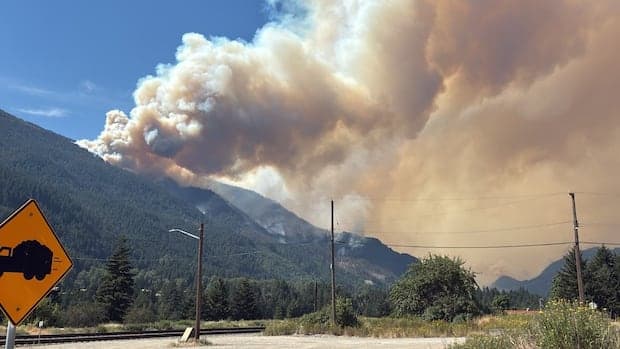
Extreme weather events have become a significant factor in increasing living costs for Canadians, as detailed in a recent Statistics Canada report. The country has experienced a series of high-impact incidents, including wildfires in British Columbia and the Northwest Territories, floods in Manitoba, and heat waves in Eastern Canada, all occurring by early July of the referenced year. These events not only cause devastation for affected communities but also exert sustained financial pressure on Canadians, notably through rising insurance premiums and increased public spending on disaster relief.
According to Aaron Sutherland, Pacific vice-president of the Insurance Bureau of Canada, Canada is experiencing a new weather reality, characterized by hotter, drier summers and warmer, wetter winters. These changes contribute to more extreme wildfires and intense flooding. The Statistics Canada analysis attributes the escalation of such weather events to climate change.
Historically, Canadian insurers paid out a few hundred million dollars annually for storm, wildfire, and flood claims. In recent years, this figure has exceeded $2 billion per year. The cost peaked at nearly $10 billion in one year, resulting in upward pressure on insurance premiums across the country. These premiums are paid directly by homeowners and indirectly by renters, through increased landlord costs.
Between December 2019 and December 2025, home and mortgage insurance premiums rose by 45 percent, more than double the 21 percent increase in the all-items Consumer Price Index over the same period. While insurance premiums have traditionally outpaced inflation due to rising construction costs and housing prices, the report notes that extreme weather has become one of the dominant forces reshaping the home insurance market in Canada.
The year 2024 marked the highest level of catastrophic weather claims in Canadian history, totalling $8.6 billion. It was also the hottest year on record, both in Canada and globally. Four major events, three occurring within a 30-day span, accounted for more than $7 billion in insured losses: a hailstorm in Calgary ($3 billion), the wildfire that destroyed Jasper ($1.1 billion), flooding in Quebec from torrential rains and a water main break ($2.7 billion), and flooding in Ontario ($990 million). The report highlights that eight of the ten most costly weather events in Canada have occurred since 2013.
The second costliest year for extreme weather claims was 2016, primarily due to the Fort McMurray wildfire. Alberta has featured prominently in the list of expensive weather-related incidents, a trend that has driven home and mortgage insurance premiums in the province higher than in any other. Some insurers operating in Alberta were not profitable in 2024. Sutherland described Alberta as the 'catastrophe capital' of Canada for several years.
Flooding has emerged as the most frequent and expensive natural disaster in the country over the past five years, significantly contributing to rising insurance losses. Notable incidents include the 2021 atmospheric river event in British Columbia and heavy flooding in Central and Eastern Canada in 2024. Over the last decade, insurers have paid $9 billion for flood damages, with nearly half of that total occurring in 2024 alone.
The costs reported by Statistics Canada reflect only those paid out by insurers. Uninsured losses, which frequently include damage to municipal infrastructure, are generally higher and are covered by various levels of government, primarily through the federal Disaster Financial Assistance Arrangements Program. Since its inception in 1970, the program has paid out more than $14 billion, according to the Parliamentary Budget Officer. The office projects the program’s annual cost will rise from an average of $881 million between 2010 and 2024 to $1.8 billion per year from 2025 to 2034.
In April 2025, the federal government increased disaster assistance funding to cover 90 percent of disaster mitigation costs in high-risk areas of provinces and 100 percent in the territories, according to Public Safety Canada. This policy aims to incentivize provinces and regions to invest in resilient infrastructure and future-proofing against extreme weather.
Sutherland emphasized that adaptation, especially in municipal infrastructure, is crucial for managing costs. He noted that while infrastructure upgrades such as new storm sewers may attract little public attention, they are necessary to address the inadequacies of aging systems in coping with increased rainfall and other climate-related stresses.
The Statistics Canada report underscores that simply rebuilding with the same materials and designs after a disaster is insufficient. Instead, investments in more resilient construction and adaptation strategies are necessary to mitigate future losses and curb rising insurance costs.
While 2025 saw a temporary reprieve due to less extreme weather, resulting in comparatively affordable home insurance and a competitive marketplace, the Insurance Bureau of Canada projects that years similar to 2024 are likely to become more common as climate patterns evolve.
The rising cost of insurance and the need for substantial public spending on disaster recovery and mitigation have policy implications for all levels of government. The burden of uninsured losses, often absorbed by taxpayers, points to the interconnectedness of private insurance markets and public fiscal responsibility in the context of extreme weather.
The increasing frequency and severity of catastrophic events present ongoing challenges for Canadians, affecting not only immediate out-of-pocket expenses but also the broader economy and public infrastructure. As governments, insurers, and individuals confront these trends, adaptation and investment in resilience remain central themes in efforts to contain costs and manage risk over the coming years.