Events Return to Bible Hill Exhibition Grounds Amid Renewed Community Collaboration
Nova Scotia Provincial Exhibition and Fibre Arts Show Proceed Following Lease Uncertainty
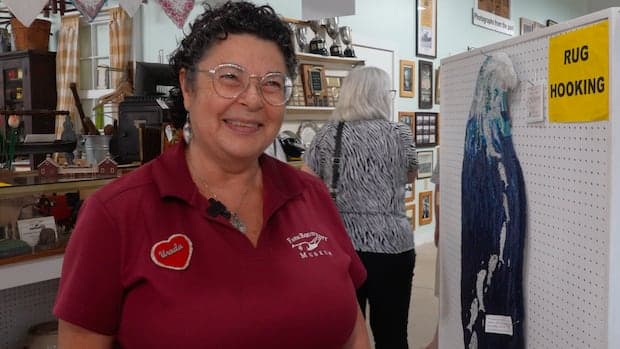
The Bible Hill exhibition grounds in Nova Scotia are seeing the return of community events after a period of uncertainty regarding the future of the site and its long-term tenants. This weekend, fibre arts will feature prominently as planning for the Nova Scotia Provincial Exhibition intensifies, following the resolution of concerns over the status of leases for groups operating at the grounds.
Ursula Ryle-Gulliver, a volunteer with the Farm Equipment Museum, stated that despite earlier doubts, the third annual quilt and hooked rug show and sale would proceed at the exhibition grounds. In April, the museum and other organizations with long-term leases received notification from the Central Nova Scotia Civic Centre Society, which previously managed the grounds, that their agreements were to be terminated. Ryle-Gulliver clarified that the museum maintains a separate agreement with the province of Nova Scotia, allowing its continued presence at the site. She emphasized the importance of continuity, saying, “We were just happy to be able to tell people, yes, we're here. We're back at it, we're going to keep going. And so keep coming and visiting.”
The fibre arts show features quilts, hooked rugs, other fibre art items, and supplies available for purchase. The event also offers a live quilting demonstration and displays vintage quilts suspended from the museum’s ceiling. Ryle-Gulliver, who is also a rug hooker, described the intrinsic link between the history of agriculture presented at the museum and the fibre arts showcased during the weekend. According to her, rural farm life is about resourcefulness, with farm women reusing old clothing to create useful and functional items that also express individual creativity through choices of colour and design.
The show continues through Saturday, with the Colchester County 4-H raising funds via a canteen. On Friday, the Truro Raceway, a tenant of the exhibition complex, hosted a Colchester County 4-H appreciation night. The 4-H youth group, which relies on access to the exhibition grounds for its activities, is also playing a significant role in planning the upcoming Nova Scotia Provincial Exhibition, scheduled for August 12 to 16.
Previously, the Central Nova Scotia Civic Centre Society organized the Provincial Exhibition, but its management agreement has ended. A new planning committee has formed, chaired by Shelly DeViller, who is also affiliated with Colchester County 4-H. The committee includes representatives from the Truro Raceway, Farm Equipment Museum, and Bible Hill Kinsmen. DeViller described a collaborative approach, stating, “We have meetings every Tuesday evening. There's somebody new who's come to the table and say, hey, I have experience in this. Can I help?”
The 2024 Nova Scotia Provincial Exhibition will include a range of activities such as 4-H shows, an interactive agriculture showcase, a goat show, demolition derby, antique car show, ATV drag races, carnival rides, live music, and food vendors. The event is being funded by a combination of an anonymous $50,000 donation, sponsorships, and grants, including $8,000 from the Central Nova Scotia Tourism Development Society. Profits generated from the exhibition will support Colchester County 4-H and contribute to a legacy fund intended for future exhibitions.
DeViller highlighted the community-driven nature of the event’s revival, attributing its success to the involvement of local stakeholders. She remarked, “This is now living proof of what can happen in a community when we have all of the community stakeholders at the table together, we are creating something really pretty special because of the community partnerships.”
The recent developments at the Bible Hill exhibition grounds follow a period of uncertainty after the termination notices were issued to long-standing tenants. While the Central Nova Scotia Civic Centre Society previously managed the site and organized events, the new arrangement is characterized by direct involvement from local groups and a focus on collaborative planning.
The Farm Equipment Museum, as one of the key stakeholders, maintains its role not only as a preserver of agricultural history but also as a venue for community events that reflect the broader rural culture. The connection between the museum’s exhibits and the ongoing fibre arts show illustrates the integration of agricultural and domestic traditions within the region.
The 4-H organization remains a central participant, both as an event beneficiary and as an active planner. Its appreciation night at the Truro Raceway and fundraising efforts during the fibre arts show underscore its continuing engagement with the exhibition grounds.
The financial structure of the upcoming exhibition, combining private donations, grants, and community sponsorships, reflects a diversified approach to event funding. The establishment of a legacy fund is intended to provide sustainable support for future exhibitions, ensuring the continuation of the event regardless of changes in management or organizational structure.
The series of developments at Bible Hill have broader significance for community-led cultural and agricultural events in Nova Scotia. The shift from centralized management to a partnership model among local organizations is seen by organizers as a means of strengthening community ties and ensuring the viability of the exhibition grounds as a hub for regional activities.
The ongoing planning process, regular meetings, and outreach for additional expertise indicate an adaptive approach to event organization. The inclusion of new participants and the willingness to draw on a variety of skill sets reflect a collective effort to address previous uncertainties and secure the future of the Provincial Exhibition and related events.
The events at Bible Hill exhibition grounds, including the fibre arts show and the forthcoming Provincial Exhibition, serve as focal points for community engagement, celebration of agricultural traditions, and support for youth development programs. The process undertaken by organizers and stakeholders in reestablishing these events illustrates the mechanisms by which local communities can address organizational challenges and continue longstanding traditions.