Emergency Response Activated as Moncton Faces Overdose Surge
Officials coordinate efforts amid persistent drug toxicity and rising calls for intervention
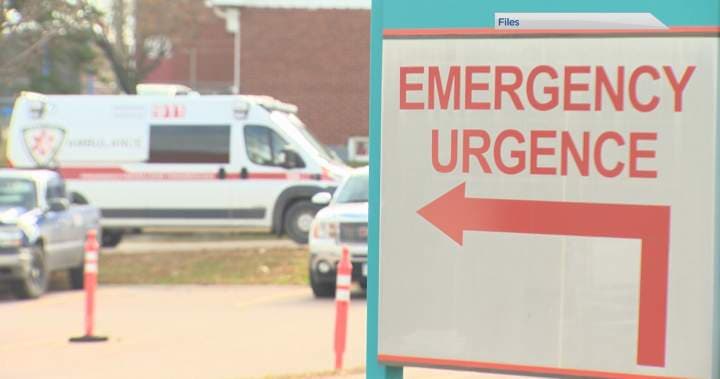
A sustained increase in drug overdoses in Moncton has prompted the New Brunswick government to activate a Level 1 emergency response through its Emergency Measures Organization (EMO), a measure typically reserved for natural disasters such as floods and wildfires. The decision follows several weeks of elevated overdose calls in the Greater Moncton area, leading the Department of Health to seek EMO's assistance in coordinating a multi-agency response.
According to Kyle Leavitt, director of New Brunswick’s EMO, the organization’s role is to use its resources and contacts to support the efforts of other agencies and community organizations. Rather than deploying additional personnel, the EMO aims to facilitate information-sharing among provincial health officials, the Department of Social Development, municipal representatives, and frontline community groups. This collaborative approach is intended to identify resource gaps and ensure that the system is prepared to escalate its response if the situation worsens. Leavitt stated that the EMO stands ready to move to Level 2 or 3 activation, which would involve a partial or full emergency operations centre and an expanded team for planning and coordination.
The increase in overdoses has been attributed to a highly toxic and unpredictable illicit drug supply, with combinations of opioids, benzodiazepines, and the veterinary tranquilizer medetomidine being detected in the region. Josue Goguen, a frontline supervisor at Ensemble Moncton, the city’s only overdose prevention site, indicated that recent overdoses may be linked to tranquilizers not intended for human consumption being present in street drugs. This development has made drug use riskier and presented new challenges for overdose reversal, as substances like medetomidine can cause prolonged sedation and may not fully respond to naloxone, the standard emergency antidote for opioid overdoses.
Earlier in the month, Moncton’s fire chief reported that the department responded to 52 overdose calls over a single weekend, compared to the usual four or five calls per day. Ambulance New Brunswick has noted the challenges associated with responding to suspected overdose incidents, emphasizing the importance of early intervention. Christianna Williston, a spokesperson for Ambulance New Brunswick, advised that anyone witnessing or suspecting an overdose should call 911 immediately, as prompt notification allows paramedics to assess and treat patients more effectively.
The current situation in Moncton is not isolated, as similar increases in overdose cases have been observed in neighbouring provinces. Officials in New Brunswick are maintaining active communications with their counterparts in Nova Scotia, where Public Health has issued several drug alerts in response to the appearance of the toxic supply in communities such as Amherst. Dr. Cristin Muecke, Northern Zone Regional Medical Officer of Health with Nova Scotia Health, reported that while such drug mixtures have been seen in the province before, the frequency has increased, and the trend appears to be ongoing. She noted that the unpredictability of the illicit supply has made it increasingly difficult to anticipate and respond to public health risks.
Frontline workers in Moncton have described the situation as persistent and taxing. They report that the influx of overdose cases has continued into a fourth consecutive week, with consistent demand for emergency and harm reduction services. Staff at Ensemble Moncton indicate that the crisis is taking a significant toll on both clients and workers, citing increased stress, burnout, and concern for community safety.
The complexity of the current crisis lies in the evolving nature of the substances involved. The presence of medetomidine, a veterinary tranquilizer, alongside opioids and benzodiazepines, introduces complications for overdose management. The combination can result in sedation lasting for hours and can blunt the effectiveness of naloxone, meaning that standard protocols may not be sufficient to address all cases. Health officials and harm reduction advocates acknowledge that these drug mixtures are likely to persist in the illicit market for the foreseeable future.
Authorities have highlighted the importance of inter-agency cooperation, not only within New Brunswick but also across provincial borders. As new information about the drug supply becomes available, officials are sharing data and coordinating public health messaging to inform both the public and service providers. This regional approach is seen as necessary given the mobility of drug supplies and users between communities in the Maritimes.
While the emergency response remains focused on Greater Moncton, other urban centres such as Saint John are also being monitored for similar trends. The EMO’s activation is designed to be scalable, allowing the province to adjust its level of intervention as circumstances evolve. Leavitt has indicated that the organization is prepared to escalate its response if case numbers or the severity of the crisis increases.
From the perspective of health professionals, the crisis underscores the challenges posed by a drug supply that is both increasingly potent and unpredictable. The unpredictability complicates clinical management of overdoses and increases risks for users, many of whom may be unaware of the substances present in what they are consuming.
Harm reduction advocates are calling for sustained support for overdose prevention sites and greater access to resources. They argue that consistent funding, improved drug-checking capacity, and expanded public education are required to address both the immediate crisis and its underlying drivers. There is also recognition among officials that gaps in housing, mental health care, and addiction treatment contribute to the ongoing vulnerability of affected populations.
The coordinated emergency response in Moncton represents a shift in how provincial authorities are addressing the overdose crisis, moving from routine public health interventions to a whole-of-government approach. This reflects both the scale of the current challenge and the limitations of existing systems in managing a rapidly changing drug environment. As the crisis continues to unfold, officials, service providers, and advocates are assessing the effectiveness of current strategies and considering further measures to mitigate harm and prevent further loss of life.