Eastern Massasauga: Ontario's Only Venomous Rattlesnake and Where to Find It
Sightings, Habitats, Risks, and Conservation of a Rare Native Species
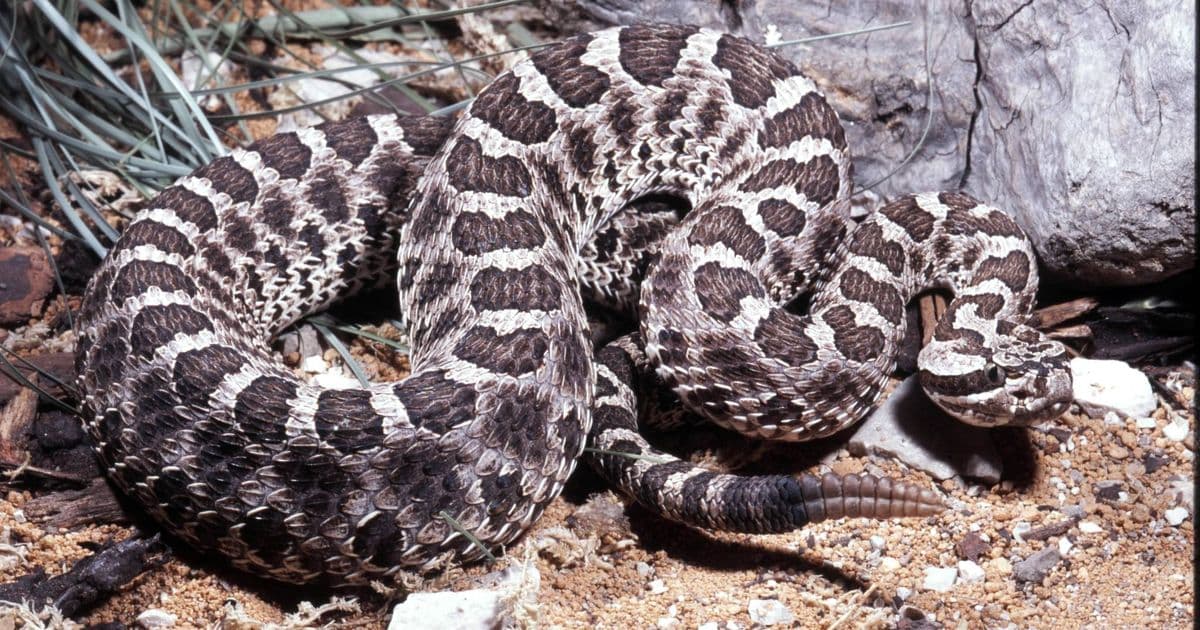
With the onset of summer, activity among Ontario's only venomous snake, the Eastern Massasauga rattlesnake, increases across the province. The Eastern Massasauga is the sole rattlesnake species in Ontario and the only native snake capable of delivering a venomous bite that can be medically serious for humans. According to the biodiversity platform iNaturalist, sightings of the Eastern Massasauga typically peak between June and September, coinciding with the species’ most active period.
The name 'Massasauga' is derived from the Ojibwa word meaning 'great river mouth,' reflecting the snake's preference for habitats near wetlands and shorelines. The Eastern Massasauga is characterized by a stout body ranging from 50 to 70 centimetres in length. Its colouring varies from grey to dark brown, with distinctive darker brown blotches—described as 'butterfly' or 'saddle-shaped'—running along its back and sides. It is also the only snake in Ontario with vertical, cat-like pupils, although this feature is generally observed only at close range.
While the Massasauga is often referred to as Ontario’s only venomous snake, there is another species—the Eastern Hog-nosed Snake—that is mildly venomous. However, only the Massasauga's bite poses a significant risk to humans, as it is the only native snake in Ontario whose venom can be potentially fatal.
Wildlife Preservation Canada (WPC) and the Ontario government describe the Eastern Massasauga as a shy and reclusive species, generally avoiding confrontation. According to WPC, bites from the Massasauga are rare and typically occur only when the snake feels threatened or is provoked. There are fewer than a dozen reported Massasauga bites in Ontario each year. Although such bites require immediate medical attention, there have been only two documented fatalities in the province, with no known deaths occurring in the last forty years.
The snake inhabits a variety of environments, including wetlands, marshes, shorelines, forests, tall grass prairies, and rocky areas known as alvars. The largest populations are found along the eastern shore of Georgian Bay and the Bruce Peninsula. Additional populations exist in the Wainfleet Bog near Lake Erie and the Ojibway Prairie area near Windsor. Recent iNaturalist reports indicate sightings in Parry Sound, Muskoka, and near Lake Huron during the current month.
Historically, the Eastern Massasauga had a much broader distribution within Ontario, especially in regions surrounding the Great Lakes. The range has since contracted, primarily due to habitat loss, road mortality, and deliberate killing by humans.
For those spending time in Ontario’s cottage country or exploring hiking trails near the Great Lakes, the likelihood of encountering an Eastern Massasauga increases during the warmer months. Wildlife agencies recommend vigilance and caution when traversing suitable habitats, as the snakes are most often encountered on the ground in areas with adequate cover and nearby water sources.
The conservation status of the Eastern Massasauga reflects ongoing concerns about its declining numbers. Habitat modification and fragmentation, coupled with direct threats from vehicles and human encounters, have contributed to the species' reduction in both range and population size. Efforts by wildlife organizations and government agencies are focused on habitat preservation, public education, and monitoring to support the continued survival of the species in Ontario.
While the presence of the Eastern Massasauga may generate concern among residents and visitors, wildlife experts emphasize the snake’s reluctance to engage with humans and the overall rarity of dangerous encounters. The species plays a role in local ecosystems, particularly in wetland and shoreline environments, by contributing to the balance of prey populations.
In summary, Ontario’s Eastern Massasauga rattlesnake remains a rare but notable part of the province's biodiversity. Its distribution, behaviour, and conservation status are shaped by a combination of ecological factors and human impact. Awareness and understanding of the species' habits and habitat preferences can help minimize risks and support ongoing conservation efforts.