Early Mennonite Graves in Manitoba Face Obscurity as Farmland Expands
Historical burial sites risk erasure amid ongoing agricultural use and evolving land stewardship
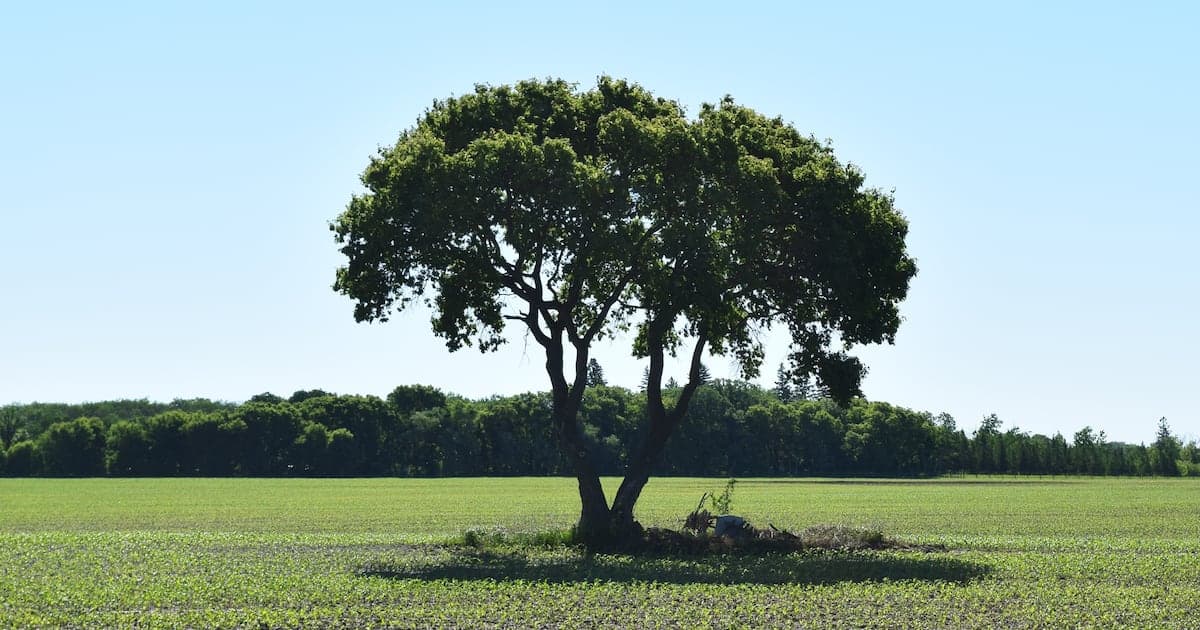
The cemeteries of Manitoba's earliest Mennonite settlers are increasingly at risk of disappearing, as many burial sites have become unmarked and are now part of cultivated farmland. These graves, dating back to the late 19th and early 20th centuries, represent some of the first European settlements in southern Manitoba. Historically, Mennonite communities established their own cemeteries, often close to villages or on farmsteads, reflecting their self-contained settlement patterns and religious traditions.
As agriculture developed and land changed hands, some of these burial grounds became detached from their original use and significance. Many early Mennonite cemeteries were never formally registered, and markers were typically made from wood or simple fieldstones, which deteriorated over time. As a result, the precise locations of numerous graves have faded from memory, and in some cases, cultivated fields now overlay these sites. Over the decades, descendants and local historians have attempted to map and document known burial grounds, but the lack of permanent records has left gaps in the historical record.
The issue has gained renewed attention as farmers discover stones or remnants thought to be grave markers while working their land. In some cases, plowing and seeding have disturbed grave sites, raising concerns about respect for the dead, historical preservation, and property rights. Mennonite leaders and local heritage groups have called for greater efforts to identify and protect remaining cemeteries. They argue that these sites are not only of religious significance but also provide a tangible link to the settlement history of Manitoba.
The Manitoba Historical Society and various Mennonite heritage organizations have undertaken surveys and interviews with local residents to try to locate and record the positions of lost or threatened cemeteries. GPS mapping and archival research have been used to reconstruct the likely locations of some burial grounds, but success is often limited by the absence of physical markers and incomplete oral histories. Some documented sites are believed to have contained as few as a handful of graves, while others may have held dozens.
Legislation in Manitoba requires that known cemeteries, regardless of their current appearance or use, be respected and not disturbed without permits. However, ambiguities remain over the definition of a cemetery and the responsibilities of current landowners, particularly when evidence is minimal or ambiguous. In some cases, landowners are unaware that their property includes a burial site. Provincial officials have stated that they respond to reports of discovered graves and advise landowners on their obligations under the law.
The issue has also prompted discussion about reconciliation with Indigenous communities, whose burial sites have faced similar pressures from agricultural and urban development. Some advocates have called for a broader review of burial site protection in Manitoba, encompassing all cultural and historical backgrounds.
The economic realities of farming add further complexity to the situation. For some landowners, setting aside land for a cemetery can mean a reduction in productive acreage. This has led to calls for compensation or tax incentives to encourage preservation, though no comprehensive program currently exists. Meanwhile, Mennonite congregations and descendants continue to hold commemorative events and install new markers where possible, seeking to maintain connections to their ancestors and to raise awareness of the sites' significance.
The fate of Manitoba's early Mennonite graves highlights the broader challenges of balancing agricultural development with the preservation of historical and cultural sites. As more of these cemeteries risk being lost to time and cultivation, stakeholders continue to debate how best to honour the past while accommodating the realities of the present.