Construction Begins on North Coast Transmission Line in British Columbia
Major energy project aims to power northwest B.C., support industrial growth, and reshape regional economic dynamics
Construction has commenced on the North Coast Transmission Line (NCTL), a major infrastructure project in northern British Columbia intended to expand electricity supply, facilitate industrial development, and alter the province's economic landscape. The project, developed by BC Hydro with support from both the federal and provincial governments, will link Prince George to Terrace on the North Coast, more than doubling the region's electricity transmission capacity.
The NCTL is designed to provide power to large-scale initiatives, including the Ksi Lisims liquefied natural gas (LNG) facility and various mining operations in the Golden Triangle near the Alaska border. The transmission line was referred to the federal Major Projects Office in November 2025 for possible fast-tracking, and construction began following an expedited approval process. The first phase of the project consists of a 165-kilometre stretch from Prince George to near Fraser Lake, with completion targeted for 2030. The second phase, extending to Terrace, is expected to be completed by winter 2032, with construction anticipated to begin in 2027.
The federal and provincial governments jointly committed $3.9 billion to the project in July 2026, with additional support from the Canada Infrastructure Bank, which provided a loan of nearly $140 million to BC Hydro to accelerate preconstruction work. At peak construction, the project will employ approximately 1,400 workers, and upon completion is projected to create 9,700 direct full-time jobs. Governments estimate the transmission line will contribute nearly $10 billion per year to British Columbia's economy and generate about $950 million annually in provincial and municipal revenue.
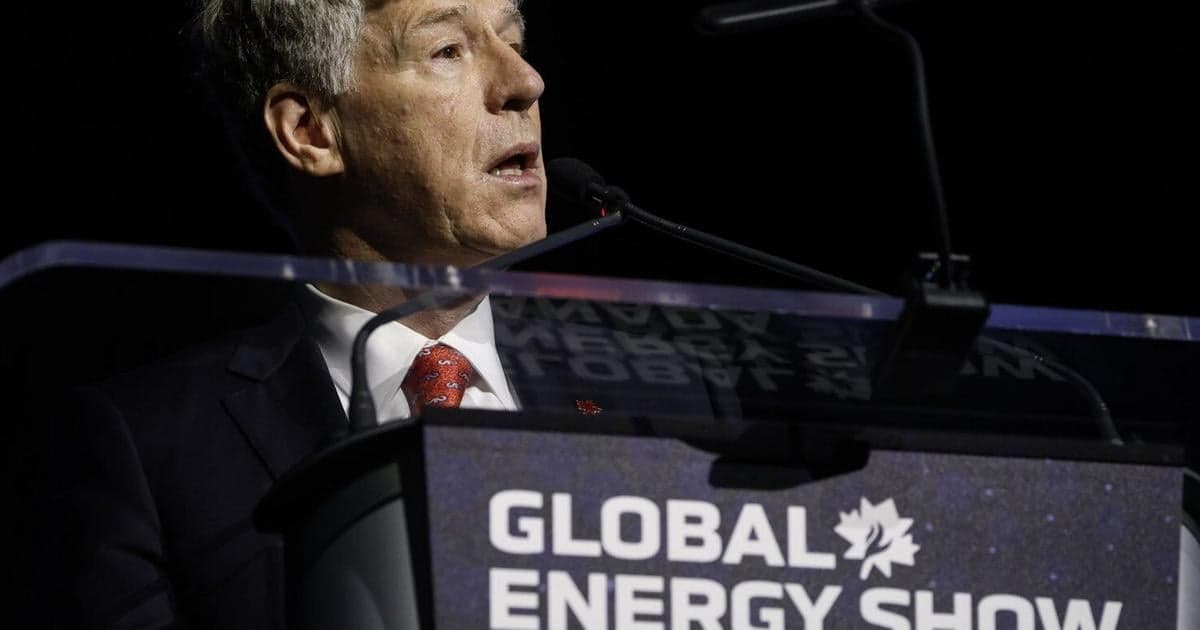
Officials at the project’s groundbreaking event in Prince George—among them Premier David Eby, federal Energy Minister Tim Hodgson, federal Infrastructure Minister Gregor Robertson, BC Hydro CEO Charlotte Mitha, and Lheidli T’enneh Chief Dolleen Logan—framed the NCTL as a generational investment in clean energy infrastructure. Premier Eby described the transmission line as a pivotal element of the province’s "Look West" strategy, which aims to diversify trading partners and reduce economic reliance on the United States. He emphasized the importance of using domestic resources to encourage prosperity and industrial diversification, especially in light of ongoing trade tensions with the U.S.
Eby highlighted that the Canadian and American power grids are deeply integrated, with regions at times importing or exporting power depending on demand. He argued that increasing domestic electricity supply for B.C.'s mines and industrial players would provide greater cost certainty and reduce reliance on imported diesel. Hodgson echoed these points, characterizing the project as an example of "Team Canada in action" and asserting that the NCTL would enable the development of B.C.'s resource sector while bolstering Canada’s sovereignty in the context of trade disputes.
Federal officials described the NCTL as “the foundation” for developing northwestern B.C.’s resources and as a means to help secure Canada's role as a trusted global supplier of critical minerals, LNG, and other industrial outputs. Robertson underscored the project’s significance for building a resilient economy and supporting community development across the province. Adrian Dix, B.C.’s Minister of Energy and Climate Solutions, stated that expanding the transmission system would reduce grid constraints, support sustainable development, and open new opportunities for trade and investment.
BC Hydro CEO Charlotte Mitha noted that the utility is prioritizing sourcing construction materials from Canada, though some specialty equipment may need to be procured from Asia. She indicated a high level of Canadian content is expected for the materials and equipment used in the project, even if it requires schedule adjustments.
The transmission line is one of 35 major projects prioritized by the province as part of its economic and infrastructure development strategy. The project is recognized by the federal government as essential infrastructure for the future of B.C.'s critical mineral sector and has national significance. The NCTL is also part of B.C.’s broader Powering Growth plan, which seeks to expand and modernize the electricity system to accommodate increasing demand from mining, LNG, ports, and emerging industries in the region.
A key aspect of the project is the inclusion of First Nations as partners. Work is ongoing to finalize co-ownership agreements with First Nations by the end of 2026, granting them a direct stake in the project's success, including economic returns, jobs, capacity building, and sustained revenue. Chief Dolleen Logan, representing the Lheidli T’enneh and other impacted First Nations, stated that the nations had issued a non-opposition letter allowing the project to proceed, pending the fulfillment of specific conditions. These conditions include maximizing local job creation and ensuring commitments for restoration and mitigation of the cumulative effects of development on traditional territories.
Logan emphasized the importance of First Nations' involvement in long-term maintenance, equity returns, and the overall benefits from the project. While describing the process as "true reconciliation," she noted that additional work remains, particularly regarding climate change mitigation and restoration agreements. Logan stated, “We must mitigate for things like climate change,” and indicated that the expectation is for a final agreement to be signed in the near future.
The NCTL is expected to facilitate the electrification of industrial operations, reducing dependence on imported diesel and potentially lowering carbon emissions associated with large projects. However, environmental groups have raised concerns about the broader climate impacts, particularly the greenhouse gas emissions resulting from increased natural gas production. CBC News calculated that the emissions from the Ksi Lisims LNG project alone could increase B.C.'s annual greenhouse gas emissions by six to eight percent.
In response to these concerns, Hodgson argued that the "low carbon" LNG industry contributes necessary government revenues, supporting services such as health care, child care, dental care, roads, and public safety. He cited the need to balance economic development and government funding with environmental objectives.
The governments involved state that the NCTL will help unlock tens of billions of dollars in private-sector investment, support the electrification of both existing and new industrial facilities, and position British Columbia as a key supplier of clean energy and critical minerals globally. The project is also intended to provide greater energy reliability, support long-term economic growth, and ensure that the province can meet the electricity needs of growing communities and industries in the north.
The NCTL’s phased approach is structured to address the growing electricity demand and to align with broader provincial and federal strategies for energy, trade, and economic development. As construction advances, ongoing dialogue with First Nations and environmental stakeholders is expected, with further agreements anticipated to address outstanding issues related to local benefits, environmental restoration, and climate impacts.