Clean-water advocates in New Brunswick look to updated river protection rules
Province reviews Clean Water Act amid growing calls for watershed-wide planning and stronger safeguards
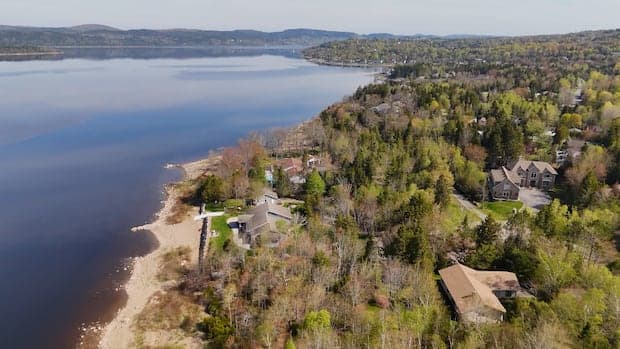
The province of New Brunswick is in the process of reviewing its Clean Water Act, a 37-year-old piece of legislation, with the intention of introducing amendments by next spring. The review comes as communities along major watercourses such as the Kennebecasis River experience rapid change due to urban, suburban, and rural development. The Kennebecasis River, which runs nearly 100 kilometres from Saint John through Sussex and into Albert County, passes through regions with a mix of industry, agriculture, and residential development.
Ben Whalen, project manager with the Kennebecasis Watershed Protection Committee, has observed significant changes in communities like Sussex and Quispamsis, noting that development is expanding municipal boundaries and encroaching upon wetlands and watercourses. Whalen highlights the need for increased oversight in these regions, pointing to potential issues from industrial effluent and runoff associated with various industries.
The provincial government recently released a report summarising feedback from public, industry, First Nations, and stakeholder engagement sessions held last fall. Among the suggestions for strengthening the Clean Water Act is the adoption of a watershed-level planning framework. Richelle Martin, a Fredericton-based environmental lawyer, advocates for this approach, arguing that it allows for a proactive consideration of all activities impacting a watershed. According to Martin, this broader planning is necessary to address challenges such as increased phosphorus runoff, which can contribute to blue-green algae blooms, and to respond to stressors exacerbated by climate change.
Martin also points out that watershed planning can inform decisions on small-scale projects, emphasising that the cumulative effect of individual developments can be significant. She cites the example of an application to clear one acre of forest along a river: while the impact of a single clearing may seem minor, if the river basin is already heavily cleared, the remaining forested area could be critical for maintaining the health of the waterway.
Attention has also focused on large-scale projects such as the proposed Sisson Mine near Fredericton, which could affect the Nashwaak River watershed. The Sisson Mine is planned as a 27-year operation to extract tungsten and molybdenum, with a 1,200-hectare project footprint and a 750-hectare tailings pond for waste storage. On June 29, approximately 120 people participated in a paddle along the Nashwaak River watershed to raise awareness about the environmental risks associated with the mine, including concerns about potential breaches of the tailings pond and resulting pollution.
Traditional Grand Chief Ron Tremblay of the Wolastoq Grand Council was among those participating in the paddle. Terry Richardson, chief of the Pabineau First Nation, has expressed the view that a strengthened Clean Water Act could improve confidence in the approval process for projects of this scale, provided that higher standards are required. Richardson emphasises the importance of considering the long-term impacts for future generations, stating that for First Nations, discussions encompass both environmental and economic considerations, with a focus on "the next seven generations."
Whalen notes that the concept of regulating development along waterways is not new in New Brunswick. More than 20 years ago, the province developed a classification system intended to help manage such development, but it was never adopted. He attributes this in part to ongoing tensions between the goals of conservation and economic development. Whalen observes that while practitioners aim to prioritise the health of waterways, there is also recognition of the need for people to protect their investments and livelihoods, making the creation of a balanced approach a challenge.
The current review of the Clean Water Act is one of two environmental legislative reviews promised by the Susan Holt government. The Clean Air Act is also under review, with amendments anticipated in the coming months. Holt's election platform included a commitment to guarantee the right to clean air and water for all residents of New Brunswick, with a pledge to update both clean air and water laws.
The province has indicated its intention to implement amendments to the Clean Water Act by next spring. The outcome of these amendments is being closely watched by advocates, industry representatives, and Indigenous communities, as the province seeks to reconcile economic growth with the protection of rivers, wetlands, and broader watershed health.