Calls for Business Tax Cuts Amid Manitoba's Declining Business Confidence
Stakeholders debate economic policy as provincial confidence slips and investment projects stall
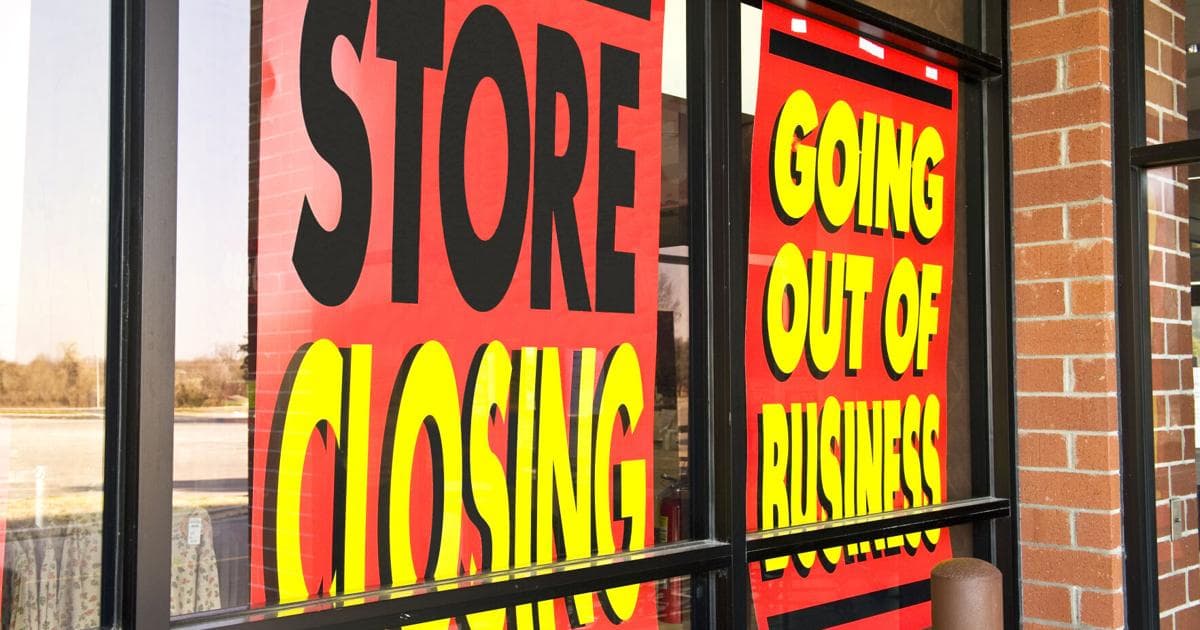
Recent discourse about Manitoba’s economic direction has highlighted a divergence between political messaging and the perspectives of local business stakeholders. While public officials including Premier Wab Kinew, former Bank of Canada Governor Mark Carney, and Winnipeg Mayor Scott Gillingham have conveyed confidence in the province’s economic trajectory, some local commentators and business representatives suggest that the situation on the ground is more uncertain.
Concerns have been raised regarding the current Manitoba government’s approach to economic development, particularly under the leadership of the New Democratic Party (NDP). Critics point to the province’s decision not to proceed with certain high-profile investment projects, including the Sio Silica extraction initiative and a proposed data centre. The discontinuation of these projects has become a focal point for some business advocates, who argue that the moves signal a lack of support for business-led growth. In contrast, neighbouring Saskatchewan has expressed interest in attracting some of these shelved initiatives, such as the data centre, positioning itself as more receptive to new investment.
The debate over business confidence has also been influenced by government policies aimed at social support and harm reduction. The Manitoba government’s support for supervised drug consumption sites, including allowances for users as young as sixteen without stringent identification checks, has been cited by some as evidence of priorities that do not directly address economic growth or business conditions. At the same time, critics note a perceived lack of action on public safety issues such as violent homeless encampments in Winnipeg.
Underlying these specific policy decisions is a broader critique that the current government is less oriented toward fostering a favourable business climate. Some voices suggest that a reluctance to approve large-scale private sector projects could be related to concerns about jeopardizing federal equalization payments, which are provided to provinces with lower fiscal capacity. According to this view, maximizing equalization transfers may be seen as incompatible with encouraging revenue-generating resource and infrastructure projects.
Amid these criticisms, advocates for the business community have called for concrete policy changes to restore confidence among Manitoba’s firms. Chief among these suggestions is a reduction in business taxes, which proponents argue would provide direct financial relief to local companies facing rising costs. The call for tax cuts is positioned as a primary lever to stimulate economic activity, reinvigorate investment, and signal a commitment to business-friendly governance.
The discussion occurs against a backdrop of broader national and societal debates. For instance, Manitoba’s approach to youth protection and social policy has been contrasted with federal initiatives such as a proposed ban on teenagers’ access to social media platforms. Observers note that these parallel discussions reflect differing priorities at various levels of government, with some provincial policies perceived as more permissive relative to federal proposals.
Other elements contributing to the economic and social landscape include the proliferation of AI-generated deepfake videos online, which have featured public figures such as Mark Carney and Donald Trump. These videos, which can appear authentic but are in fact fabricated, pose risks including scams and malware attacks, complicating the information environment for both citizens and policymakers.
Concerns about declining standards have also surfaced in areas beyond business, including military recruitment, education, and academic hiring practices. Critics have cited relaxed criteria in the Canadian Armed Forces, changes to school assessment standards, and hiring policies that emphasize identity characteristics over traditional merit-based criteria. These trends are viewed by some as indicative of a broader shift in public policy priorities, with potential implications for workforce readiness and institutional performance.
In the realm of foreign policy, Mark Carney has been noted for advocating the reopening of Canada’s embassy in Tehran. This position stands in contrast to the current federal government’s policy of keeping the embassy closed, citing Iran’s status as a state sponsor of terrorism and the lack of regime change as underlying reasons. Such debates underscore ongoing divisions about Canada’s engagement on the international stage and the intersection with domestic policy considerations.
The discussion about business confidence and tax policy in Manitoba is occurring within a complex matrix of social priorities, fiscal realities, and contrasting perspectives on the role of government in economic development. Stakeholders on different sides of the debate continue to articulate their positions, with business advocates pressing for tax reductions and more active encouragement of private sector investment, while the provincial government manages competing demands in areas ranging from social services to public safety.
The provincial government has not publicly responded in detail to the latest criticisms regarding business confidence or the specific proposals for tax relief. The balance between social support initiatives and policies designed to attract private investment remains a central point of contention in ongoing debates about Manitoba’s economic future. The outcome of these debates is likely to have lasting impacts on the province’s fiscal health, investment climate, and competitiveness relative to other jurisdictions.
In the interim, Manitoba’s business community and its critics continue to monitor government decisions and advocate for changes they view as necessary to support sustained economic growth. The interplay between tax policy, regulatory decisions, and social priorities will remain a defining feature of the province’s policy environment in the coming months.