B.C. Journalist Reflects After Sentencing of Chinese Tycoon Guo Wengui
Jail term in U.S. brings relief after years of harassment linked to international fraud case
British Columbia journalist Benson Gao, also known as Gao Bingchen, expressed a sense of relief after the sentencing of Chinese tycoon Guo Wengui to 30 years in a U.S. prison for fraud. Gao, who was targeted by followers of Guo, stated he was "overwhelmed with mixed emotions" following the court decision, noting both relief and a belief that the sentence was relatively lenient in light of the hardships experienced by his family.
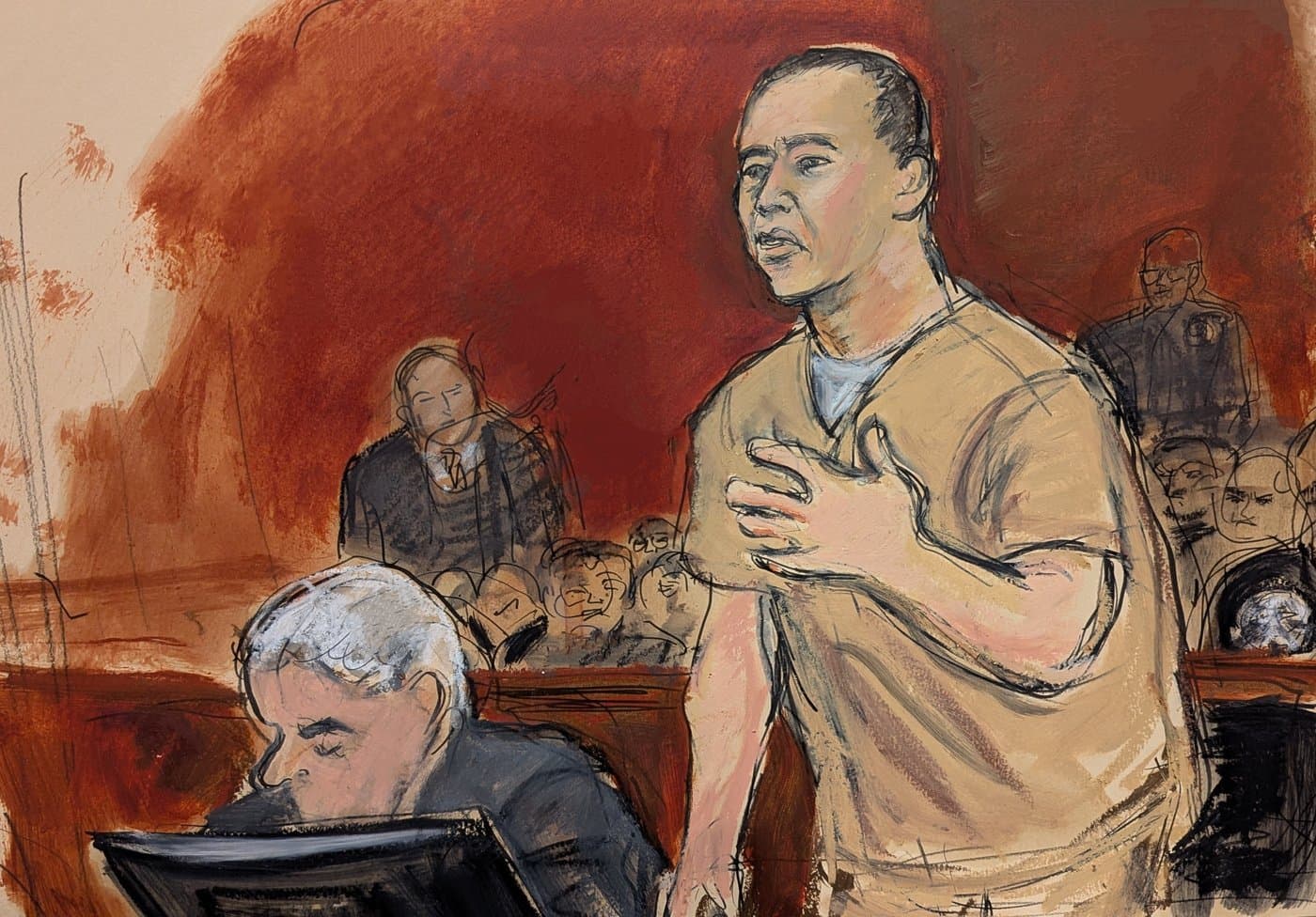
Guo Wengui, who left China approximately a decade ago and became known as a critic of the Chinese Communist Party while based in the United States, received his sentence in a Manhattan courtroom attended by many of his supporters. U.S. District Judge Analisa Torres, who presided over the proceedings, stated that Guo had "preyed on those seeking to bring democracy to China," soliciting funds from them under false pretences to support a lavish lifestyle. Judge Torres also noted that Guo had encouraged his followers to "harass and intimidate those who dare to speak out against him."
Gao had publicly criticized Guo, which led to sustained targeting by Guo's supporters. In 2020, a group of these followers conducted a protest outside Gao's residence in Surrey, B.C., which lasted 77 days and was livestreamed continuously. During this period, Gao and his family endured significant stress, which he described as "chaos." He recounted that he and his wife were subjected to ongoing slander and insults, and said the impact on their daily life and mental well-being was considerable.
The protest escalated to violence when two of Guo's supporters assaulted Gao's friend, Louis Huang. Both individuals later pleaded guilty to assault. Huang was subsequently awarded more than $156,000 in damages. Gao described Guo as the leader of a "financial cult," and said he suffered considerable personal and professional consequences for opposing him. Gao also alleged that Guo falsely accused him of being a spy for China. He reflected that exposing individuals with substantial resources can carry significant personal risk, citing threats made directly at his home.
Gao said he is grateful for his wife's support during this period and, despite the challenges, does not regret his actions. However, he indicated he would no longer pursue stories related to Guo and would shift the focus of his YouTube channel to other social issues.
During sentencing, Judge Torres indicated that Guo's fraudulent activities had affected more than 1,000 individuals globally, resulting in losses amounting to hundreds of millions of dollars. The court ordered Guo to forfeit US$889 million in restitution. The judge referenced letters from victims who described losing their life savings and experiencing significant emotional distress, including anxiety and family discord stemming from their involvement with Guo's ventures. Torres stated that Guo "takes no responsibility for his actions and instead insists incredibly his conduct caused no loss and harmed no one."
One victim, Wei Chen, testified at trial that the fraud "destroyed" her life and her family's life. The courtroom response to the sentencing included applause and vocal support from Guo's followers as he departed.
The case of Guo Wengui has drawn attention both for its cross-border implications and for the tactics employed by his supporters against critics. Guo, who initially received attention as an outspoken opponent of the Chinese government, built a following among individuals seeking democratic reforms in China. The prosecution argued that he exploited the aspirations and trust of these supporters for personal financial benefit.
The events surrounding Gao's experience illustrate the broader reach of the case, demonstrating how individuals outside the United States, including in Canada, became entangled in the fallout from Guo's activities. The protracted protest at Gao's home and the subsequent violence highlighted the capacity for transnational intimidation and harassment campaigns linked to high-profile fraud cases.
For those impacted, the sentencing marks a significant development in a case that has spanned years and involved complex interpersonal, legal, and geopolitical dynamics. Gao's decision to step back from reporting on Guo reflects the lasting repercussions for journalists and others who challenge influential figures with international reach. The financial penalties imposed by the court and the lengthy prison term signal the U.S. justice system's response to large-scale fraud and associated misconduct.
The reactions of victims and supporters in court underscore the polarization surrounding Guo's activities and the enduring loyalty of some of his followers. The case continues to resonate in communities affected by Guo's rise and subsequent legal troubles, raising questions about the protection of critics and the impact of international fraud operations on diaspora communities.