Arrest in Guinea Reignites Hopes for Justice in 2007 Quebec Murder Case
Nearly two decades after Rachelle Wrathmall's killing, major judicial developments unfold across continents
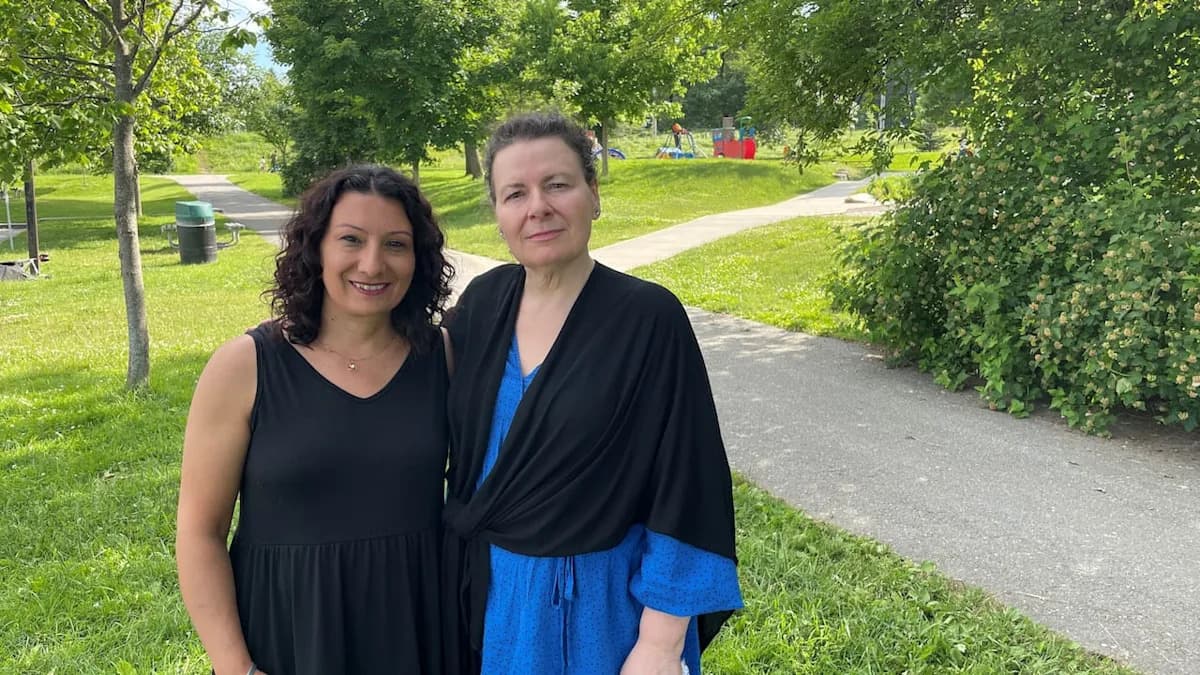
Close to 20 years after the 2007 killing of Rachelle Wrathmall in Sherbrooke, Quebec, an arrest in Guinea has marked a significant development in a case that had long remained unresolved. Rafiou Sow, Wrathmall’s husband at the time of her death, was arrested in Guinea earlier this month and is now facing murder charges in the West African nation, according to reporting by La Presse and local media outlets. The development has brought renewed hope to Wrathmall's family and friends, who have awaited progress for nearly two decades.
Wrathmall, 31, was found stabbed to death inside the Lennoxville home she shared with her father, as confirmed by the Sûreté du Québec. At the time, she had been married to Sow, a Guinean national, for close to a year. However, police indicated that Sow had been living in the United States after Immigration Canada declined to recognize his legal status. According to information posted on the Sûreté du Québec’s cold case website, Wrathmall had been sponsoring Sow for Canadian immigrant status.
Quebec provincial police had identified Sow as an important material witness in the investigation and had sought to interview him for years. Despite these efforts, Sow left Canada for Guinea the day before Wrathmall’s body was discovered. Subsequent reporting by La Presse, which included a trip to Guinea to interview Sow, revealed that he denied ever being married to a woman named Rachelle. In Guinea, Sow had become a public figure as the leader of an opposition political party.
Wrathmall’s friends Paraskevi Mazarakiotis and Chantal Morin described feeling a mixture of emotions in response to the arrest. Morin stated, “In the 19 years since the murder was committed, this is the first time there has been such significant progress on the judicial front.” Both friends recalled concerns about violence in Wrathmall’s relationship with Sow, with Mazarakiotis noting that the situation reached a point where they feared for Wrathmall’s life and had communicated those fears to her. The friends expressed hope that justice might be served, but indicated they were tempering their expectations due to the long wait and the complexities involved. “We have hope, but we don’t want to hope too much,” Mazarakiotis said.
Simon Roy, a professor of criminal law at Université de Sherbrooke, explained that although Sow has now been charged with murder in Guinea, the legal process ahead may be protracted. Under Guinean law, which is based on the French legal system, citizens who commit crimes abroad can be tried in their home country. However, Roy cautioned that practical challenges remain, including the age of the case and the need to track down witnesses and have them testify according to local rules of justice in Guinea.
Both Mazarakiotis and Morin have indicated their willingness to testify if called upon, but as of the latest reports, they have not been contacted by Guinean authorities. The Quebec provincial police stated to CBC News that they are prepared to collaborate with Guinean authorities but have not yet received any request for cooperation through Interpol, the International Criminal Police Organization.
Legal procedures concerning extradition add further complexity. Canada does not have a formal extradition treaty with Guinea. Philippe Larochelle, a lawyer, explained that for Sow to face Canadian justice, the Canadian government would need to initiate an extradition request. Roy added that countries with civil law systems, such as Guinea, generally refuse extradition except in rare circumstances, citing their capacity to prosecute their own citizens for crimes committed abroad.
Wrathmall’s friends have taken some solace in the prospect that public associations between Sow and the case may impact his reputation. Morin observed, “He’s fallen from his pedestal,” while Mazarakiotis stated, “His reputation is at stake.” Both also expressed a sense of comfort in the knowledge that Sow is now aware that Wrathmall’s loved ones have continued their pursuit of justice over the years.
The convergence of international legal jurisdictions, the elapsed time since the crime, and the absence of a formal extradition agreement illustrate the challenges inherent in prosecuting cases that cross national borders. The willingness of Canadian authorities to cooperate, the legal provisions in Guinean law, and the personal commitment of Wrathmall’s friends and family underscore the ongoing complexities and emotional weight of the case.
The arrest in Guinea represents a rare and significant development for a Canadian cold case, with potential implications for both the pursuit of justice in Quebec and the broader context of international legal cooperation. Whether the case will proceed to a trial in Guinea, or if any extradition process will be pursued, remains uncertain. For those close to Wrathmall, the renewed movement offers hope, tempered by the realities of international criminal law and the passage of time.