Annual Capelin Spawn Attracts Crowds to Newfoundland and Labrador Beaches
Hundreds gather for a seasonal event rooted in local tradition and ecology
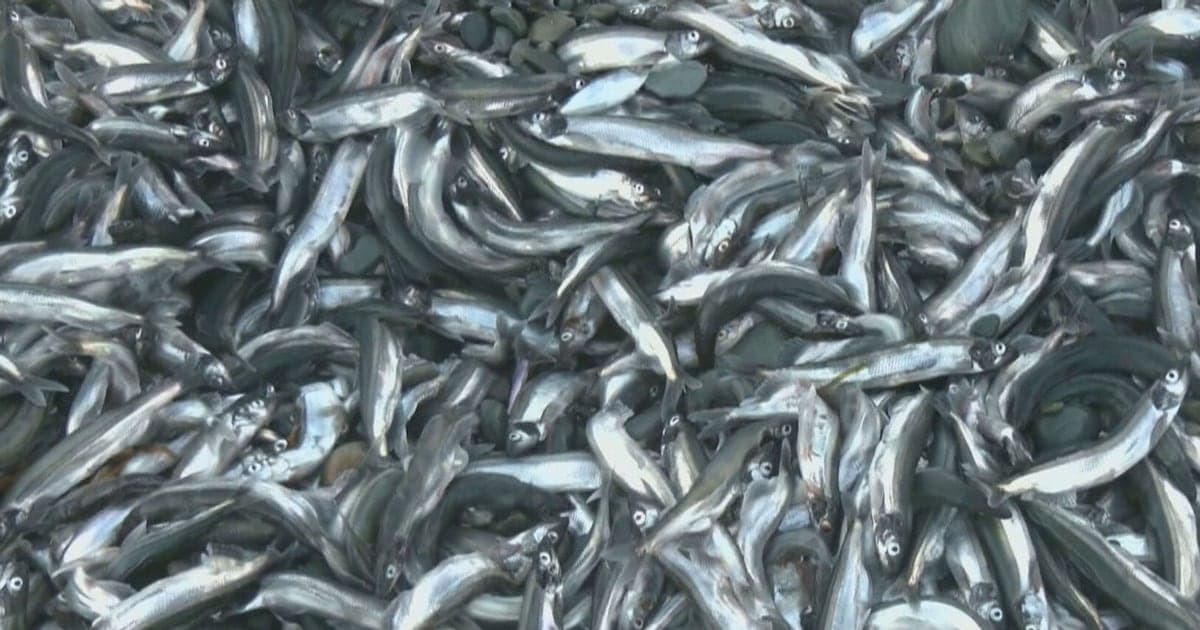
The annual capelin spawning season has drawn hundreds of observers to beaches across Newfoundland and Labrador, forming a recurring tradition that combines ecological interest and community gathering. Each year, the arrival of capelin—a small, silvery fish—marks a distinctive event for both residents and visitors as the fish come ashore to spawn.
According to reporting from CTV National News, the spectacle has become a beloved local custom, with people travelling to various beaches in the province to witness the event. The spawning typically occurs during early summer, though the precise timing can vary depending on environmental conditions such as water temperature and lunar cycles. The influx of capelin to coastal areas is closely watched by local communities, who anticipate the event as a signal of seasonal change and, for some, an opportunity for harvest.
Observers gather along the shoreline to watch as capelin roll onto the beaches in large numbers. For many, this event is an opportunity to collect capelin for food, while others attend simply to witness the natural occurrence. The tradition is noted for its communal atmosphere, with groups of families, tourists, and local residents participating in the experience.
Ecologically, the capelin spawn plays a key role in the marine food web of the North Atlantic. Capelin serve as a primary food source for various marine species, including seabirds, whales, and larger fish such as cod. The spawning event not only sustains local wildlife but also historically supported regional fisheries, though the latter have faced challenges due to population fluctuations and environmental pressures.
The gathering of observers has both cultural and economic implications for the province. The event draws tourists, contributing to local tourism revenues and supporting businesses in the hospitality sector. For longtime residents, the capelin run is associated with tradition and collective memory, reinforcing community identity and intergenerational practices.
While the annual event is viewed positively by many participants, its ecological significance also underscores ongoing concerns about marine health and sustainability. The abundance and timing of capelin spawning can be influenced by broader environmental changes, including ocean temperature shifts and habitat alterations. Monitoring the capelin run provides researchers and local communities with insights into the status of the marine ecosystem and the potential impacts of climate variability.
No major disruptions or controversies were reported in connection with this year’s capelin spawn. The event proceeded as anticipated, with large crowds assembling at popular sites along the province’s coastline. Local authorities and organizations continue to monitor both the ecological and social dimensions of the event, balancing public interest with the need for resource stewardship.
The capelin spawning season remains a focal point for Newfoundland and Labrador, reflecting both the province’s natural heritage and its enduring relationship with the ocean.