Alcohol Consumption Falls to 20-Year Low in Canada Amid Rapid Growth of Non-Alcoholic Options
Changing habits and new products drive transformation in the beverage sector
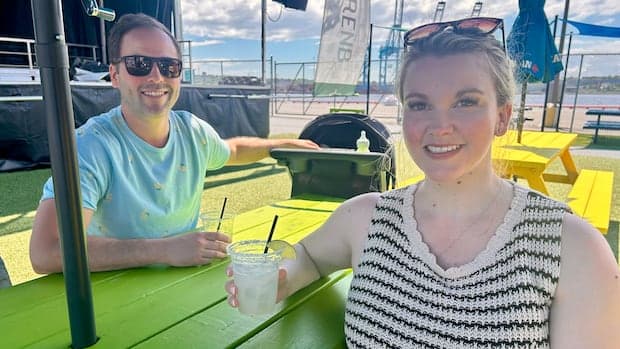
Alcohol consumption in Canada has reached its lowest point in two decades, as consumers shift towards non-alcoholic alternatives and beverage retailers adapt to evolving preferences. According to a recent Statistics Canada report, the national per capita alcohol consumption for 2024-2025 averaged 6.8 litres per person, marking the fourth consecutive year of decline. This trend is mirrored at the retail level, with provincial liquor agencies and event organizers noting substantial increases in demand for non-alcoholic beverages.
The New Brunswick Liquor Corporation (ANBL) reported $1.6 million in non-alcoholic beverage sales for the 2025-2026 fiscal year, reflecting an 82 per cent increase over the previous year. ANBL CEO Lori Stickles cited ongoing declines in beverage alcohol consumption and highlighted the corporation’s response: expanding its range of low and non-alcohol products and offering more size formats to suit varying customer needs. Over the past two years, ANBL’s non-alcoholic selection increased from three products to nearly 30 regular and rotating options.
At the local level, venues such as the Area 506 Waterfront Container Village in Saint John, New Brunswick, have observed pronounced changes in consumer behaviour. Ray Gracewood, founder of the venue, described the shift away from alcohol as the most significant disruption he has seen in the past decade. The venue, which hosts around 100 concerts and community events each summer, has recorded an estimated 400 per cent increase in non-alcoholic drink consumption over the last few years. Gracewood noted that the venue is proactively expanding its non-alcoholic offerings and anticipates that bartenders may routinely ask patrons whether they prefer their cocktails with or without alcohol within the next three to four years.
Industry participants have responded with a focus on product quality and innovation. Eric Manning, president of Barrel and Bloom and a veteran of the alcohol and cannabis sectors, has shifted his focus to the alcohol-free category. Following a province-wide tour polling consumers on taste preferences, Manning reported that customer feedback on non-alcoholic drinks has been positive, with many consumers stating that the taste closely matches traditional alcoholic beverages. He highlighted advancements in replicating the sensory experience of beer, wine, and spirits, pointing to improved flavour profiles, mouthfeel, and overall quality. Manning emphasized that the non-alcoholic category is no longer niche, noting increased investment from global companies, new product innovation, and growing consumer demand as signs of a structural shift in the market.
Academic perspectives offer historical context to the current transition. Greg Marquis, a history professor at the University of New Brunswick who specializes in the history of alcohol, drugs, and tobacco in North America, traced alcohol consumption trends from ancient times to the present. Marquis identified the late 1970s and early 1980s as a peak period for alcohol consumption, followed by fluctuations and a sustained decline from the early 2000s onward. He drew a parallel with the rapid decline in tobacco use after the 1960s, suggesting that public health messaging and changing social norms can accelerate shifts in consumption patterns. Marquis noted that alcohol has remained a persistent element of social life for thousands of years but speculated that its role may become more marginal and niche in the future, while acknowledging the unpredictability of such trends.
Consumer attitudes reflect a blend of continuity and change. Kristin Williamson, a visitor to the Container Village, described non-alcoholic drinks as a way to participate in social gatherings without feeling left out. She noted that the availability of appealing alcohol-free options makes it easier to moderate consumption during extended events. Other consumers, such as Daniela Walker, a visitor from London, England, reported that high-quality non-alcoholic options are gaining popularity internationally and serve practical needs, such as providing alternatives when driving.
The social and commercial implications of declining alcohol consumption are being felt across multiple sectors. Event organizers and retailers are adjusting their offerings, with a growing emphasis on providing inclusive beverage options that appeal to both consumers seeking to reduce alcohol intake and those abstaining entirely. As non-alcoholic products become more mainstream, participants in the industry are investing in the development and marketing of sophisticated alternatives that replicate traditional beverages in taste and experience.
The shift in consumption patterns is occurring alongside broader societal changes in attitudes towards health, wellness, and moderation. The increasing prevalence of non-alcoholic beverages at public events and retail outlets reflects demand for products that support these values. While the long-term trajectory of alcohol consumption remains uncertain, the current data point to a significant transformation in the Canadian beverage landscape.
For historians and industry observers, the present moment is notable for both the speed and magnitude of change. While alcohol is likely to remain a presence in Canadian society, its cultural and economic significance may be diminishing as new preferences and norms take hold. How this shift will affect future generations and related industries is a subject of ongoing observation and analysis.