Alberta woman sentenced to community for fatal dog attack on 11-year-old
Crystal MacDonald receives conditional sentence after dogs kill Kache Grist; judge imposes lifetime ban on dog ownership
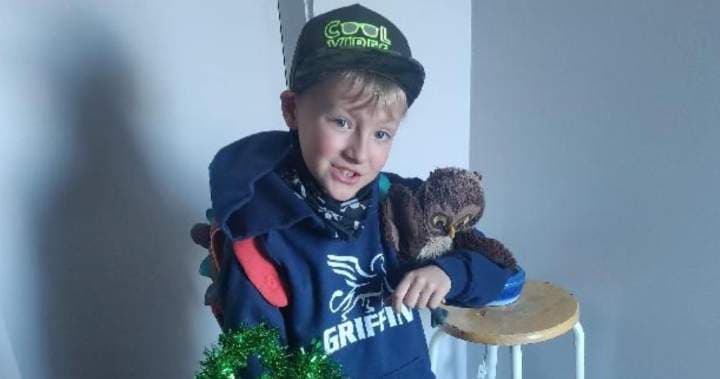
Crystal MacDonald, 46, was sentenced to a conditional sentence of two years less a day, to be served in the community, after being found guilty of criminal negligence causing death in the fatal mauling of 11-year-old Kache Grist. The sentencing was delivered by Court of King’s Bench Justice Eric Macklin on Thursday. The incident occurred in April 2024 in the Summerside neighbourhood of south Edmonton, when MacDonald's two cane corso dogs attacked and killed Kache Grist, her roommate’s son, while he was staying at her residence.
The court heard that Kache Grist, who typically lived in British Columbia with his mother, was in Edmonton visiting his father for spring break. On the day of the incident, Kache’s father, Wesley Grist, was in the garage cleaning up tools, having allowed his son to go inside to play a new video game. Approximately 45 minutes later, Grist found his son lying unresponsive in a pool of blood on the kitchen floor, with the two dogs surrounding him. An autopsy determined that the cause of death was bite injuries to the neck. The two dogs were euthanized following the incident.
During the trial, MacDonald testified that she had repeatedly advised Wesley Grist not to leave the boy alone with her dogs, expressing opposition to Kache staying at her home. She stated that she had attempted to place the dogs in a boarding kennel but was unable to do so because the animals lacked required vaccinations. The court was told that prior to Kache's death, the dogs had killed two other pets and injured three adults, including MacDonald herself.
Justice Macklin found that simply warning Kache’s father about the dogs was insufficient. In his sentencing remarks, he stated, “A sentence served in the community still denounces the crime of criminal negligence causing death and, more specifically, keeping dangerous animals and failing to properly ensure the protection and safety of others, especially children.” Macklin emphasized that there were multiple additional precautions MacDonald could have taken, such as keeping the dogs leashed or chained in the backyard, locking them in their kennels, or arranging alternative accommodation for Kache. He also observed that MacDonald was evasive and defensive during her testimony, noting, “She consistently attempted to either cast blame elsewhere and minimize her own responsibilities.”
The Crown prosecutor sought a sentence of five years in prison for MacDonald, along with a lifetime ban on dog ownership. Defence counsel requested a conditional sentence of two years less a day, to be served in the community. Macklin ultimately sided with the defence's proposal, imposing the conditional sentence and allowing MacDonald to serve it in Penticton, British Columbia, where she has been residing with her mother. The judge also imposed a lifetime ban on dog ownership, although MacDonald will be permitted to apply for a review of this prohibition after ten years.
In victim impact statements provided to the court, Wesley Grist described the emotional toll of his son's death, stating that MacDonald loved Kache and should not be incarcerated. He expressed that both he and MacDonald will have to bear the burden of the loss. Grist participated in court proceedings by video from the Yukon, acknowledging the legal responsibilities and sentencing considerations of the court.
MacDonald addressed the court during her sentencing hearing, expressing ongoing remorse and the enduring weight of the tragedy, stating, “There is no sentence that this court could impose on me that could make me feel the weight of this loss more than I already do.”
The case has drawn attention to the responsibilities of dog owners, particularly when animals have a history of aggression. The judge’s decision to impose a community-based sentence rather than incarceration was based on several factors, including MacDonald’s awareness of the consequences of her actions, the absence of indications that she would pose a future risk, and the legal principles governing sentencing for criminal negligence causing death.
The sentence includes conditions that restrict MacDonald’s freedom but permit her to remain in the community. The case also resulted in a permanent restriction on her ability to own dogs, subject to review after a decade. The proceedings highlighted the complexities that arise when assessing criminal liability in cases involving animal attacks, especially where prior warnings and incidents have occurred.
The outcome reflects the court’s balancing of denunciation and deterrence with recognition of the emotional consequences for all parties involved. The case underscores the legal and practical implications for pet owners whose animals cause harm, as well as the ongoing impact on families affected by fatal incidents.