Alberta Postpones Update on West Coast Oil Pipeline Project
Premier Smith delays announcement as political, environmental, and regional dynamics shape the future of a million-barrel-a-day pipeline
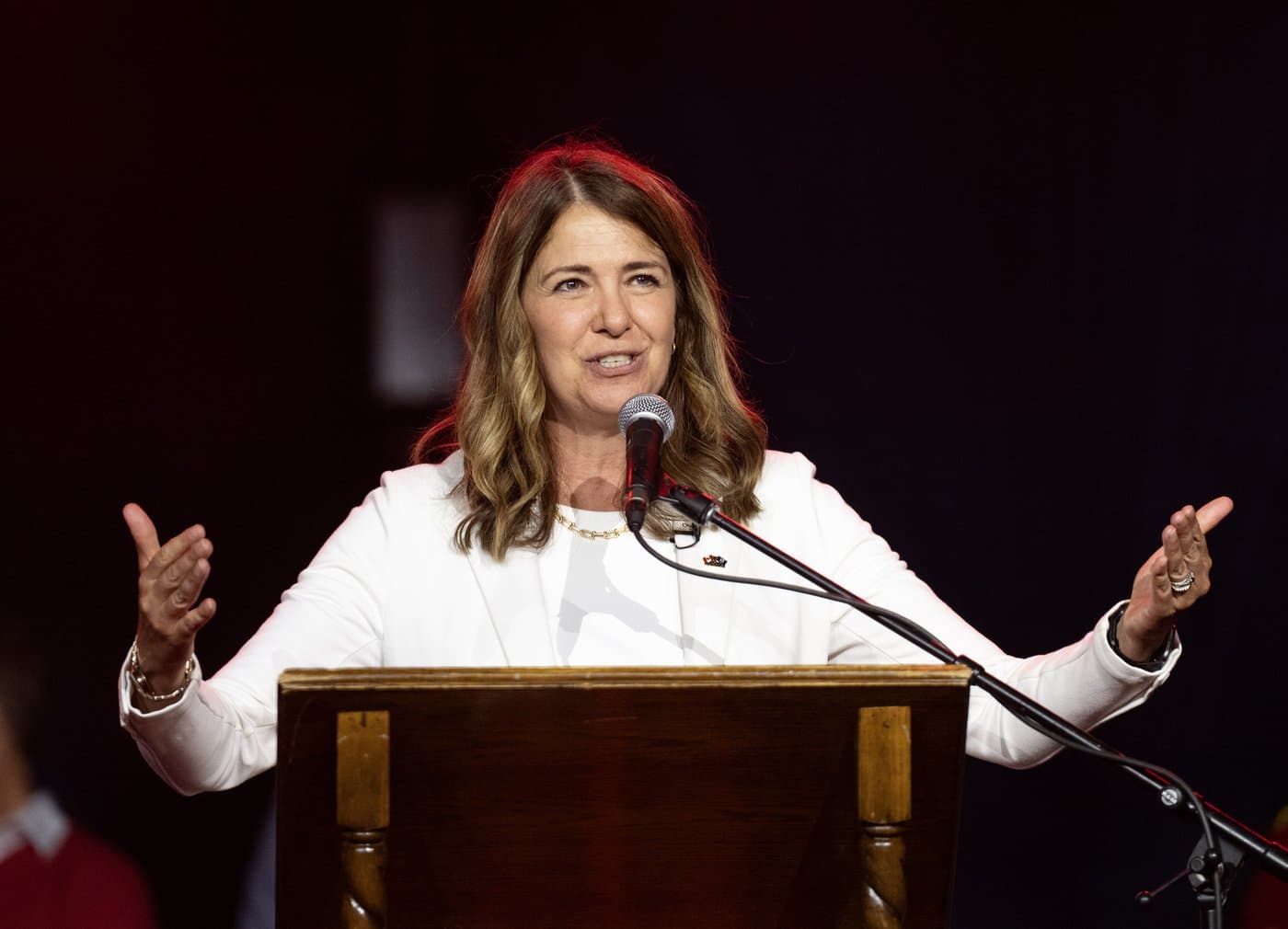
The Alberta government has postponed a scheduled update regarding its proposed oil pipeline to the West Coast, a project designed to transport up to one million barrels of bitumen per day. Premier Danielle Smith had arranged a news conference for the morning but delayed it until later in the day. No reason for the postponement was provided at the time of the announcement.
The pipeline initiative is grounded in a memorandum of understanding signed last fall between Premier Smith and Prime Minister Mark Carney. The agreement commits both the provincial and federal governments to facilitate the construction of a pipeline intended to carry Alberta oil to the Pacific coast. The project is linked to the development of a significant carbon capture network, an undertaking involving the province’s largest oil producers. These companies have indicated that they do not believe they should bear the full multi-billion dollar cost of the carbon capture infrastructure, suggesting the need for broader financial participation.
Prime Minister Carney is scheduled to be in Vancouver on the day of the postponed announcement, where he will meet with British Columbia Premier David Eby. The government of British Columbia remains opposed to the construction of a West Coast oil pipeline, a position it has maintained consistently. This stance introduces an interprovincial dynamic that could influence the project's prospects, as the involvement and consent of British Columbia are considered pivotal for any pipeline traversing its territory.
The Alberta pipeline proposal arrives at a time of heightened political activity within the province. Alberta is preparing for a referendum in the fall on the question of separating from Canada. Premier Smith has argued that the memorandum of understanding with Ottawa demonstrates that Confederation can function to address Alberta’s interests. However, advocates of separation maintain that such agreements cannot resolve longstanding grievances between Alberta and the federal government.
The pipeline’s linkage with carbon capture efforts is central to its framing. Alberta’s leading oil producers have made progress on a carbon capture network, but their insistence on not solely financing the multi-billion dollar project underscores the scale and complexity of the undertaking. The carbon capture component is positioned as a response to environmental concerns and as a means of securing broader political and regulatory support for the pipeline itself.
The federal government, represented by Prime Minister Carney, is a signatory to the agreement and is expected to play a role in both facilitating regulatory approvals and potentially supporting financing arrangements for the carbon capture system. The presence of Carney in Vancouver for meetings with Premier Eby suggests ongoing federal engagement with provincial stakeholders, particularly those opposed to the project.
Political observers have noted that Premier Smith’s handling of the pipeline announcement is viewed as significant for her government’s broader policy agenda. CTV News political commentator Tom Mulcair commented on the necessity for Smith to "keep the plan alive," referring to the ongoing political imperative to demonstrate progress on major resource projects in the province. The postponement of the announcement has led to speculation about the underlying negotiations and the challenges posed by both intergovernmental relations and the province’s internal political climate.
The government of British Columbia’s opposition to the pipeline is rooted in environmental and jurisdictional concerns. Past discussions on similar projects have involved prolonged regulatory assessments, legal challenges, and public protests, reflecting the complexity of building energy infrastructure that crosses multiple jurisdictions within Canada.
The memorandum of understanding signed last fall does not represent a finalized agreement on the pipeline’s construction, but rather a commitment to pursue the necessary steps toward its realization, contingent on progress in related areas such as carbon capture. The interconnections between environmental policy, financial arrangements, and regulatory approvals remain central to the project’s viability.
The planned Alberta referendum on separation adds an additional layer of uncertainty. While Premier Smith has framed the pipeline agreement as evidence of Canada’s ability to accommodate Alberta’s interests within the federation, separatist advocates continue to argue that such measures are insufficient to resolve deeper issues related to provincial autonomy, resource revenue sharing, and federal-provincial relations.
The oil pipeline proposal is part of a broader context in which Alberta seeks to diversify its export options and reduce reliance on existing pipeline corridors, some of which have faced capacity constraints and regulatory delays. Access to the West Coast is viewed by proponents as a means of reaching international markets, potentially securing higher prices for Alberta crude.
The postponement of the update has deferred clarity on the project’s timeline and next steps. Stakeholders, including oil producers, provincial governments, environmental groups, and Indigenous communities, will be monitoring developments as negotiations and consultations continue. The interplay of economic, environmental, and political factors is expected to shape the project’s trajectory in the coming months.